Chat to a Andean Road Peru
Enjoying the best peruvian soft drinks allows us to delve into a fascinating journey of authentic flavors that reflect the immense cultural and geographical diversity of our national territory. Each of these traditional preparations keeps a close relationship with household customs, serving as the ideal accompaniment to mitigate high temperatures and highlight the complex nuances of our gastronomy. The use of native ingredients and preparation techniques inherited for generations turns these drinks into genuine standards of local identity that conquer palates on a daily basis.
The great acceptance of these natural alternatives in everyday life shows that the liquid tradition of our nation is as rich and varied as its most emblematic dishes. Throughout the different regions of the country, families have known how to take advantage of the benefits of local fruits, herbs, and grains to create truly comforting and refreshing options. Understanding the origin and particular characteristics of these delicacies gives us a much broader perspective on how the table is lived and enjoyed in every corner of Peru.
You my also like: 7 Famous Dishes from Peru
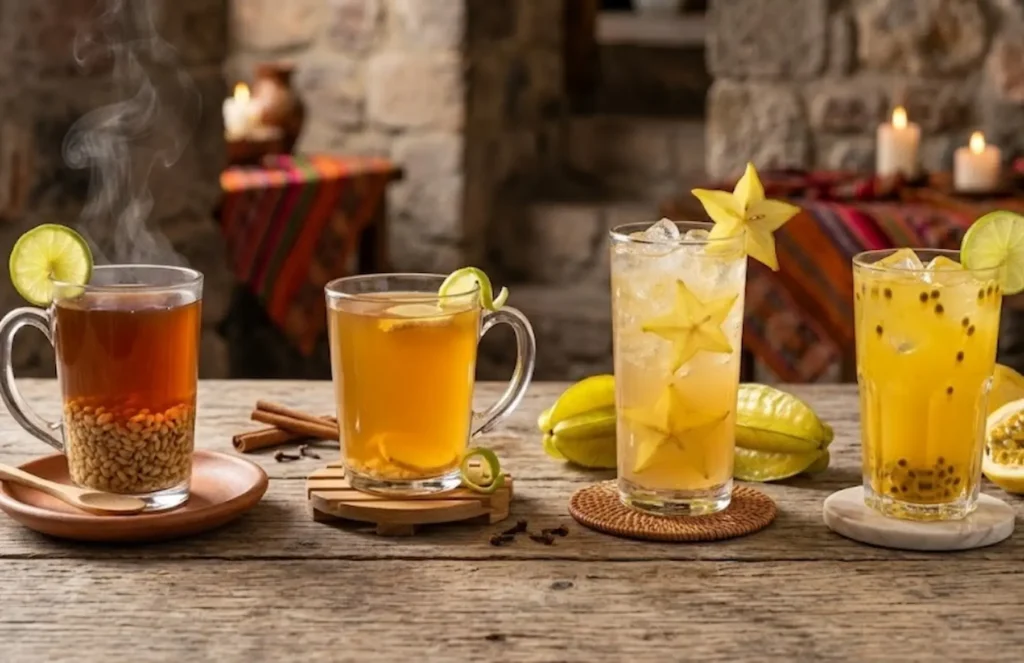
This is the selection of traditional liquids that form part of the daily life of citizens in all regions of the country. Knowing their evolution allows us to understand how consumption habits were transformed from pre-Hispanic times to the present day.
Since colonial and pre-Hispanic times, homes across the country have maintained a close relationship with fluid recipes that mitigate thirst and complement the daily nutrition of the population. Regional kitchens are characterized by housing pots and inputs destined exclusively for the production of liquids that accompany the most representative stews of each locality. The custom of sharing these homemade alternatives has allowed infusion and light fermentation techniques to remain valid despite the passage of time and modernity.
The presence of a good liquid accompaniment is an indispensable requirement in picanterías, chicherías, and contemporary restaurants that seek to preserve the essence of indigenous culinary. These formative spaces and spaces of cultural diffusion demonstrate that peruvian soft drinks possess a leading role in the sensory experience of any diner who wishes to connect with Andean, coastal, and Amazonian customs. The combination of natural sugars, aromatic spices, and fresh fruits generates a perfect balance that cleanses the palate and enhances the flavors of main dishes.
The biodiversity of the national soil is the fundamental pillar that sustains the variety of recipes that today form part of the gastronomic pride of families. Tropical fruits from the eastern slope, grains cultivated in the sacred valleys, and medicinal herbs from the Andean heights are used to the maximum in each preparation. This close bond with the land not only guarantees freshness and authenticity in the aromatic profile of each option, but also provides a valuable content of essential nutrients.
For international travelers who decide to explore the wonderful attractions of our country, tasting these liquid delights represents a cultural immersion as deep as hiring services with a reliable local tour operator. The opportunity to savor the fruits of the Andes and the jungle in a single glass helps to understand the complexity of the ecosystems that make up our national territory. Each sip of these peruvian soft drinks tells a story of adaptation and respect for agricultural cycles that local communities have guarded with zeal over the centuries.
The selection of the best liquid alternatives in the country stands out for its versatility, intense colors, and the ability to adapt to the diverse climates and ecological floors of our national geography. Next, we review the main characteristics of the options most loved and requested by diners from all regions.
You my also like: The Society of the Inca Empire
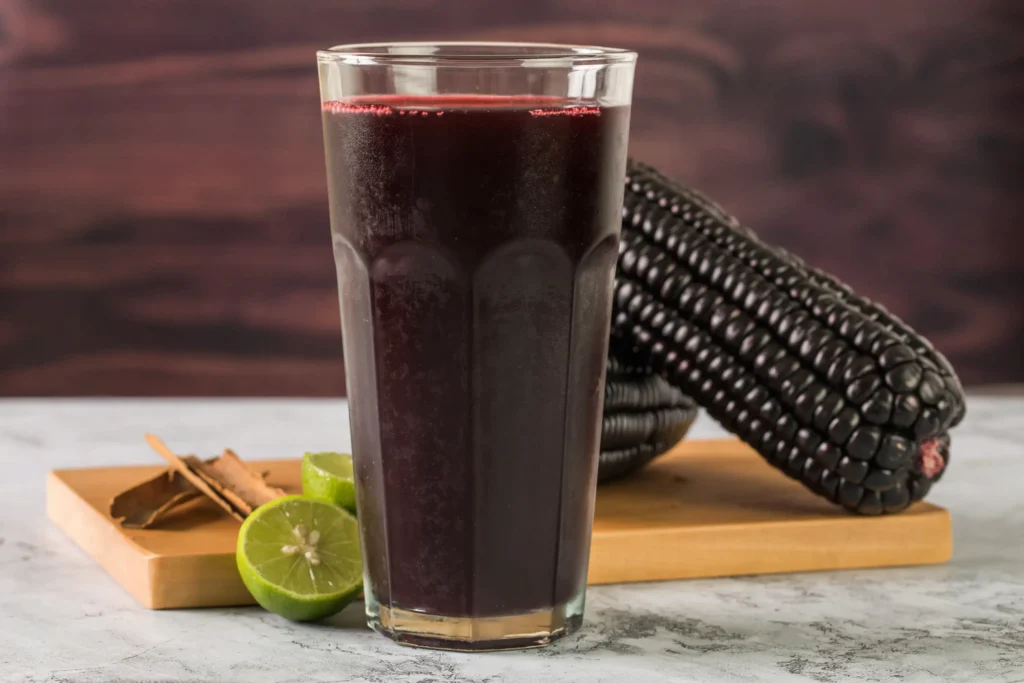
This emblematic drink has its deepest roots in the Peruvian Andean region, although its consumption and popularity have historically consolidated on the central coast of the country since pre-Hispanic times. It is characterized by its intense and elegant purplish color, which is obtained after boiling the grains of purple corn along with pineapple, apple, and quince peels, and an aromatic touch of cinnamon and cloves. Its flavor is deliciously balanced, combining sweet and slightly acid notes thanks to the indispensable addition of fresh lemon juice drops before serving it very cold.
On family tables throughout the national territory, this beverage is the indisputable companion of flagship dishes of marine and Creole gastronomy like cebiche, lomo saltado, and anticuchos. The natural acidity of this liquid contrasts in an extraordinary way with the spiciness of rocoto and the intense seasoning of dressings based on ají panca. Thanks to its enormous versatility and freshness, diners in our country enjoy traditional peruvian soft drinks at any time of the year, turning this purple nectar into a true culinary symbol.
Coming from the lush and místicas extensions of the Peruvian Amazon plain, this liquid option stands out as one of the most exotic and revitalizing alternatives of our traditional gastronomic catalog. The cocona fruit possesses a golden skin and a dense pulp which, when blended or cooked with a touch of sugar, results in an ocre light liquid that is very striking. Its flavor profile is markedly citric, refreshing, and with a sutil tropical aroma that immediately evokes the exuberance of the eastern forests of our country.
This jungle delight is the perfect marriage for the most representative Amazonian dishes of the region, standing out in a special way when served next to a tasty juane of rice or a plate of tacacho with cecina. The acidity of the fruit cuts in a masterful way the natural fat of smoked meats, balancing the palate in a highly harmonious and pleasant manner. Those who visit the warm cities of the Amazon find in this preparation an inexhaustible source of hydration that rescues the value of the purest and most natural peruvian soft drinks.
You my also like: Corpus Christi in Cusco 2026: everything you need to know
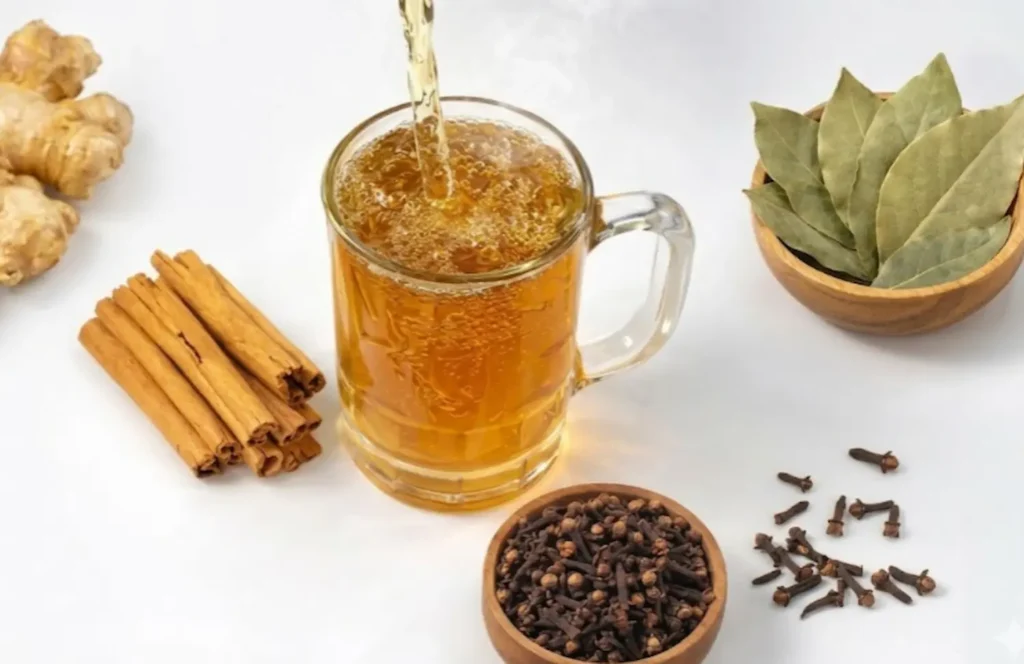
This traditional prepared liquid has a strong presence in the area of the central highlands and the inter-Andean valleys of the country, where it is habitually consumed to accompany midday meals. The process consists of carefully toasting barley grains until they acquire a dark golden tone, to then boil them in abundant water along with local aromatic plants like horsetail. Its flavor possesses a very smooth toasted character, with notes that subtly remind of nuts and a light body that results in being highly comforting for the organism.
Popular custom dictates that this liquid is the perfect ally of contunder Creole meals and Andean stews like patasca, seco de cordero, or a traditional picante de cuy. Its noble and light nature helps to balance heavy digestions, providing a feeling of well-being that families value enormously during their daily lunches. The popularity of this toasted grain shows that peruvian soft drinks do not only seek to mitigate thirst, but also to provide beneficial properties that improve the quality of daily nutrition.
This mystical and complex liquid infusion has its origin and greatest center of diffusion in the streets of the capital and urban areas of the Peruvian coast, being traditionally consumed at dawn or during cold nights. It is prepared from a boiled base of toasted barley to which various medicinal herbs are added, such as flaxseed, alfalfa, plantain, and the audacious horsetail herb. Its texture is singularly viscous due to the cooked flaxseed seeds, offering a herbal, sweet, and slightly bitter flavor that is personalized with abundant fresh lemon juice.
It is accustomed to be consumed independently as a reconstituting tonic or next to popular breakfasts composed of chicharrón sándwiches, tamales, and pan with sweet potato in the street stalls of cities. The warmth and digestive properties of this traditional potion demonstrate the immense versatility that peruvian soft drinks possess to adapt to different times of the day and body needs. This drink represents a beautiful urban custom that unites workers, students, and families around a steaming cart filled with tradition and health.
You my also like: Souvenirs from Peru: suthentic keepsakes from the Andes
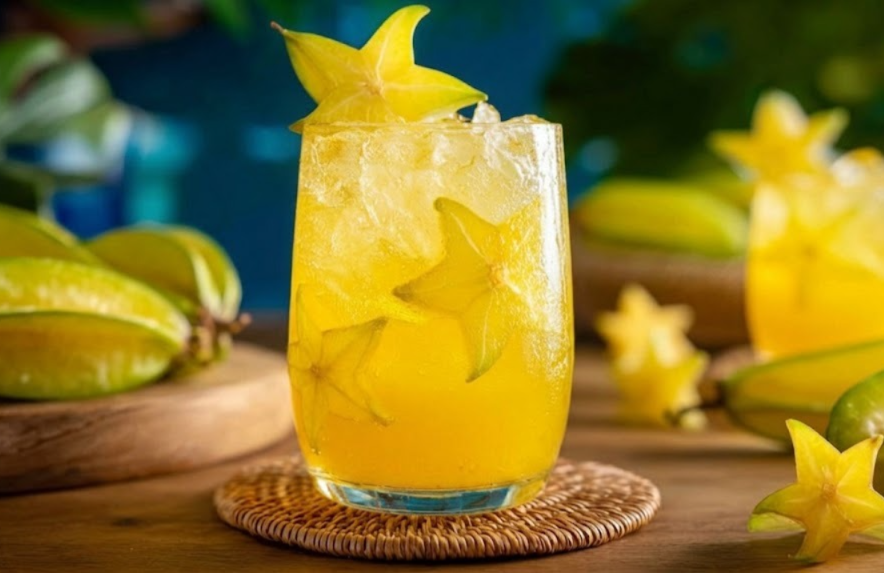
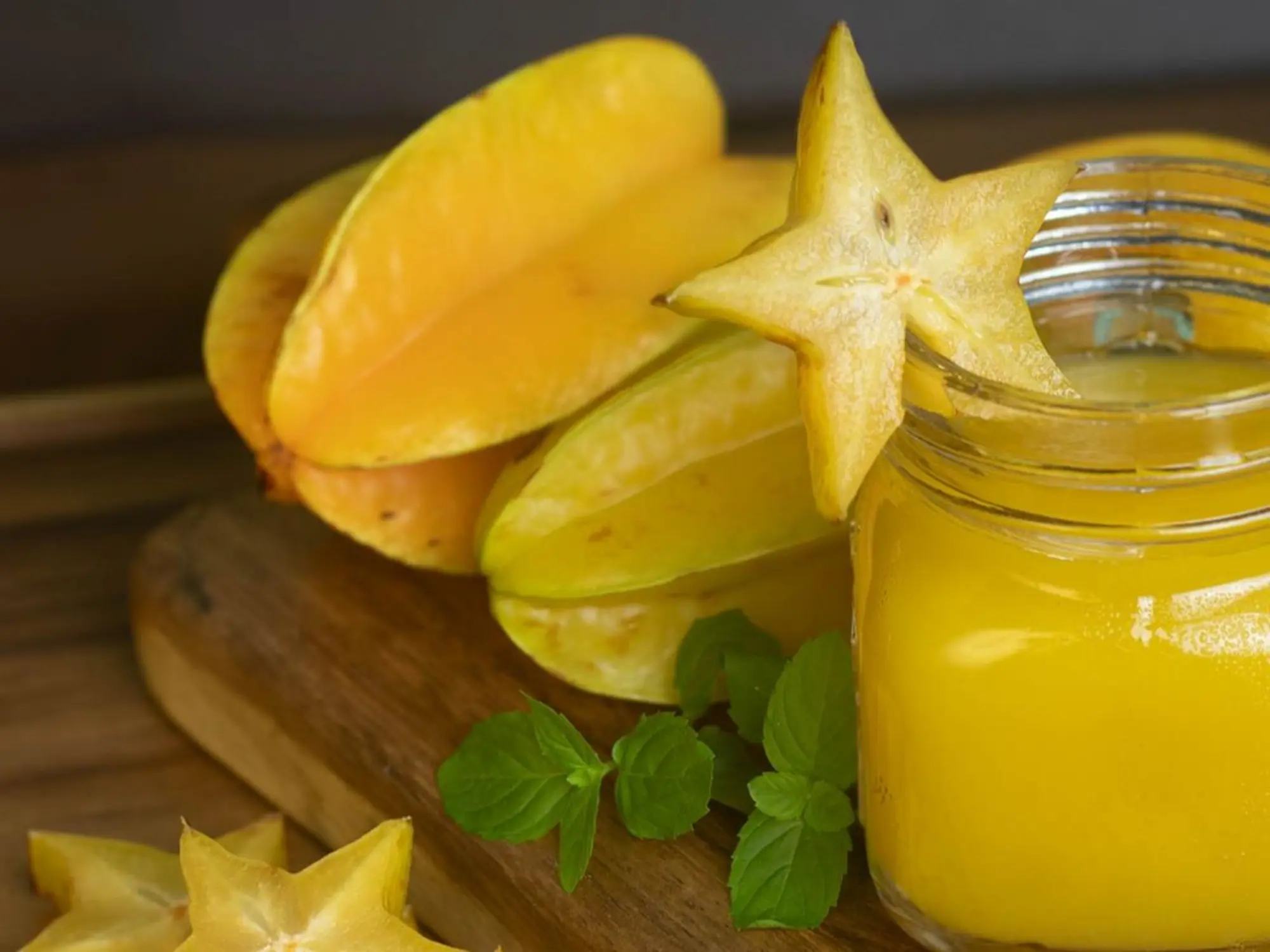
Originating from the fruit-producing valleys of the high jungle and northern regions of the national territory, this prepared liquid is made from the famous and showy fruit with the shape of a five-pointed star. The pulp of the carambola is completely blended with Andean water and sugar, generating a drink of a very attractive bright yellow color that captures the attention of diners immediately. Its flavor is intensely bittersweet, fresh, and with a sharp acidity that results in being ideal for combating days of intense heat in coastal and tropical areas.
This fruit option is served in a habitual way next to fresh marine dishes like tiraditos, black clam cebiche, and the diverse seafood rice dishes from the regions of the north of the country. The citric nuances of the fruit enhance the freshness of products extracted from the sea, creating a highly balanced and pleasant gastronomic experience for the palate of diners. The growing presence of this starry fruit in homes ratifies the richness of peruvian soft drinks based on agricultural resources that flourish in an abundant way in our fields.
This legendary and historic fermented drink comes directly from the millenary tradition of the Andean region, consolidating itself as a sacred and ceremonial element throughout the entire empire of the Incas. For travelers who journey through the impressive valleys of the southern Andes and decide to reserve the traditional tours in Cusco, discovering local chicherías represents a truly unforgettable cultural experience. Its preparation is based on the fermentation of malted corn, known locally as jora, giving rise to a sand-colored liquid with a markedly sour, earthy flavor and a light natural alcoholic level.
In the current culinary field, this preparation is the backbone that accompanies and seasons monumental dishes of the Peruvian south like adobo cusqueño, pachamanca, and picante de quinua. The acidity of this corn nectar softens meats and provides an aromatic depth that is highly valued by traditional cooks of the Andean regions. Enjoying this ancestral potion reminds us that ancient peruvian soft drinks possessed a ritual character that managed to connect in a mystical way human beings with the divinities of the mountains.
You my also like: Traditional Peru dances: a cultural guide
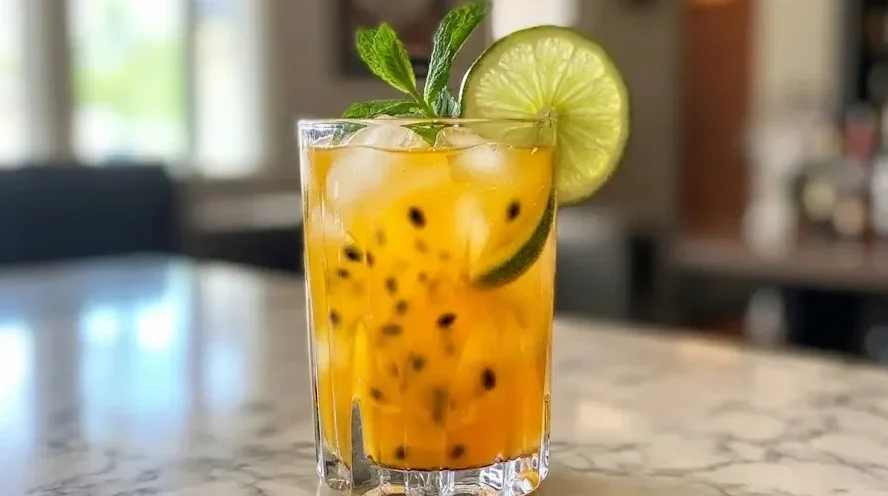
This delicious and vibrant liquid option has its origin in the rich lands of the northern coast and tropical zones of our country, where passion fruit grows with a truly exceptional quality. Its preparation consists of extracting the aromatic pulp full of seeds, blending it subtly, and straining it to obtain a concentrate of an intense yellow color and a highly penetrating aroma. Its flavor profile stands out for a highly marked acidity, which is balanced with sugar to generate a refreshing sensation that stimulates the appetite of diners immediately.
On the tables of homes and Creole restaurants, this preparation is the ideal companion for meals with high fat content or potent seasonings like rice with chicken, carapulcra, and cabrito a la norteña. The strong citric character of the fruit cleanses the palate efficiently between each bite, allowing one to enjoy the complexity of Peruvian condiments without saturating the taste buds. The massive acceptance of this tropical fruit consolidates the position of peruvian soft drinks as indispensable tools to achieve a perfect pairing with the heaviest dishes of our gastronomy.
Recent research in the fields of nutrition and traditional medicine has brought to light the immense biological value possessed by the ingredients used in these popular recipes of the country. Scientists have determined that these artisanal preparations provide much more than a simple feeling of freshness to consumers.
Health experts discovered that regular consumption of these alternatives prepared at home contributes in a significant way to general well-being and the prevention of various chronic ailments. To better understand the positive impact of these audacious nectars, we recommend you take into account the following properties identified by specialists in the field:
When analyzing the benefits of these resources of the earth, it becomes clear that ancient pre-Columbian societies possessed an advanced knowledge about the use of plants and foods as preventive medicine. Integrating these options into our daily diet allows us to stay hydrated while taking advantage of the benefits that Andean and Amazonian nature generously offers through the homemade recipes of our homeland.
For adventure enthusiasts who plan their vacation itineraries and decide to acquire the coveted Machu Picchu Tours in specialized agencies, staying well hydrated with these peruvian soft drinks results in being fundamental to counteract the effects of altitude. The natural sugars and mineral salts present in corn and native fruits act as organic energizers that optimize physical resistance during long walks. This combination of nutritional benefits and freshness turns local drinks into indispensable allies for any visitor who wishes to explore the national geography with total vitality.
The correct selection of fresh ingredients in traditional markets guarantees that the medicinal properties of plants and fruits transfer in an intact way to the glass of the final consumer. Avoiding the excessive use of processed sugars and opting for these peruvian soft drinks made with natural sweeteners like honey or chancaca allows for conserving the healthy character of these historic preparations of Peruvian soil. Respect for original recipes is the key to ensuring that future generations continue enjoying the food and cultural value of these liquid jewels of our national identity.
The fascinating journey through the recipes and ingredients of the most outstanding peruvian soft drinks shows us that the liquid tradition of our country is a fundamental pillar of our cultural richness and gastronomy. The ability to combine in a harmonious way Andean mysticism, coastal freshness, and Amazonian exuberance in a single glass is a testimony to the ingenuity and heritage of our peoples.
The true value of these homemade preparations resides in their authenticity and their deep bond with daily life and household identity across all regions. Preserving these traditional peruvian soft drinks against industrial alternatives is a major challenge, making it essential to promote homemade preparation and educate consumers on the medicinal properties of native ingredients to safeguard this food heritage.
Furthermore, revaluing these beverages in haute cuisine helps peruvian soft drinks gain global recognition as indispensable elements of our culinary culture. Finally, ensuring the intergenerational transmission of secret family recipes guarantees that the magic of each infusion is not lost over time, consolidating them as an imperishable legacy of freshness, health, and peruvian identity.
Leave a comment