Chat to a Andean Road Peru
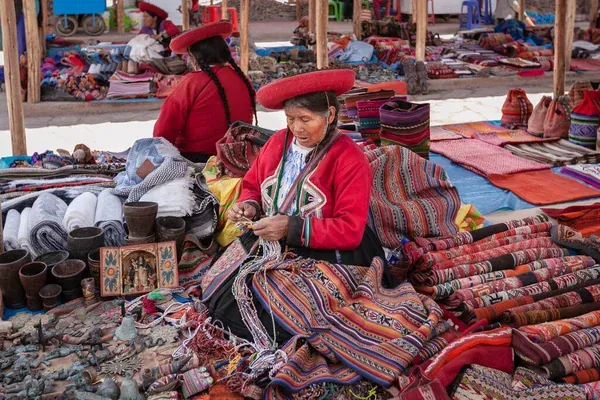
Peru offers a wide range of unique and meaningful souvenirs that reflect its rich cultural heritage and artisanal traditions. From colorful textiles and alpaca wool products to handcrafted ceramics and silver jewelry, each item represents the creativity and history of its people. Taking home souvenirs from Peru is a way to preserve memories of your trip while supporting local artisans and keeping a piece of the Andes with you.
Peru offers a wide variety of souvenirs that reflect its rich cultural heritage and artisanal traditions. Among the most popular items are colorful alpaca wool products, such as sweaters, scarves, and blankets. These are known for their softness and warmth. Handwoven textiles are also highly sought after. They feature traditional Andean patterns that represent local identity and history.
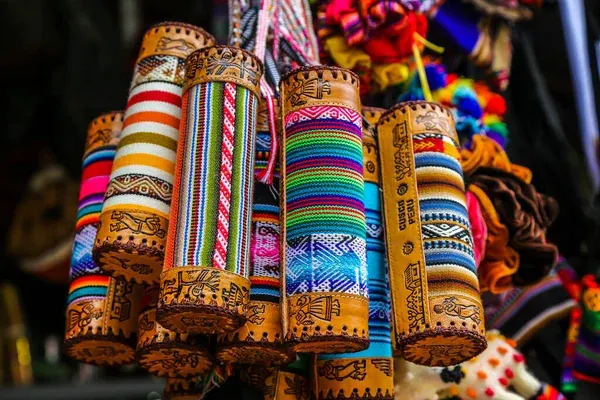
Handcrafted ceramics are another common souvenir. They showcase ancient Inca and pre-Inca designs with symbolic and decorative elements. In addition, silver jewelry inspired by indigenous motifs is widely available across markets and artisan shops. Musical instruments like pan flutes are also popular choices. They allow travelers to take home an authentic piece of Peruvian culture.
You my also like: Traditional Peru dances: a cultural guide
Peru is internationally recognized for its rich artisan heritage, where craftsmanship is deeply connected to history, identity, and local traditions. Many of these crafts are still made using ancestral techniques, especially in Andean and rural communities.
Handwoven textiles are one of the most important cultural expressions in Peru. They are traditionally made on backstrap or pedal looms. Natural dyes are often used, extracted from plants, minerals, and even insects like cochineal. Each region has its own patterns and symbols. These designs can represent mountains, animals, fertility, or spiritual beliefs.
These textiles are commonly used to create ponchos, blankets, table runners, and scarves. They are highly valued for both their artistic and cultural significance.
Peruvian pottery has roots in ancient civilizations such as the Inca, Nazca, and Moche cultures. Artisans continue to use clay and hand-modeling techniques passed down through generations. Many pieces are decorated with symbolic figures, geometric patterns, and scenes from daily life or mythology. Some regions still use traditional firing methods in open pits or wood-fired kilns, giving each piece a unique finish. Pottery is often used for decorative purposes, but also reflects Peru’s deep archaeological legacy.
Mates burilados are dried gourds carefully carved with intricate designs using fine tools. This art form is especially common in the central highlands of Peru. The carvings often depict rural life, agricultural activities, religious celebrations, and historical events. Some pieces take weeks or even months to complete due to the level of detail involved. Each gourd is unique and serves as both a decorative object and a visual storytelling medium of Andean culture.
Alpaca wool is one of Peru’s most famous natural resources, known for being soft, warm, and lightweight. Artisans transform this fiber into high-quality clothing such as sweaters, scarves, gloves, hats, and ponchos. There are different grades of alpaca wool, with baby alpaca being the finest and most luxurious. Many communities in the Andes rely on alpaca herding and textile production as a primary source of income, making these products both sustainable and culturally significant.
Hand-painted wooden crafts are widely produced in various regions of Peru, especially in the Andes. These items include decorative boxes, masks, figurines, and ornaments, often painted with bright colors and traditional motifs. The designs may depict festivals, animals, or everyday rural scenes. Artisans use natural pigments and fine brushes to achieve detailed patterns, making each piece a reflection of local creativity and cultural storytelling.
Finding authentic souvenirs in Peru is an essential part of the travel experience. It allows you to connect directly with local culture and support traditional artisans. The country offers many places where you can buy genuine handmade products. These include bustling markets, specialized craft fairs, and small artisan workshops.
One of the best places to buy authentic souvenirs is in local artisan markets, especially in cities like Cusco, Lima, and Arequipa. These markets are filled with handcrafted textiles, ceramics, jewelry, and alpaca products made by local communities. Shopping in these spaces often allows direct interaction with artisans, giving you insight into the techniques and stories behind each product.
Throughout Peru, especially in tourist regions, there are permanent handicraft centers and seasonal fairs dedicated to showcasing regional crafts. These places usually gather artisans from different communities, ensuring a wide variety of authentic products in one location. They are also more organized, making it easier to compare quality and styles.
In rural areas and Andean villages, many families run small workshops where they produce textiles, pottery, and other crafts using traditional methods. Visiting these workshops offers a more personal experience, as you can often see the entire creation process and purchase items directly from the makers.
Some museums and cultural institutions in Peru have official gift shops that sell high-quality, authentic crafts inspired by pre-Columbian and colonial art. These products are usually curated and certified, ensuring their cultural value and authenticity.
In major tourist districts, such as Miraflores in Lima or the historic center of Cusco, you will find numerous souvenir shops. While these areas are convenient, it’s important to check product quality and origin, as some items may be mass-produced rather than handmade.
You also my like: 10 typical peruvian drinks
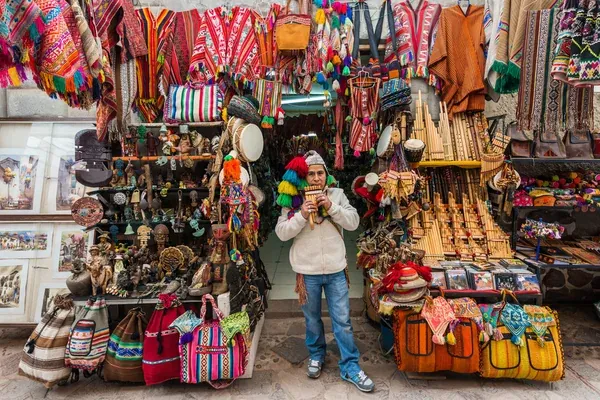
Peru has a rich tradition of artisanal craftsmanship, but in tourist areas it is also common to find mass-produced souvenirs that imitate traditional designs. For this reason, knowing how to distinguish authentic handmade products is essential if you want to take home a genuine piece of Peruvian culture and support local artisans. Paying attention to details such as materials, origin, and production techniques can help you make a more informed purchase.
Peru is home to some of the most vibrant and authentic markets in South America, where travelers can find a wide variety of handmade souvenirs. These markets are not only shopping spots but also cultural experiences that showcase local traditions, colors, and craftsmanship from different regions of the country.
One of the most famous markets in Peru, San Pedro Market in Cusco offers everything from alpaca wool clothing and handwoven textiles to spices and local foods. It is a great place to experience everyday local life while finding affordable and authentic souvenirs made by Andean artisans.
Located in the Sacred Valley, Pisac Market is well known for its high-quality handmade crafts. Here you can find intricate textiles, silver jewelry, ceramics, and traditional Andean art. Many of the products come directly from nearby rural communities, making it a strong hub for authentic craftsmanship.
In Lima, the Indian Market in Miraflores is one of the best places for souvenir shopping in the capital. It offers a wide selection of alpaca garments, leather goods, ceramics, and handcrafted jewelry. The market is organized and tourist-friendly, with many stalls focused on export-quality crafts.
San Blas is known as the artistic neighborhood of Cusco, filled with small workshops, galleries, and craft shops. Unlike traditional markets, this area allows visitors to see artisans working on their pieces while offering unique and often more exclusive handmade souvenirs.
This artisan center in Arequipa is famous for its high-quality crafts, including fine textiles, stone carvings, and traditional paintings. It is a great place to find souvenirs that reflect the cultural identity of southern Peru.
Chinchero Market is one of the most traditional markets in the Andes, where local women sell handwoven textiles made using ancient techniques. It is one of the best places to see live demonstrations of weaving and natural dyeing processes.
Souvenir prices in Peru can vary depending on the type of product, the materials used, and where you buy it. Artisan markets usually offer more affordable options, while shops in tourist areas tend to be more expensive. Below are approximate price ranges to help you get an idea of what to expect.
Alpaca accessories such as scarves, hats, or gloves usually cost around S/40 to S/120 (USD $10–$35). Higher-quality items like sweaters or baby alpaca garments can range from S/200 to S/520 (USD $55–$150) depending on the fineness of the fiber and level of craftsmanship.
Small handmade textiles such as belts or decorative pieces typically cost between S/50 and S/180 (USD $14–$50). Larger items like ponchos or blankets can range from S/250 to S/1,200 (USD $70–$300+), especially if they are made using traditional weaving techniques.
Handmade ceramic items are generally affordable. Small decorative pieces can start at around S/20 to S/70 (USD $5–$20), while larger or more detailed artistic ceramics may reach S/120 or more (USD $30+) depending on size and design complexity.
Peruvian silver jewelry is widely available at different price points. Simple earrings or small pendants usually cost between S/30 and S/100 (USD $8–$25), while more elaborate handcrafted pieces can range from S/80 to S/400 (USD $20–$100+).
Smaller items like keychains, musical instruments, or decorative crafts are the most affordable, typically priced between S/10 and S/50 (USD $3–$15).
Prices are usually lower in local markets like Cusco or Pisac, where bargaining is common, and higher in tourist shops or airport stores due to convenience and fixed pricing.
Shopping for souvenirs in Peru is not just about taking home a memory, but also about making thoughtful choices that support local artisans and ensure you get authentic products. With so many options available in markets, shops, and artisan fairs, having a clear idea of what to look for can help you avoid common mistakes and get better value for your money.
You my also like: International airports in Peru
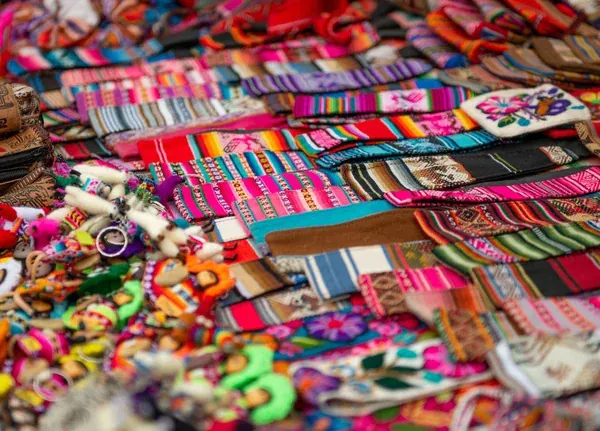
Souvenirs from Peru are much more than simple travel keepsakes they are a reflection of a country rich in history, color, and ancestral traditions. From handwoven textiles and alpaca wool garments to ceramics and silver jewelry, each piece carries the identity and creativity of the artisans who made it. By choosing authentic products and buying consciously, travelers not only take home meaningful memories but also contribute to preserving Peru’s cultural heritage and supporting local communities.

Hi, I'm Kevin, a Peruvian who loves Andean cultures and is proud of my country. On this blog, I share useful and reliable information so you can discover Peru's history, nature, and authentic traditions.
Leave a comment