Chat to a Andean Road Peru
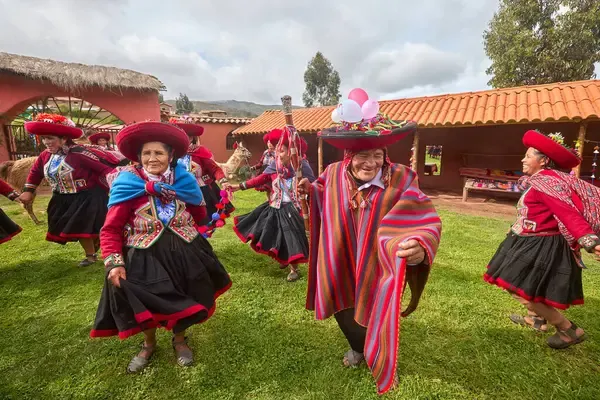
Traditional Peru dances are a vibrant expression of the country’s history, identity, and cultural diversity. Influenced by Indigenous, African, and Spanish traditions, these dances reflect centuries of heritage through music, costumes, and storytelling. From the elegant movements of the Marinera to the powerful rhythms of the Diablada, each performance captures a unique aspect of Peru’s traditions. Exploring traditional Peru dances offers a deeper understanding of the nation’s roots and the communities that keep these artistic expressions alive today.
You may also like: 10 typical peruvian drinks
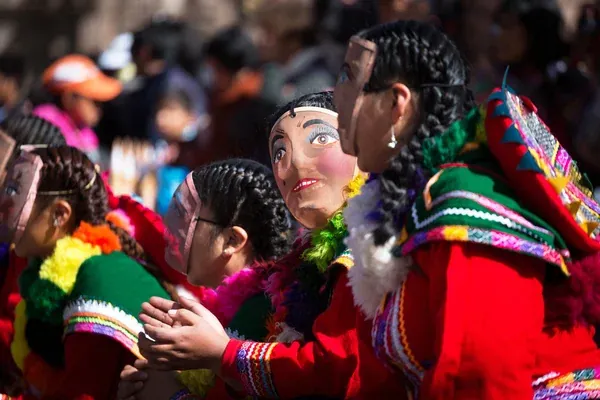
Peru is home to a rich variety of traditional dances that reflect its diverse cultural roots. Influenced by Indigenous, African, and Spanish heritage, these dances are more than just performances—they are living traditions passed down through generations. Here are 10 of the most popular traditional Peru dances, with their history, origins, and cultural context:
The Marinera is considered Peru’s national dance and originated on the northern coast, especially in cities like Trujillo and Lima. It evolved during the 19th century, blending Spanish court dances with Indigenous and Afro-Peruvian influences. Its choreography represents a romantic courtship, where dancers use handkerchiefs to express elegance, flirtation, and mutual respect. Today, it is widely performed in coastal regions and celebrated during festivals such as the National Marinera Contest in Trujillo. The dance reflects Peru’s colonial history and the fusion of multiple cultures into a refined artistic expression.
Huayno has deep roots in pre-Columbian Andean culture, later influenced by Spanish musical elements after colonization. It is one of the most widespread traditional dances in Peru, especially in the Andean highlands. The dance is characterized by energetic footwork, jumps, and emotional expression, often telling stories of love, migration, and rural life. Huayno is commonly performed in regions like Cusco, Ayacucho, and Puno during community celebrations and agricultural festivals. Its music typically includes instruments such as charangos, quenas, and violins, highlighting the blend of Indigenous and European traditions.
The Diablada is a powerful and symbolic dance that originated in the Andean region, particularly in southern Peru. It represents the eternal struggle between good and evil, influenced by both Indigenous beliefs and Catholic traditions introduced during the Spanish conquest. Dancers wear elaborate devil masks and costumes, often portraying demons, angels, and historical characters. This dance is commonly performed during religious festivals such as the Virgen de la Candelaria in Puno. Its dramatic style and rich symbolism make it one of the most visually striking dances in Peru.
Festejo originated in coastal regions like Lima and Ica and is rooted in the traditions of enslaved Africans brought to Peru during colonial times. Over the centuries, it evolved into a joyful and energetic dance that celebrates freedom, identity, and cultural resilience. The rhythm is driven by percussion instruments such as the cajón and congas. Festejo is often performed during cultural festivals and gatherings, especially in Afro-Peruvian communities. Its lively movements and vibrant music highlight the strong African influence on Peru’s cultural landscape.
Tondero comes from northern Peru, particularly the Piura region. It shares similarities with the Marinera but has a more rustic and grounded style. Its origins are a mix of Spanish, Indigenous, and African influences, reflecting the cultural diversity of the coastal countryside. The dance mimics courtship and rural life, often inspired by the movement of birds and nature. Tondero is commonly performed during local festivals and cultural events in northern Peru, preserving the traditions of rural communities.
The Danza de las Tijeras is a unique ritual dance from the southern Andes, particularly in Ayacucho, Huancavelica, and Apurímac. It dates back to pre-Hispanic times and was later influenced by colonial religious practices. Dancers perform impressive acrobatic movements while holding metal scissors that they rhythmically strike together. Recognized by UNESCO as Intangible Cultural Heritage, this dance carries deep spiritual meaning and is often performed during religious and agricultural ceremonies. It represents endurance, skill, and a connection to ancestral beliefs.
Carnaval de Puno is not just a single dance but a vibrant celebration that includes multiple dance styles. It takes place in the Andean region of Puno and reflects pre-Hispanic agricultural traditions mixed with Catholic festivities. Dancers wear colorful costumes and participate in large group choreographies accompanied by bands. The event is a major cultural expression of community identity and is celebrated annually with great enthusiasm. It highlights the importance of music, dance, and collective participation in Andean culture.
The Pandilla Puneña is a social dance popular in Puno, especially during carnival season. It originated as a community celebration where people gather to dance in groups, forming circles or lines. The dance reflects unity, joy, and social connection, with simple yet coordinated steps that encourage participation. It is commonly performed in public squares and during local festivities, making it an accessible and inclusive tradition for all ages.
Lando is an Afro-Peruvian dance that developed along the central coast, particularly in Lima and surrounding areas. It has a slower rhythm compared to Festejo and emphasizes expressive body movements and musicality. Its origins are tied to African rhythms preserved by enslaved communities, later blended with local influences. Lando is often performed in cultural shows and festivals, representing identity, resistance, and artistic expression within Afro-Peruvian heritage.
Sikuri is both a musical and dance tradition from the Andean highlands, especially in Puno and surrounding regions. It is performed by groups playing panpipes (sikus) in synchronized harmony, accompanied by coordinated dance movements. The origins of Sikuri date back to pre-Columbian times and are closely linked to agricultural cycles and community rituals. It is commonly seen during festivals and religious celebrations, symbolizing unity, cooperation, and a deep connection to nature.
Traditional Peruvian dances are not only defined by their movements, but also by their striking costumes and distinctive musical instruments. These elements reflect the country’s cultural diversity and enhance every performance with meaning, color, and rhythm.
Costumes play a fundamental role in Peruvian dances, as they visually represent the history, geography, and identity of each region. From the elegant styles of the coast to the vibrant and symbolic outfits of the Andes, every garment tells a story. Materials, colors, and accessories are carefully chosen to reflect traditions passed down through generations, making costumes an essential part of the cultural expression.
Music is the backbone of traditional Peruvian dances, providing rhythm, emotion, and structure to each performance. The instruments used vary depending on the region and cultural influences, combining Indigenous sounds with African rhythms and European melodies. This fusion creates a unique musical identity that accompanies and enhances the dancers’ movements.
Together, these costumes and instruments bring traditional Peruvian dances to life, combining visual beauty with rich musical expression.
You may also like: International airports in Peru
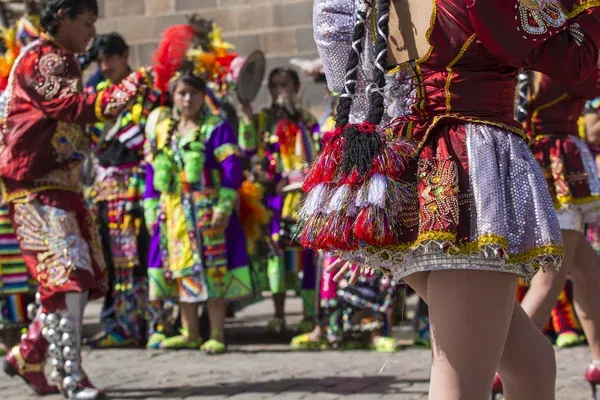
If you want to experience traditional Peruvian dances at their best, timing your visit around festivals and cultural events is key. Throughout the year, Peru hosts vibrant celebrations where music, costumes, and dance come together, offering an authentic glimpse into the country’s living traditions.
Held every February in Puno, this is one of the largest and most important cultural festivals in Peru. Recognized by UNESCO, it features hundreds of dance groups performing in massive parades. Dances like the Diablada stand out for their elaborate costumes and symbolic storytelling rooted in Andean and Catholic traditions.
Celebrated every June in Cusco, Inti Raymi is a historical reenactment of an ancient Inca ceremony honoring the sun god. While it is theatrical in nature, it includes traditional dances that showcase the grandeur of the Inca Empire and the cultural richness of the Andes.
This iconic event takes place every January in Trujillo and is dedicated to the Marinera. Dancers from across the country compete, demonstrating elegance, rhythm, and technique in one of Peru’s most celebrated dance traditions.
Celebrated in various regions such as Ayacucho, Cajamarca, and Puno, these carnivals usually take place between February and March. They are community-based festivities that include dances like Huayno, music, water games, and rituals linked to agricultural cycles.
Available year-round, especially in Lima, peñas are traditional venues where visitors can enjoy live performances of music and dances. Here, you can experience Afro-Peruvian rhythms and dances like
Planning your visit around these festivals and events will allow you to fully experience the energy, diversity, and cultural significance of traditional dances in Peru.
Traditional dance continues to play a key role in modern Peruvian culture, serving as a bridge between ancestral traditions and contemporary life. Dances like the Marinera and Huayno are still performed in festivals, schools, and community events, helping preserve cultural identity and strengthen social bonds. At the same time, institutions such as UNESCO recognize and protect these traditions as part of the country’s intangible heritage. Today, dance is not only a form of artistic expression, but also a symbol of national pride and cultural continuity in Peru.
If you want to truly experience Peru’s rich dance traditions, it’s worth going beyond typical sightseeing and engaging with local culture. Here are some practical tips to make the most of your experience:
Following these tips will help you connect more deeply with Peru’s dance culture and enjoy a more authentic travel experience.
You may also like: Qhapaq Ñan: the great road network of the Inca Empire
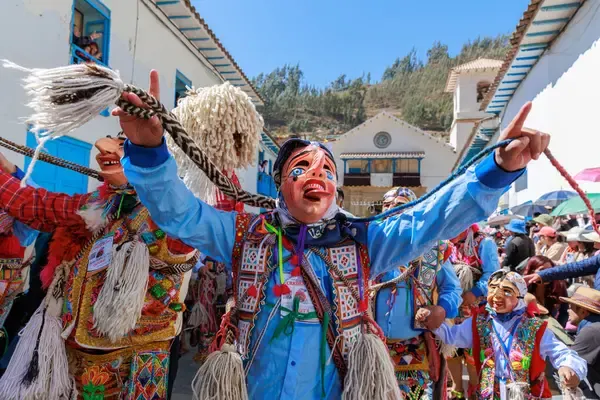
Traditional Peru dances are more than artistic performances they are living expressions of history, identity, and cultural diversity. From the elegance of the Marinera to the deep-rooted traditions of the Huayno, each dance tells a unique story shaped by centuries of Indigenous, African, and Spanish influence. Experiencing these dances whether at festivals, local events, or cultural venues offers a deeper connection to Peru’s heritage and the communities that keep these traditions alive. Ultimately, traditional dances are an essential part of understanding the true spirit of Peru.

Hi, I'm Kevin, a Peruvian who loves Andean cultures and is proud of my country. On this blog, I share useful and reliable information so you can discover Peru's history, nature, and authentic traditions.
Leave a comment