Chat to a Andean Road Peru
Peru is not only known for its world-famous cuisine, but also for its incredible variety of typical Peruvian drinks that reflect the country’s rich culture and history. From refreshing fruit-based beverages to ancient recipes passed down through generations, each drink offers a unique taste of Peru’s diverse regions, from the coast to the Andes and the Amazon.
In this post, you’ll discover 10 must-try drinks that locals love and visitors never forget. Whether you are looking for something refreshing, energizing, or completely new to your palate, these traditional Peruvian beverages are sure to surprise you.
Typical Peruvian drinks are traditional beverages that reflect the country’s rich cultural heritage, diverse geography, and strong connection to natural ingredients. Found across the coast, the Andes, and the Amazon, these drinks vary widely in flavor and preparation, using local products such as native fruits, grains, and herbs that give them a distinctive identity.
What makes them truly unique is the blend of ancestral traditions and cultural influences behind each recipe. Many of these drinks have been passed down through generations and are closely tied to daily life, local customs, and celebrations, making them not just beverages, but an authentic expression of Peru’s history and diversity.
You may also like: International airports in Peru
Peru offers a wide variety of traditional beverages that reflect its diverse regions and cultural influences. From refreshing fruit-based drinks to recipes rooted in ancient traditions, these beverages are an essential part of the Peruvian experience, especially for travelers exploring the country through different peru tour packages.
In this list, you’ll discover 10 typical Peruvian drinks you need to try, each one known for its unique flavor and cultural significance.
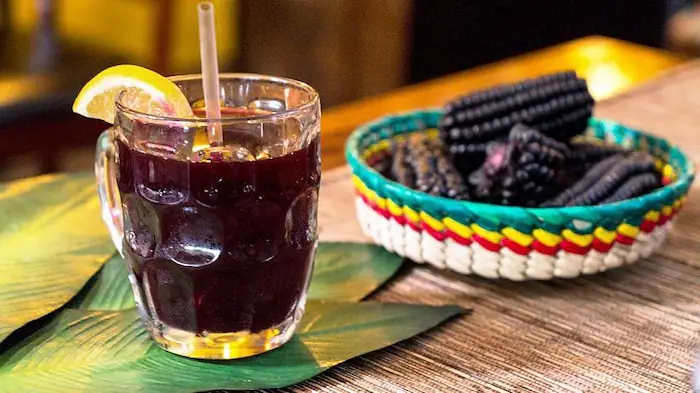
A refreshing non-alcoholic drink made from purple corn, pineapple, cinnamon, and cloves. It has a sweet, slightly spiced flavor and is commonly served with meals. This traditional drink is also appreciated for its antioxidant properties. You can find it freshly prepared at home or available in restaurants across the country. Some variations include apple or lime juice to enhance its freshness. It is especially popular during family gatherings and traditional celebrations.
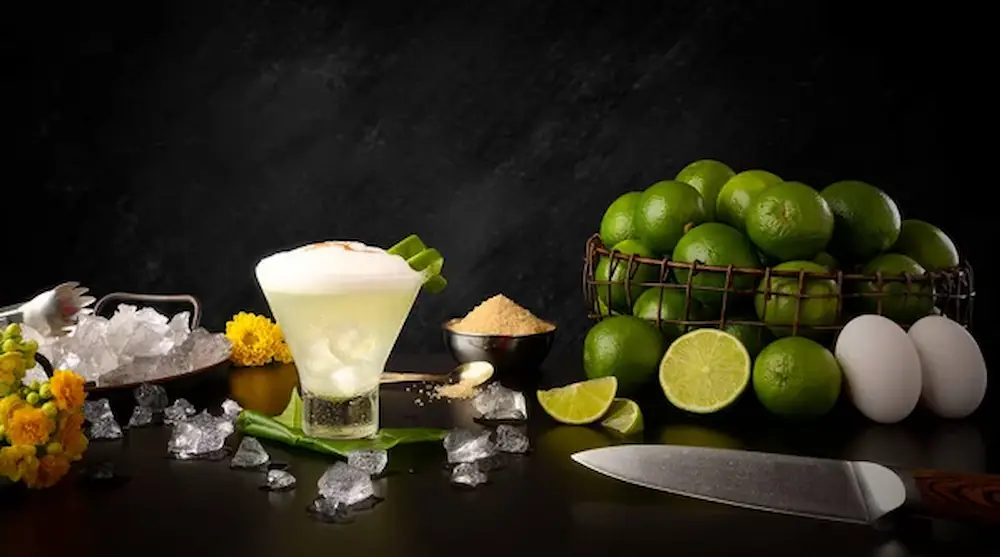
Peru’s most iconic cocktail, made with pisco, lime juice, sugar syrup, egg white, and bitters. It has a smooth texture and a perfect balance between sweet and sour, often enjoyed on special occasions. It is considered a national symbol and even has its own holiday in Peru, which highlights its cultural importance. Bartenders may add creative twists, but the classic recipe remains the most valued.
A bright yellow soda with a sweet, unique flavor often compared to bubblegum. It is one of the most popular drinks in Peru and a favorite pairing with traditional dishes. Its strong cultural identity has made it a symbol of national pride, and it is commonly served at celebrations, fast food restaurants, and family meals.
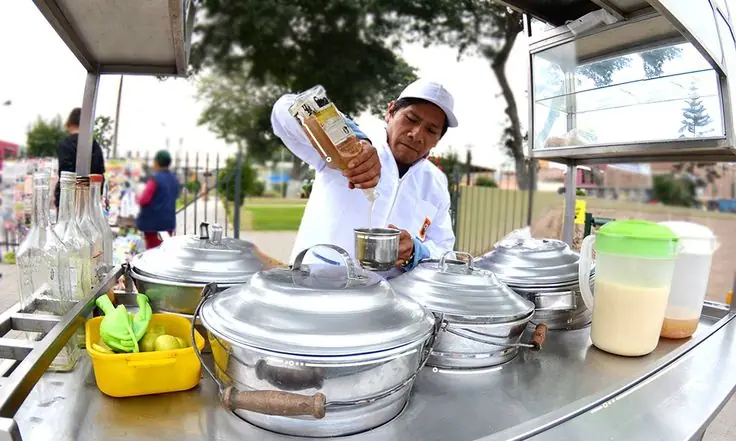
A warm herbal drink made with barley, flaxseed, and medicinal herbs. It is commonly sold by street vendors, especially at night, and is known for its digestive and soothing benefits. Some versions include boldo, horsetail, or aloe vera, making it a natural option for those seeking health benefits along with comfort.
A traditional fermented corn drink with pre-Columbian origins. It has a slightly sour taste and is especially popular in the Andean regions. It is often associated with cultural rituals and community gatherings, and in some areas, it is still prepared using ancestral fermentation techniques that have been preserved for centuries.
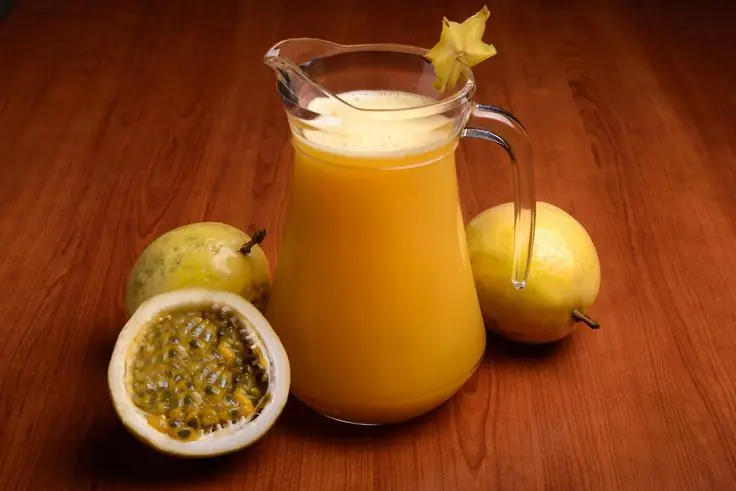
A refreshing juice made from passion fruit, known for its tangy and tropical flavor. It is usually served cold and lightly sweetened to balance its acidity. It is a staple in many Peruvian homes and restaurants, and it is often used as a base for desserts, cocktails, and other refreshing drinks.
A drink made from aguaje, an Amazonian fruit rich in nutrients, especially vitamin A. It has a distinctive taste and is widely consumed in jungle regions. It is often sold in local markets and is valued not only for its flavor but also for its perceived health and beauty benefits among locals.
A traditional drink from the Amazon made with fermented cassava. It has a slightly sour flavor and a thick texture. It plays an important role in community life and is often prepared and shared during social gatherings, symbolizing hospitality and cultural identity in Amazonian communities.
A simple and refreshing drink made from barley, lemon, and sugar. It is commonly found in local markets and street stalls. Its light flavor and affordability make it a daily option for many people, especially as a refreshing alternative to sugary sodas.
Peruvian coffee is known for its high quality and smooth, aromatic flavor. It is grown in regions such as the Andes and the Amazon, where altitude and climate create ideal conditions. It is an important export product, and many of its varieties are organic, produced by small farmers who maintain traditional cultivation methods.
Typical Peruvian drinks are known for their use of natural and locally sourced ingredients, many of which have been part of the country’s culinary traditions for centuries. These ingredients reflect Peru’s biodiversity and vary depending on the region, from the coast to the Andes and the Amazon.
A key ingredient in drinks like chicha morada, valued for its deep color, slightly sweet flavor, and high antioxidant content. It has been cultivated since pre-Columbian times and is considered a symbol of Andean heritage. In addition to beverages, it is also used in desserts, showing its versatility in Peruvian gastronomy.
Widely used in traditional drinks like chicha de jora, corn is fermented to create a beverage with ancestral origins. Peru grows many corn varieties, each suited to different altitudes and climates, making it one of the country’s most important crops.
Fruits like maracuyá, aguaje, lucuma, and camu camu are commonly used to prepare refreshing beverages. These fruits provide unique tropical flavors and are rich in vitamins, especially vitamin C and A. Many of them grow in specific regions, which gives each drink a strong connection to its place of origin.
Ingredients such as mint, chamomile, boldo, and horsetail are often included in drinks like emoliente. These herbs are traditionally used for their digestive, calming, and healing properties. Their use reflects a long-standing tradition of natural medicine in Peruvian culture.
Barley is frequently used in homemade drinks like refresco de cebada, offering a mild and slightly toasted flavor. It is widely available and affordable, which makes it a common choice for everyday beverages, especially in urban areas and local markets.
Many traditional drinks are sweetened with sugar, panela, or honey. These ingredients not only enhance flavor but also help preserve traditional preparation methods. In some cases, natural sweeteners are preferred to maintain a more authentic and less processed taste.
A staple in the Amazon region, used to prepare drinks like masato. It plays an important role in local culture and traditional fermentation processes. Its preparation is often done in communal settings, reinforcing social bonds and preserving ancestral customs within Amazonian communities.
You may also like: Qhapaq Ñan: the great road network of the Inca Empire
Peru’s geography plays a key role in shaping its traditional beverages. Each region, the coast, the Andes, and the Amazon, offers unique drinks made with local ingredients and influenced by different climates, cultures, and traditions. This regional diversity is what makes typical Peruvian drinks so rich and varied, something often highlighted by any experienced Peru tour operator when introducing travelers to the country’s culture.
The coastal region is known for its refreshing and widely consumed drinks, often made with fruits and served cold due to the warmer climate. Beverages like chicha morada, maracuyá juice, and Inca Kola are especially popular here. The coast is also home to iconic cocktails like pisco sour, which is commonly enjoyed in cities and tourist areas.
In the Andean region, traditional drinks are deeply connected to ancestral practices and local agriculture. Chicha de jora is one of the most representative beverages, often used in cultural rituals and community gatherings. Warm drinks like emoliente are also common, especially in colder areas, providing both comfort and health benefits, and are frequently enjoyed by travelers during tours in Cusco seeking an authentic cultural experience.
The Amazon region offers drinks made from native fruits and local crops, reflecting its rich biodiversity. Aguajina and masato are among the most traditional options, both made with ingredients found in the jungle. These drinks are not only refreshing but also play an important role in daily life and social traditions within Amazonian communities.
To experience authentic typical Peruvian drinks, visit local markets, family-run restaurants, and street stalls. Beverages are prepared fresh using traditional recipes. In the Andes, picanterías serve drinks like chicha de jora. In the Amazon, local communities offer masato and aguajina made from native ingredients. Whether in cities or rural areas, these places provide genuine flavors and a true taste of Peru’s cultural heritage.
Many typical Peruvian drinks are natural and nutritious. They are often made with fresh fruits, grains, and locally sourced herbs. Drinks like chicha morada, maracuyá juice, and aguajina are rich in vitamins, antioxidants, and minerals. They offer a refreshing and healthy alternative to processed beverages.
Herbal drinks such as emoliente are valued for their digestive and soothing properties. Traditional fermented drinks like chicha de jora and masato can provide probiotics that support gut health. While some drinks are sweetened for flavor, most keep a balance of natural ingredients, making them a wholesome choice rooted in Peru’s culinary traditions.
The national drink of Peru is the pisco sour, a cocktail made from pisco, lime juice, sugar syrup, egg white, and bitters. Known for its smooth texture and perfect balance of sweet and sour flavors, the pisco sour is more than just a beverage; it is a symbol of Peruvian culture and pride.
Originating in the early twentieth century, this cocktail is celebrated across the country and internationally, with Peru hosting an annual Pisco Sour Day on the first Saturday of February. It is commonly enjoyed during festivals, family gatherings, and special occasions, making it an essential part of Peru’s culinary identity.
You may also like: Visit Peru in the winter for a unique and peaceful journey
Peru’s typical drinks offer more than just refreshment; they are a journey through the country’s culture, history, and biodiversity. From the refreshing chicha morada of the coast to the ancestral chicha de jora of the Andes and the tropical masato of the Amazon, each beverage tells a story and reflects the traditions of its region.
Trying these drinks allows both locals and visitors to connect with Peru in a unique and authentic way, enjoying flavors that have been cherished for generations. Whether you are sipping a pisco sour at a celebration or tasting fresh fruit juices in a local market, Peruvian beverages provide an unforgettable and wholesome taste of the nation.

Hi, I'm Kevin, a Peruvian who loves Andean cultures and is proud of my country. On this blog, I share useful and reliable information so you can discover Peru's history, nature, and authentic traditions.
Leave a comment