Chat to a Andean Road Peru
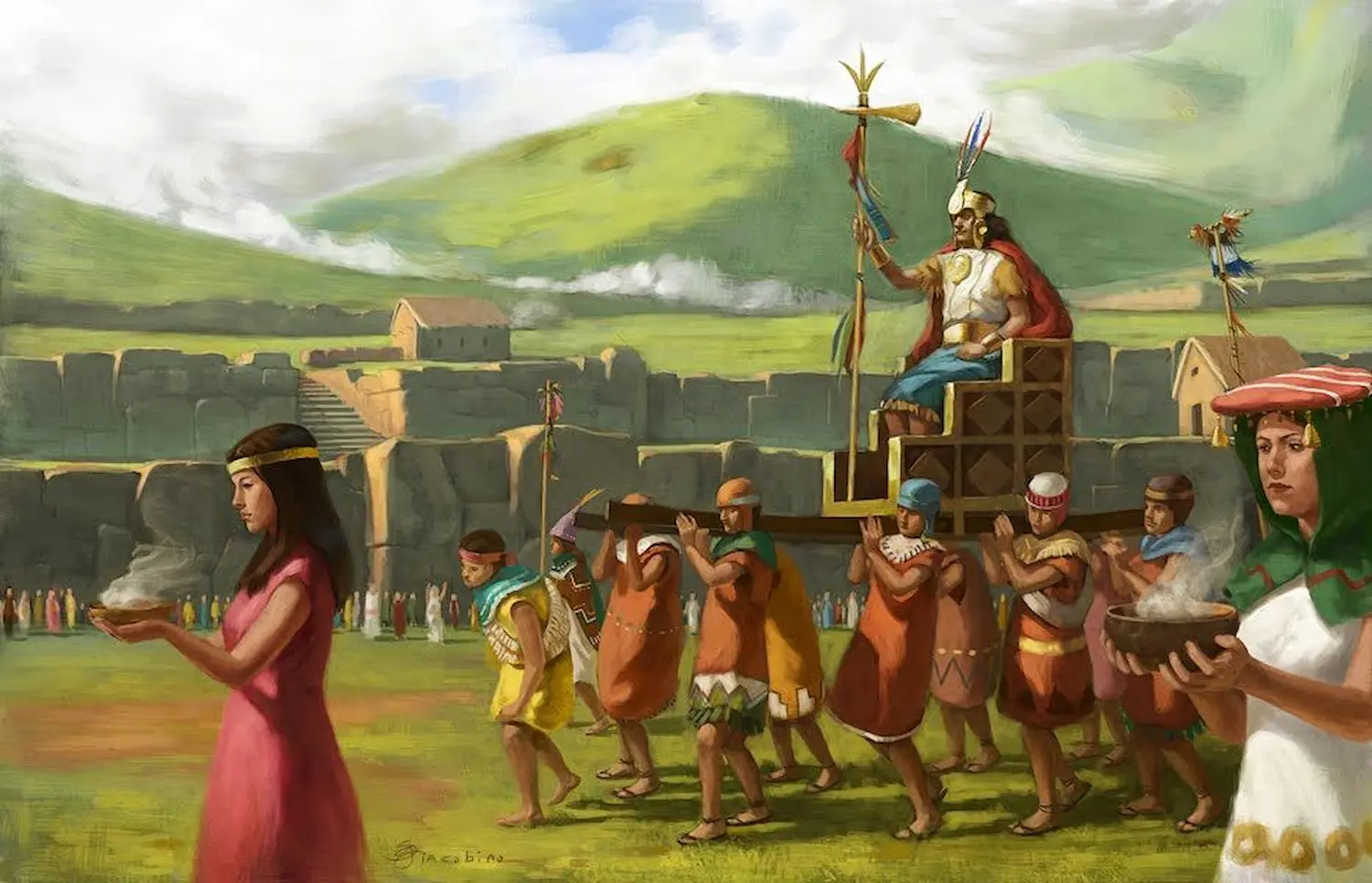
The society of the Inca Empire was built upon a highly organized hierarchical system that allowed the administration of one of the largest territories in pre-Columbian America. Through a strict political and social structure, the authorities in Cusco coordinated agricultural production, military expansion, and religious activities across vast Andean regions. Every social group had a specific role that contributed to the economic stability and political strength of the state.
The success of this organization did not rely solely on warfare or territorial conquest. The Inca Empire also depended on cooperation, collective labor, and strong local leadership to integrate different communities under one centralized administration. Understanding how this social system functioned helps explain why the Andean world achieved such an advanced level of organization long before the arrival of the Spanish.
You my also like: Corpus Christi in Cusco 2026: everything you need to know
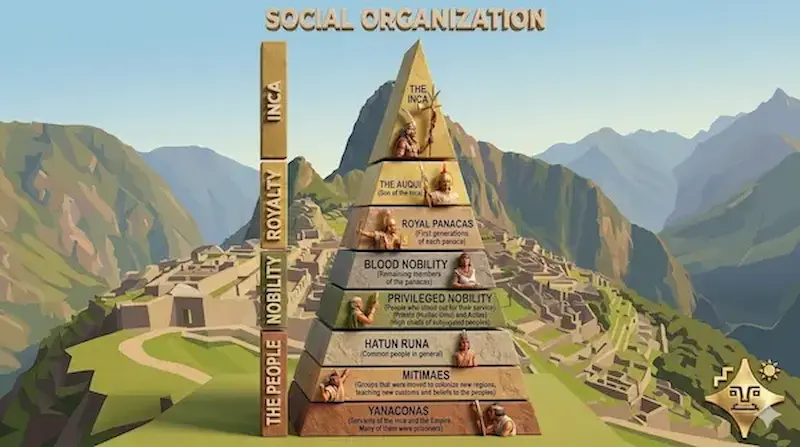
The social structure of the Inca Empire was divided into clearly defined groups that fulfilled different responsibilities within society. Each class occupied a specific place within the state hierarchy, and social roles were generally inherited through family lineage. This rigid organization helped maintain political order and ensured that labor obligations were fulfilled throughout the territory.
The authorities in Cusco used this hierarchical model to organize agriculture, religion, military campaigns, and public works across the Inca Empire. Thanks to this system, the state could mobilize thousands of people to build roads, temples, terraces, and storage centers without losing control over distant provinces.
The population was generally divided into three major social sectors that supported the functioning of the state:
The separation between these groups was highly restrictive within the Inca Empire. Most responsibilities and privileges were inherited, limiting social mobility and reinforcing the stability of the government.
The ayllu was the most important social unit in Andean life. It consisted of families connected through shared ancestry, traditions, and territory. Through this communal system, local authorities organized labor and distributed farmland among the inhabitants of the Inca Empire.
Within each ayllu, community members worked collectively to cultivate crops and support one another. Agricultural production not only sustained individual families but also supplied the state warehouses that provided food during emergencies and military expeditions.
The ayllu system was based on several important principles:
You my also like: Souvenirs from Peru: suthentic keepsakes from the Andes
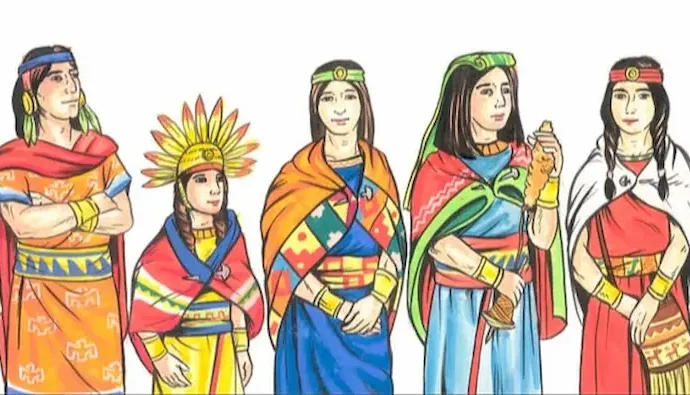
The highest positions in the society of the Inca Empire were occupied by sacred figures believed to be directly connected to the gods. Their authority was considered absolute, and their decisions influenced every aspect of political, economic, and religious life.
The power of the ruling elite was reinforced not only through military strength but also through ceremonial traditions and spiritual legitimacy. These beliefs encouraged loyalty among conquered populations and strengthened the authority of the state.
The Sapa Inca was recognized as the absolute ruler and the earthly representative of the Sun god. He controlled the political, military, and ceremonial affairs of the Inca Empire. Important decisions regarding expansion, alliances, and resource distribution required his approval.
The ruler participated in major religious ceremonies and frequently traveled throughout the territory to reinforce alliances with regional leaders. Even after death, his mummified body continued to receive honors and offerings from his descendants.
Among the ruler’s most important responsibilities were:
The Coya, or principal wife of the ruler, held an influential position within the royal court. She played a significant role in ceremonial activities and often influenced political decisions involving noble families in Cusco.
Meanwhile, the auqui, or crown prince, was trained from an early age to govern the Inca Empire. His selection depended not only on family ties but also on leadership abilities and military skills. During the final years of a ruler’s reign, the heir commonly participated in official activities to gain experience.
You my also like: Traditional Peru dances: a cultural guide
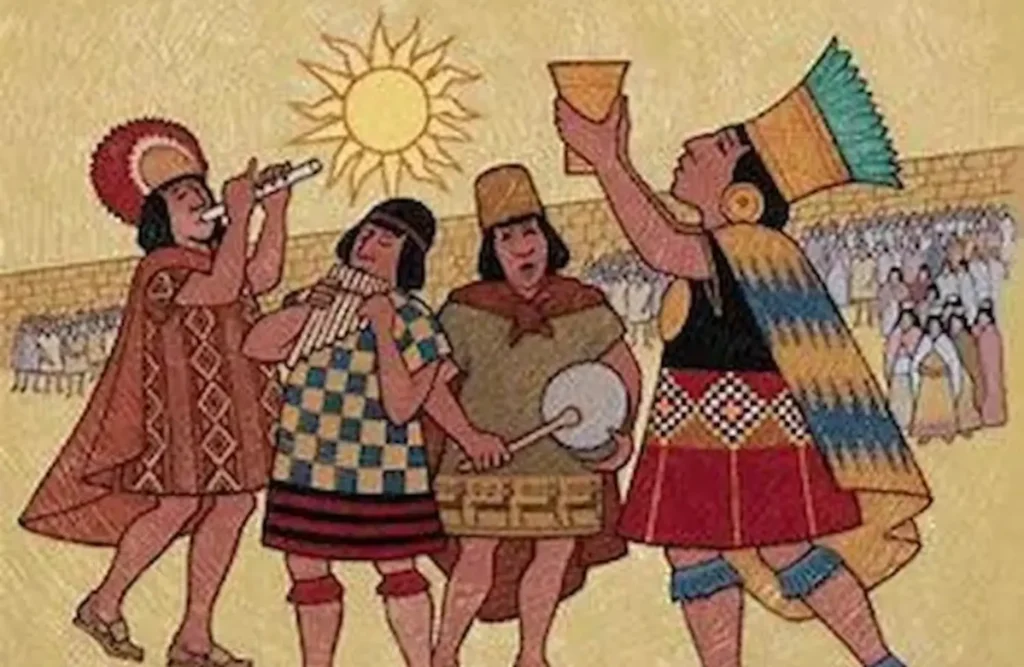
The noble class played a central role in the administration of the Inca Empire and the management of conquered provinces. This privileged sector was divided according to lineage and service to the state.
Nobles were responsible for directing armies, organizing labor obligations, and overseeing economic activities. In return, they received privileges, access to luxury goods, and control over productive lands throughout the territory.
The panacas were royal family groups descended from former rulers of the Inca Empire. These noble lineages concentrated much of the political and religious influence in Cusco and competed for greater power within the government.
Members of the aristocracy received specialized education in astronomy, history, religion, and accounting. Their prestige depended largely on the purity of their ancestry and their proximity to the ruling monarch.
The panacas enjoyed several important privileges:
Curacas were regional leaders who acted as intermediaries between local communities and the central government. Although they retained authority over their people, they were expected to obey the political directives of Cusco and organize labor contributions for the Inca Empire.
There was also a privileged noble class composed of individuals rewarded for military achievements or administrative excellence. These people could receive land, luxury clothing, and exemptions from heavy labor obligations.
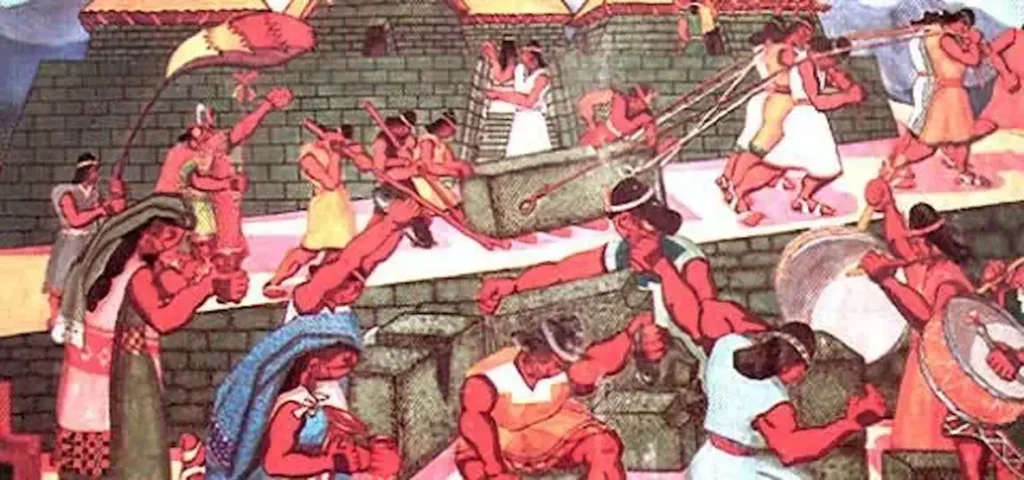
Most of the population belonged to the working sectors that sustained the economy of the Inca Empire. Farmers, artisans, and herders carried out the daily tasks necessary to support cities, temples, and military forces.The territorial growth of the state depended heavily on the labor of these communities. Their efforts allowed the authorities to maintain large food reserves and execute massive infrastructure projects across the Andes.
The hatun runa represented the largest social group within the society of the Inca Empire. These common citizens were mainly dedicated to farming and animal husbandry. They lived in rural communities and cultivated lands assigned by the state.
In addition to growing crops such as maize and potatoes, they participated in the construction of roads, irrigation systems, and bridges. Part of their agricultural production was delivered to state storehouses to guarantee supplies during difficult periods or military campaigns.
The responsibilities of the hatun runa included:
Collective labor was one of the foundations of the Andean economy. Through systems such as the mita, the government organized mandatory work periods dedicated to public projects and productive activities.
These obligations included the construction of fortresses, agricultural terraces, temples, and roads throughout the Inca Empire. Although labor demands were strict, the state also provided food, protection, and access to land for participating communities.
Today, many travelers interested in learning about the legacy of the Andean world choose a professional tour operator to better understand the historical importance of these ancient systems and monuments.
You may also like: 10 typical peruvian drinks
As the Inca Empire expanded across different regions, the government created strategies to maintain political and cultural control over newly conquered territories. Specialized social groups played an important role in strengthening state authority in these areas.
Among these groups were the mitimaes and yanaconas, both of which occupied unique positions within Andean society and maintained different relationships with the central government.
The mitimaes were families relocated from one region to another by the authorities of the Inca Empire. Their mission was to reinforce state presence, spread the Quechua language, and introduce official agricultural techniques into recently conquered territories.
These relocations also helped reduce the possibility of rebellions in unstable provinces. Although the mitimaes adapted to their new environments, they often preserved parts of their original customs and clothing.
Their primary responsibilities included:
Many visitors interested in discovering the historical heart of the Andes often explore tours in Cusco to better appreciate the cultural legacy left behind by these ancient communities.
At the lowest level of the social hierarchy were the yanaconas, individuals separated from their ayllus and placed under the direct service of nobles or rulers. Unlike other groups, they did not participate in communal labor systems organized by the Inca Empire.
Their responsibilities included domestic service, caring for livestock, and assisting within royal estates. Because they depended entirely on their masters for survival, they occupied a highly dependent position within the state structure.
The social organization of the Inca Empire became one of the most efficient administrative systems in pre-Columbian America. Through hierarchy, collective labor, and reciprocity, the state successfully governed enormous territories populated by culturally diverse communities.This complex structure allowed the construction of roads, ceremonial centers, agricultural terraces, and cities that continue to impress historians and travelers today. Visitors who wish to explore this remarkable heritage often choose specialized Machu Picchu tours to experience firsthand the achievements of one of the greatest civilizations in the ancient Americas.
Leave a comment