Chat to a Andean Road Peru
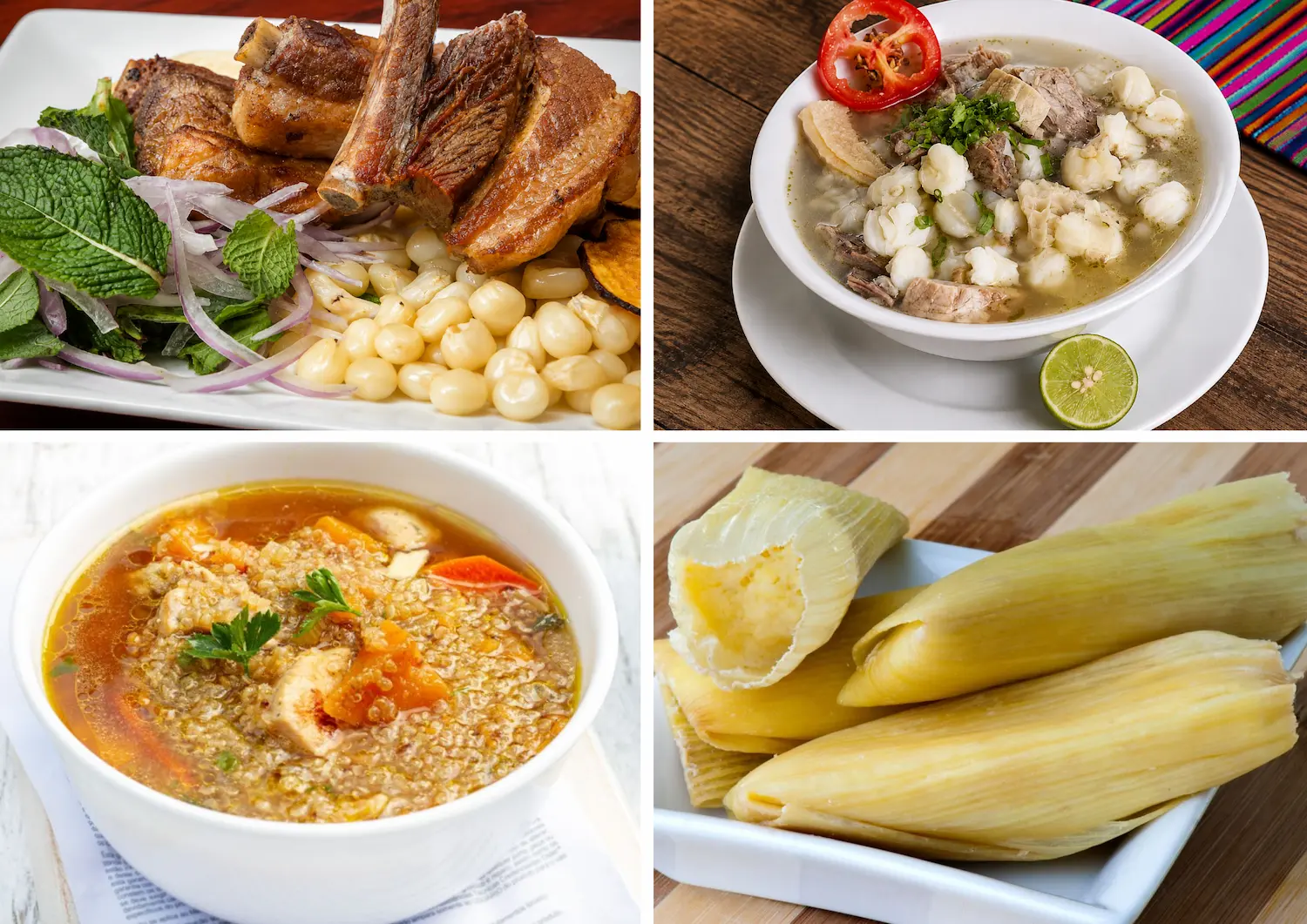
Peruvian gastronomy is recognized worldwide for its diversity, and one of the most important expressions of this richness can be found in Andean cuisine. The typical dishes from the Peruvian highlands reflect the history of its communities, the use of native products, and traditional cooking techniques that have been passed down from generation to generation.
From potatoes and corn to quinoa, olluco, and traditional meats, each preparation represents the connection between Andean communities and their territory. The typical dishes from the Peruvian highlands are not only recognized for their flavors but also for the cultural value they preserve, as they are part of celebrations, family gatherings, and traditions that remain alive today.
Andean gastronomy is characterized by the use of ingredients that are native to each area and by its adaptation to the geographical conditions of different regions. For centuries, highland communities have developed preservation and preparation techniques that allow them to make the most of the resources available in their environment.
Among the most representative ingredients of the typical dishes from the Peruvian highlands are:
Each region contributes its own characteristics to these recipes. Some dishes are connected to religious celebrations, while others are part of the daily meals of Andean families. This variety makes the cuisine of the Peruvian highlands a reflection of the country’s cultural diversity.
In addition, gastronomy is part of a broader experience for those who want to discover Peru’s traditions. Visiting communities, local markets, and destinations where these preparations are preserved allows travelers to better understand the history behind each recipe. For those looking to organize this type of experience, a specialized Peru tour operator can help connect visitors with different cultural and gastronomic attractions.
The geographical diversity of the Andes has allowed each region to develop its own preparations with local ingredients and traditional techniques. The typical dishes from the Peruvian highlands represent a combination of history, native products, and knowledge that has been passed down through generations.
Below are some of the most representative recipes of Andean gastronomy, highlighting their origins, main ingredients, and the cultural value they maintain within the communities where they are prepared.
You my also like: The Sacred Pachamama Ceremony in Peru
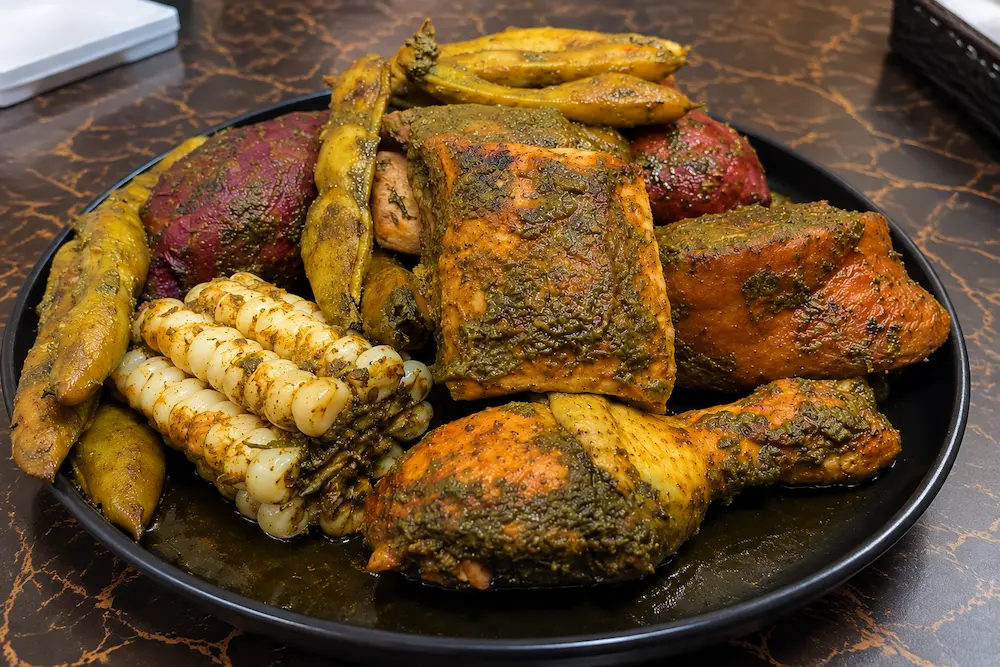
Pachamanca is one of the most representative typical dishes from the Peruvian highlands due to its ancestral cooking technique and its connection with community celebrations. It is especially present in regions such as Junín, Ayacucho, and Huancavelica, where this preparation continues to be part of family gatherings and traditional festivities.
Its name comes from Quechua and refers to a “pot in the earth,” because the ingredients are cooked inside an underground oven built with hot stones. It is prepared with meats such as chicken, pork, lamb, or guinea pig, along with potatoes, broad beans, corn, and aromatic herbs that acquire a unique flavor thanks to the heat of the stones.
More than just a traditional meal, pachamanca represents a collective practice where several people participate in its preparation. For this reason, it maintains an important cultural meaning related to community, unity, and respect for the products provided by the land.
Chiri Uchu is a traditional preparation from the department of Cusco and one of the typical dishes from the Peruvian highlands most closely related to regional festivities. Its name comes from Quechua and means “cold chili,” referring to the way its ingredients are combined.
This dish brings together products such as chicken, charqui, cheese, rocoto, toasted corn, and other ingredients characteristic of Cusco’s cuisine. The combination of different flavors reflects the diversity of products found in the Andes and the ability of local communities to create recipes using the resources available in their environment.
Chiri Uchu has a special presence during traditional celebrations such as Corpus Christi, where it represents the union between gastronomy, history, and cultural expressions. Its preparation preserves techniques that have been passed down from generation to generation.
You my also like:Cusco Festival Calendar August 2026
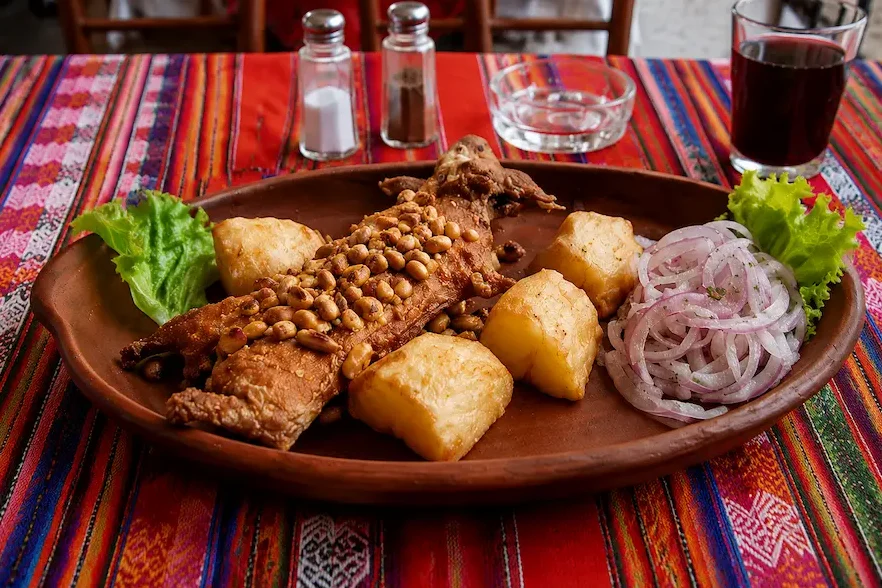
Cuy chactado is one of the typical dishes from the Peruvian highlands with the greatest recognition within Andean cuisine. Its consumption has a long history and is especially associated with regions such as Arequipa, Cusco, and Ayacucho, where guinea pig has been part of local diets since pre-Hispanic times.
This preparation consists of seasoning the guinea pig with different herbs and spices before cooking it until it reaches a crispy texture. It is usually served with potatoes, corn, salad, or other traditional products that complement its flavors and highlight the ingredients of each region.
In addition to its gastronomic value, cuy chactado represents a tradition that remains alive in different Andean communities. Its presence during festivals and celebrations shows the importance of food as part of Peru’s cultural identity.
Fried trout is one of the typical dishes from the Peruvian highlands most commonly consumed in high-altitude areas, especially in regions such as Cusco, Puno, and Áncash. Its presence is related to the availability of this fish in rivers and highland lakes, where it has become part of the local diet.
Its preparation is usually simple, as it aims to preserve the natural flavor of the trout through frying. It is generally served with potatoes, rice, salad, or local products, creating a balanced combination of ingredients from the region.
This dish has become one of the most popular gastronomic options among visitors exploring Andean destinations. Beyond its flavor, it allows travelers to understand the connection between traditional cuisine and the natural resources of each territory.
You my also like: Cusco Festival Calendar August 2026
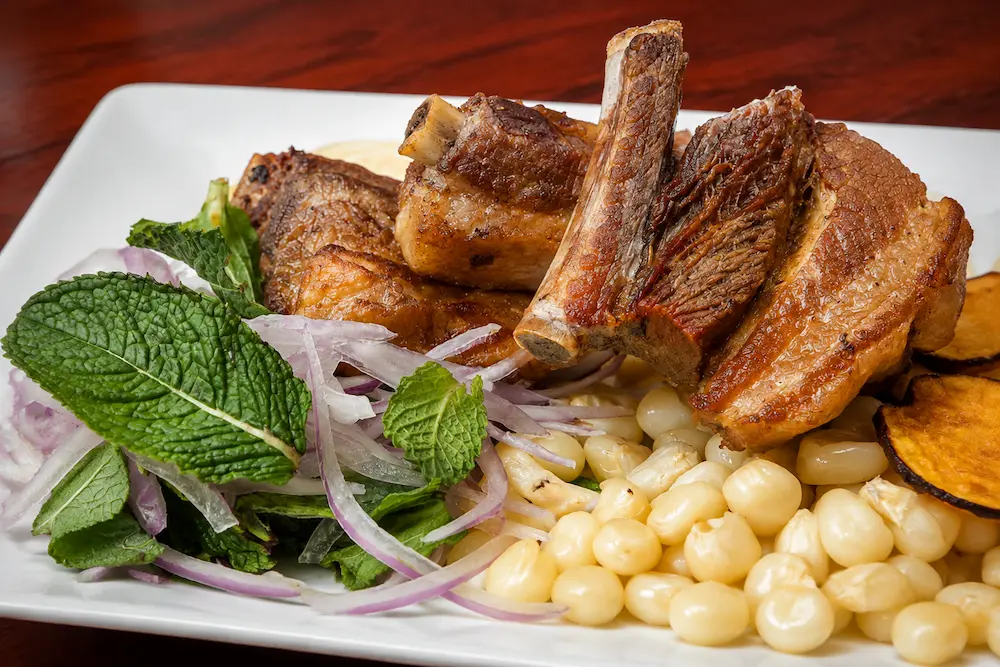
Chicharrón is one of the typical dishes from the Peruvian highlands with a strong presence in regions such as Cusco and other Andean areas. Its traditional preparation uses pork that is cooked and fried until achieving a crispy texture, usually served with potatoes, corn, mote, and sauces made with local ingredients.
In Cusco, Cusco-style chicharrón is a highly representative preparation and is commonly enjoyed during family gatherings and celebrations. The combination of meat, Andean products, and traditional cooking techniques reflects how local gastronomy has adapted to the ingredients available in each region.
This dish represents the importance of pork within Andean cuisine and continues to be part of the culinary identity of many communities. Its popularity has allowed it to become one of the most recognized traditional preparations in the region.
Quinoa soup is one of the typical dishes from the Peruvian highlands that reflects the importance of this Andean grain in traditional cuisine. It is widely consumed in regions such as Cusco, Puno, Ayacucho, and other areas where quinoa has been cultivated by Andean communities for centuries.
This preparation usually combines quinoa with vegetables, potatoes, aromatic herbs, and, in some versions, meat or other local products. Its nutritional value and ability to adapt to different recipes have made this grain one of the most representative ingredients of Peruvian gastronomy.
Beyond being part of the daily diet of many families, quinoa soup maintains a close relationship with traditional agricultural practices. Its presence highlights the importance of preserving native products that have accompanied Andean communities throughout history.
Humitas are a traditional preparation made mainly with corn and are among the typical dishes from the Peruvian highlands with a strong presence in different Andean regions. They are consumed in areas such as Cusco, Cajamarca, and other places where this crop plays an important role in local gastronomy.
Their preparation consists of making a dough from ground corn that can have a sweet or savory filling, depending on the region and family traditions. The mixture is then wrapped in corn leaves and cooked until it reaches its characteristic soft texture.
Humitas are commonly present during family gatherings, festivals, and traditional celebrations. Their preparation preserves the importance of corn within Andean culture and keeps alive culinary techniques that have been passed down through generations.
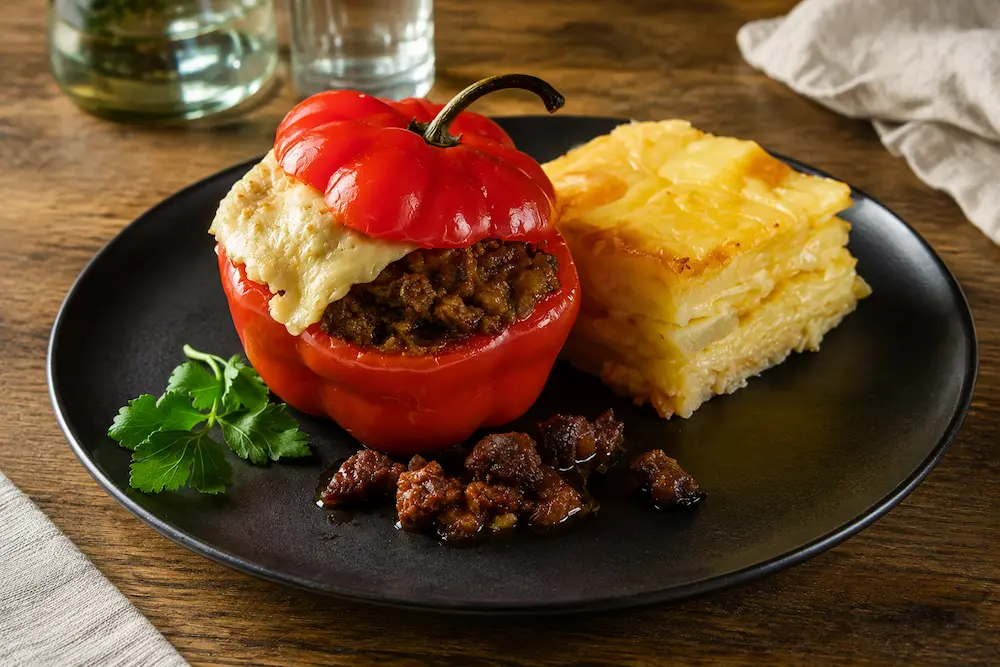
Rocoto relleno is one of the typical dishes from the Peruvian highlands most representative of Arequipa’s gastronomy. Although rocoto is used in different regions of Peru, this preparation has become a culinary symbol of Arequipa due to its intense flavors and unique cooking style.
This dish consists of filling the rocoto with seasoned meat, onion, spices, and other ingredients, before cooking it with cheese and traditional accompaniments. The preparation seeks to balance the spicy flavor of the rocoto with the combination of ingredients used in the filling.
Its importance within Peruvian cuisine has allowed it to become recognized beyond its region of origin. Today, it represents how local products can become preparations with strong cultural identity.
Soltero de habas is a traditional preparation mainly associated with the department of Arequipa and is part of the typical dishes from the Peruvian highlands due to the use of fresh ingredients from the Andean region. Its name refers to a simple but flavorful dish that combines different local products to create a colorful and balanced preparation.
Its main ingredients include broad beans, fresh cheese, onion, tomato, rocoto, olives, and aromatic herbs. The combination of these elements creates a light dish that takes advantage of the variety of agricultural products grown in the Andes.
This preparation represents a traditional way of cooking based on natural and locally available ingredients. It also reflects the importance of vegetables, legumes, and agricultural products within the daily diet of Andean communities.
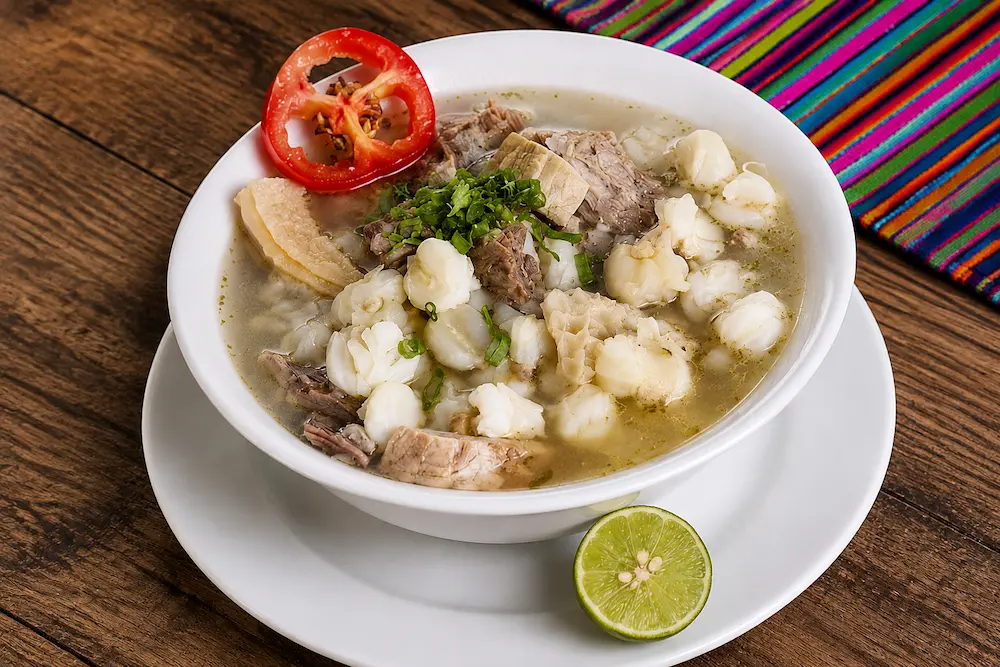
Mote broth is a traditional preparation found in different Andean regions such as Cusco, Ayacucho, and other areas of the Peruvian highlands. Its main ingredient is mote, a type of cooked corn that is part of many traditional recipes throughout Peru.
This preparation usually includes meat, herbs, vegetables, and other ingredients that vary depending on the region where it is made. Its main characteristic is the use of mote as a base ingredient, a food that has accompanied Andean communities for generations.
Besides being a comforting dish, mote broth represents the importance of corn within Peruvian gastronomy. Its preparation keeps alive a tradition where local products play a fundamental role in everyday cuisine.
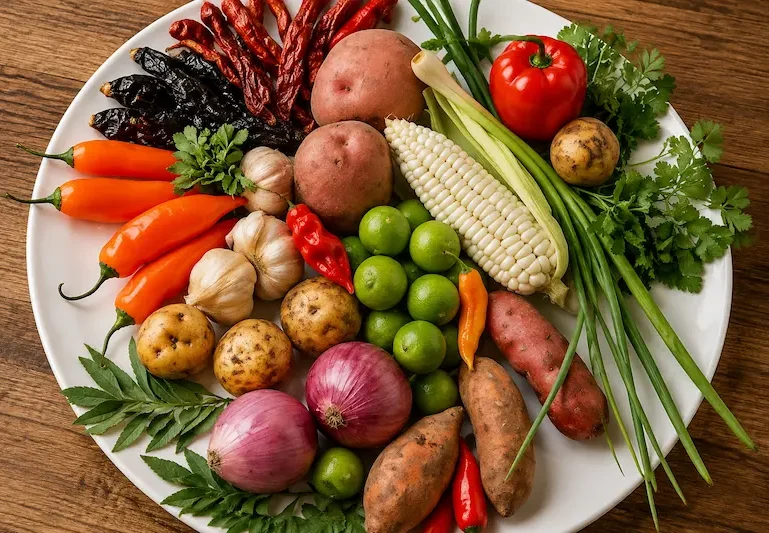
The ingredients used in the typical dishes from the Peruvian highlands vary depending on each region, as geography and local customs directly influence the way food is prepared. Products such as potatoes, corn, quinoa, broad beans, olluco, chili peppers, and different types of meat are part of a gastronomy that maintains a strong connection between Andean communities and their natural resources.
Arequipa’s gastronomy stands out for the use of ingredients such as rocoto, fresh cheese, broad beans, onions, and different types of meat. These products are part of traditional preparations such as rocoto relleno and soltero de habas, reflecting the agricultural richness of the region and the identity of a cuisine known for its intense flavors and preserved cooking techniques.
In Cusco, traditional dishes use Andean ingredients such as potatoes, corn, quinoa, chili peppers, cheese, and meats like guinea pig or chicken. These products are present in preparations such as Chiri Uchu and other recipes connected to local festivities, where gastronomy maintains a close relationship with regional customs and traditions. Exploring this cultural richness can also be complemented with experiences such as a Waqrapukara trek, allowing visitors to discover the landscapes and heritage of the Cusco region.
Junín’s cuisine is characterized by the use of products such as potatoes, corn, broad beans, and meats like pork, chicken, or lamb. These ingredients are essential in preparations such as pachamanca, a representative dish of the region that preserves an ancestral underground cooking technique.
In Ayacucho, ingredients such as potatoes, quinoa, corn, aromatic herbs, and different types of meat are common in traditional recipes. Ayacucho’s gastronomy preserves ancestral techniques that highlight the importance of local products within the daily life of its communities.
Huancavelica’s cuisine takes advantage of products from highland areas such as potatoes, olluco, quinoa, corn, and meats like alpaca or lamb. These ingredients are part of a gastronomy adapted to the territory and the customs of communities that continue preserving their traditional preparations.
Puno’s gastronomy stands out for the use of ingredients such as quinoa, potatoes, chuño, cheese, and trout from its highland lakes. These foods are part of preparations that reflect how altiplano communities have adapted their cuisine to the geographical conditions of the region.
| Dish | Associated region | Main ingredients |
|---|---|---|
| Pachamanca | Junín, Ayacucho, and Huancavelica | Meats, potatoes, broad beans, corn, and Andean herbs |
| Cuy chactado | Arequipa, Cusco, and Ayacucho | Guinea pig, traditional seasonings, and local products |
| Chiri Uchu | Cusco | Chicken, charqui, cheese, rocoto, and corn |
| Rocoto relleno | Arequipa | Rocoto, meat, cheese, and spices |
| Soltero de habas | Arequipa | Broad beans, fresh cheese, onion, and tomato |
| Chicharrón | Cusco and other Andean regions | Pork, potatoes, mote, and traditional accompaniments |
The typical dishes from the Peruvian highlands represent much more than traditional recipes. They preserve the history of Andean communities, the relationship between people and the land, and the knowledge that has been transmitted through generations. Many of these preparations continue to be part of family gatherings, local celebrations, and cultural events.
Food in the Andes is closely connected to traditions, festivities, and the identity of each region. Just as gastronomy preserves ancestral knowledge, cultural experiences such as the Classic Inca Trail allow travelers to discover the history, landscapes, and heritage that continue shaping Peru’s identity.
The preparation of these dishes is not only about combining ingredients but also about maintaining customs that have survived over time. Each recipe tells a story about the communities that created it and the environment that provided the products used in its preparation.
The typical dishes from the Peruvian highlands are a reflection of Peru’s cultural diversity and the connection between communities and their environment. Preparations such as pachamanca, cuy chactado, Chiri Uchu, rocoto relleno, and chicharrón preserve techniques, ingredients, and stories that have been shared for generations.
Discovering these flavors means getting closer to the history of the Andes and understanding how gastronomy can become a way of preserving identity. Each dish represents the traditions of its region and shows how Peruvian cuisine continues to maintain its roots while sharing its richness with visitors from around the world.
Leave a comment