Chat to a Andean Road Peru
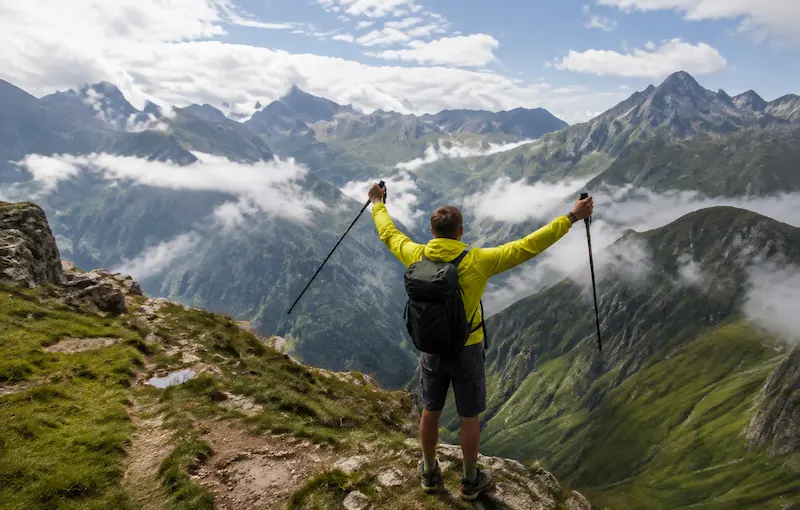
Altitude sickness is one of the situations that some travelers may experience when visiting high-altitude destinations in the Peruvian Andes, such as Cusco, Puno, or Huaraz. These regions stand out for their impressive landscapes, rich history, and unique traditions, but they also require the body to go through an adaptation period due to changes in oxygen availability.
Reaching a destination located several meters above sea level does not mean that everyone will experience difficulties, as each body responds differently. However, understanding its causes, symptoms, and prevention methods allows travelers to prepare better before their trip and enjoy the experience with greater peace of mind.
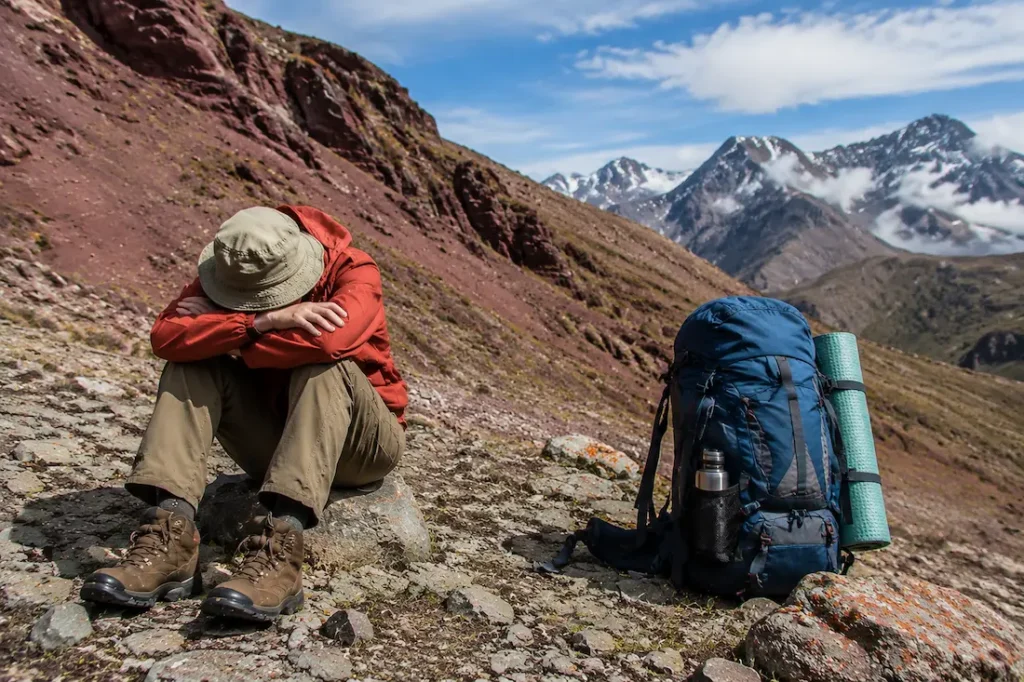
Altitude sickness is a reaction of the body that may appear when a person quickly reaches areas located at a higher elevation and the organism has not yet fully adapted to the new conditions. In these places, atmospheric pressure is lower, which causes the body to receive less oxygen compared to destinations located at lower altitudes.
Also known as soroche, this discomfort usually appears during the first hours or days after arriving at a high-altitude destination. In most cases, symptoms can improve when the body has enough time to gradually adapt through proper rest, hydration, and reduced physical effort.
The appearance of discomfort depends on different factors, such as the speed of ascent, the altitude of the destination, and each person’s ability to adapt. For this reason, some travelers may feel comfortable from the beginning, while others may need more time to adjust to the elevation change.
Although every body responds differently, altitude-related effects may begin to be felt at approximately 2,500 meters above sea level. The possibility of experiencing discomfort increases when the ascent is too fast and there is not enough time for proper acclimatization.
| Approximate altitude | Destination example |
|---|---|
| 2,500 meters | Cusco |
| More than 3,000 meters | Sacred Valley |
| More than 3,800 meters | Puno |
Therefore, before carrying out demanding activities in high-altitude areas, it is recommended to allow the body enough time to adapt and avoid sudden altitude changes.
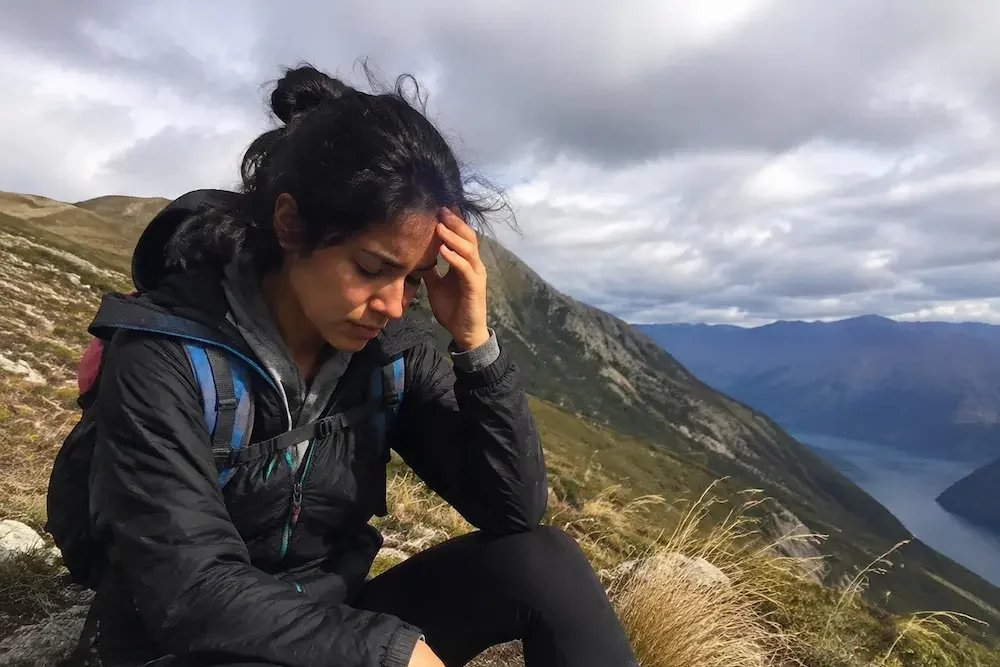
Recognizing the first signs allows travelers to act early and prevent discomfort from affecting their travel experience. Symptoms may vary from person to person, but they usually appear during the first hours or days after arriving at a higher elevation.
In most situations, these discomforts are temporary and may improve as the body adapts. However, it is important to pay attention to the body’s signals and avoid continuing intense activities if symptoms become stronger.
The most common symptoms of altitude sickness appear as a response from the body to changes in oxygen availability. The main discomforts include:
When symptoms are mild, resting, reducing the pace of activities, and staying hydrated can help the body during the adaptation process. However, if discomfort increases or stronger symptoms appear, seeking medical guidance is recommended.
If symptoms such as dizziness, nausea, or headaches appear, it is recommended to stop activities, rest, and avoid unnecessary physical effort. It is also important to stay hydrated and eat light meals while the body adapts to the new conditions.
If stronger symptoms appear, such as severe difficulty breathing, confusion, loss of coordination, or a progressive worsening of the general condition, medical assistance should be requested to receive the appropriate guidance.
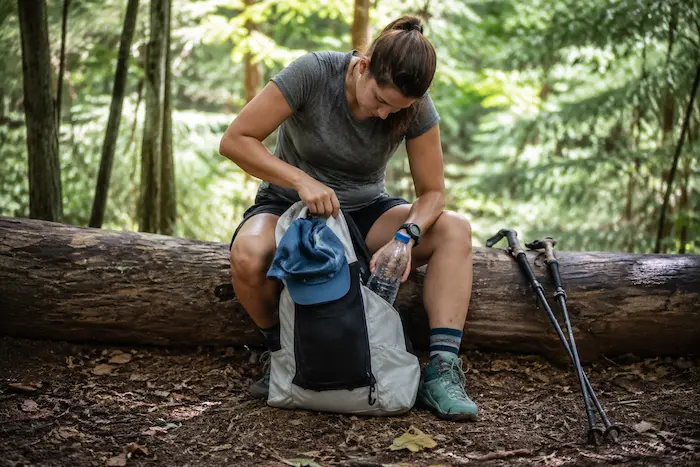
Prevention is one of the best ways to reduce discomfort related to elevation. Proper planning allows the body to have enough time to adapt and prevents travelers from performing overly demanding activities during the first days in a high-altitude destination.
In addition to knowing the altitude of the destination, it is important to organize the itinerary by including rest periods and moderate activities at the beginning of the trip. This makes it possible to better enjoy the landscapes and experiences offered by the Peruvian Andes.
Arriving in a high-altitude destination in advance allows the body to gradually adapt before taking part in long hikes, excursions, or routes that require greater physical effort. During the first hours, it is recommended to maintain a calm pace and avoid putting excessive strain on the body.
A good travel organization also influences the visitor’s experience. Having the support of a specialized travel company can help plan routes, schedules, and activities according to the necessary adaptation times and the conditions of each destination.
Drinking enough water and getting proper rest are important habits during the first days in high-altitude areas. These actions allow the body to function properly and create better conditions for adapting to the new environment.
It is also recommended to avoid excessive alcohol consumption and very heavy meals, as they can increase the feeling of discomfort and make the adaptation process more difficult.
Coca tea is part of an ancestral tradition of Andean communities and is a well-known drink among travelers visiting high-altitude areas in Peru. For generations, it has been consumed as part of local customs related to adapting to elevation.
Although it is an important part of Andean culture, it does not replace essential measures such as proper rest, hydration, and allowing the body to gradually adapt.
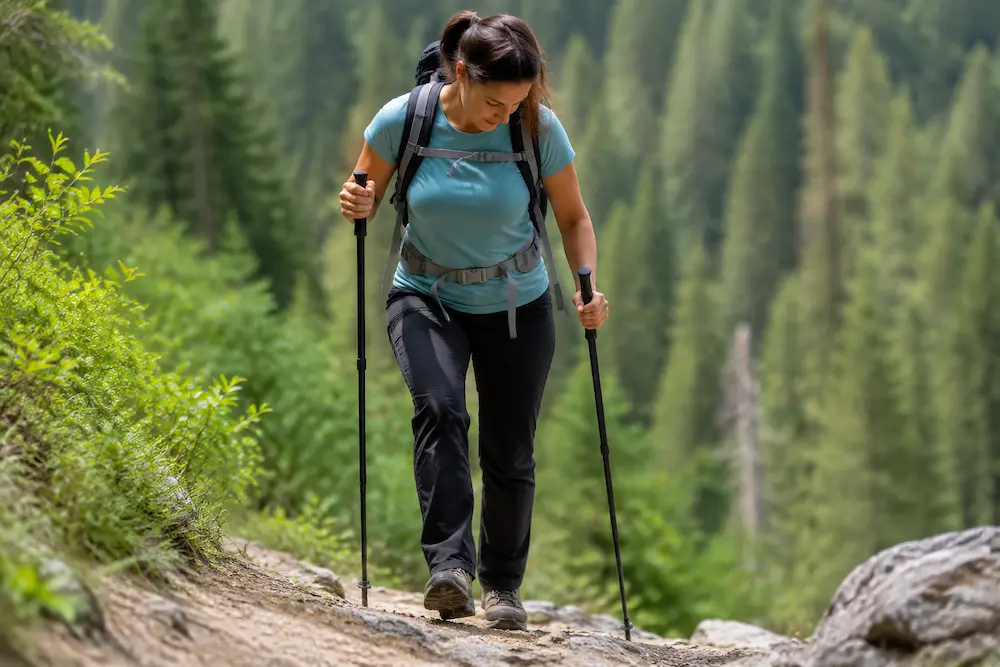
Cusco is one of the most visited destinations in Peru and one of the main gateways to Machu Picchu. Due to its location at more than 3,300 meters above sea level, some travelers may need an adaptation period before taking part in tourist activities or longer routes.
Preparing before visiting this region allows travelers to enjoy the experience more comfortably. Resting during the first hours, staying hydrated, and avoiding intense efforts upon arrival are some important recommendations for exploring Cusco and its attractions with greater ease.
Before taking part in activities such as Machu Picchu tours, it is recommended to consider an adaptation period in Cusco. This allows the body to become accustomed to the altitude before completing routes and walks that require more energy.
Good travel planning helps visitors enjoy every moment of their journey, from the Andean landscapes to the historical richness of Machu Picchu. Organizing schedules, resting properly, and following local recommendations allows travelers to have a more comfortable and complete experience.
For travelers looking for more challenging high-altitude experiences, proper preparation is also essential. Routes such as the Choquequirao trek 5 days require physical preparation, gradual acclimatization, and an understanding of how the body responds to elevation.
Besides Cusco, there are other destinations where travelers should consider altitude adaptation. Puno, located at more than 3,800 meters above sea level, is known for Lake Titicaca and its cultural traditions, while Huaraz is recognized for its mountains, glaciers, and trekking routes in the Cordillera Blanca.
Each destination offers unique experiences but requires proper preparation to enjoy the journey without allowing elevation to limit planned activities. Experiences such as the Waqrapukara trek are also located in high-altitude areas, so allowing enough time for adaptation can help travelers enjoy these landscapes more comfortably.
Traveling through the Peruvian Andes is an opportunity to discover incredible landscapes, ancient cultures, and destinations filled with history. Altitude sickness may affect some travelers, but knowing how to prevent it and how to respond to its symptoms allows visitors to enjoy their journey with greater confidence.
Preparing before the trip, respecting the body’s adaptation process, and following basic recommendations such as resting, staying hydrated, and avoiding unnecessary physical effort are important steps for a better experience. With proper planning, altitude does not have to become a limitation for discovering unique places such as Cusco and Machu Picchu.
The Andes offer unforgettable experiences for those who want to discover Peru’s nature, culture, and traditions. Traveling with the right preparation allows visitors to enjoy every destination more comfortably and make the most of everything Peru has to offer.
Leave a comment