Chat to a Andean Road Peru
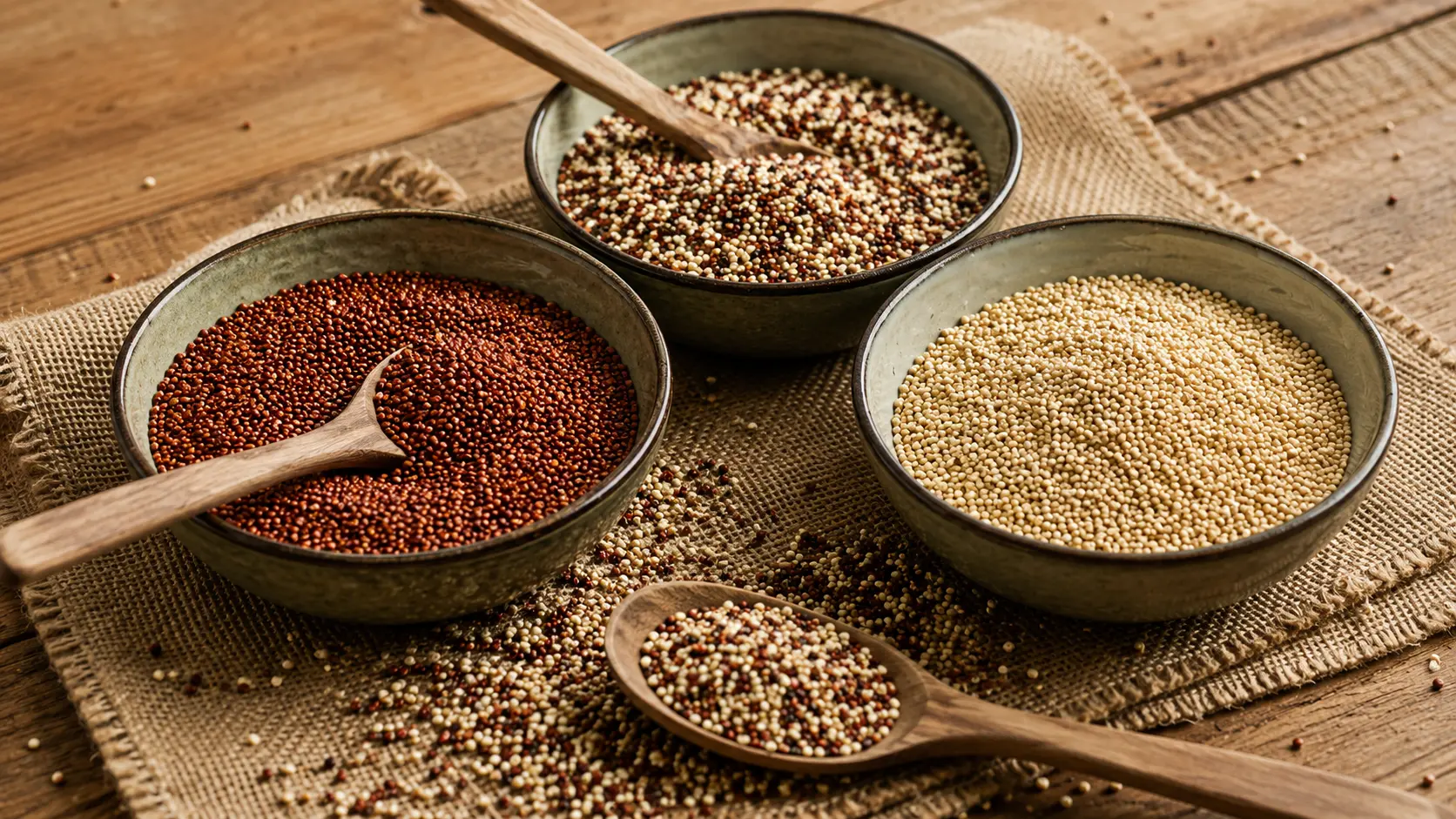
Andean foods represent one of Peru’s greatest agricultural and nutritional treasures. For thousands of years, communities from the Andes have cultivated products adapted to different climates and high-altitude environments, preserving varieties with exceptional nutritional and cultural value. These foods stand out for their natural properties, essential nutrients, and their important role in traditional Peruvian cuisine.
The diversity of Andean foods is closely connected to the richness of the ecosystems found throughout the Andes Mountains. Products such as quinoa, maca, kiwicha, and purple corn are part of an agricultural heritage passed down through generations, where ancestral knowledge has allowed the preservation of unique crops that are now recognized worldwide for their nutritional benefits and versatility.
You my also like:Top 10 Types of Potatoes Most Commonly Found in Peru
Andean foods are products originally cultivated in the highlands of Peru and other Andean regions, where local communities have developed agricultural techniques adapted to challenging environments for centuries. These products stand out because of their ability to grow under specific conditions, their nutritional value, and their importance within traditional diets that have supported Andean populations throughout history.
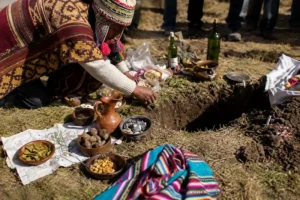
Beyond their role in Peruvian cuisine, Andean foods represent a strong connection between agriculture, culture, and the identity of native communities. Many farmers continue using traditional cultivation methods that help preserve these unique varieties. Travelers exploring Peru with a reliable Peru tour operator can visit local markets and rural areas where these products continue to be an essential part of daily life.
The most important Andean foods stand out because of their combination of nutrients, flavors, and properties that make them valuable ingredients for a balanced diet. Each product has unique characteristics that have been traditionally used by Andean communities to complement their nutrition and maintain a strong connection with the natural resources of their environment.
Learning about the benefits of these foods helps explain why many of them have crossed Peru’s borders and gained international recognition. From nutrient-rich grains to plants traditionally valued for their natural properties, Andean foods provide a wide range of options for incorporating essential nutrients into everyday meals.
You my also like:Top 5 best viewpoints in Cusco
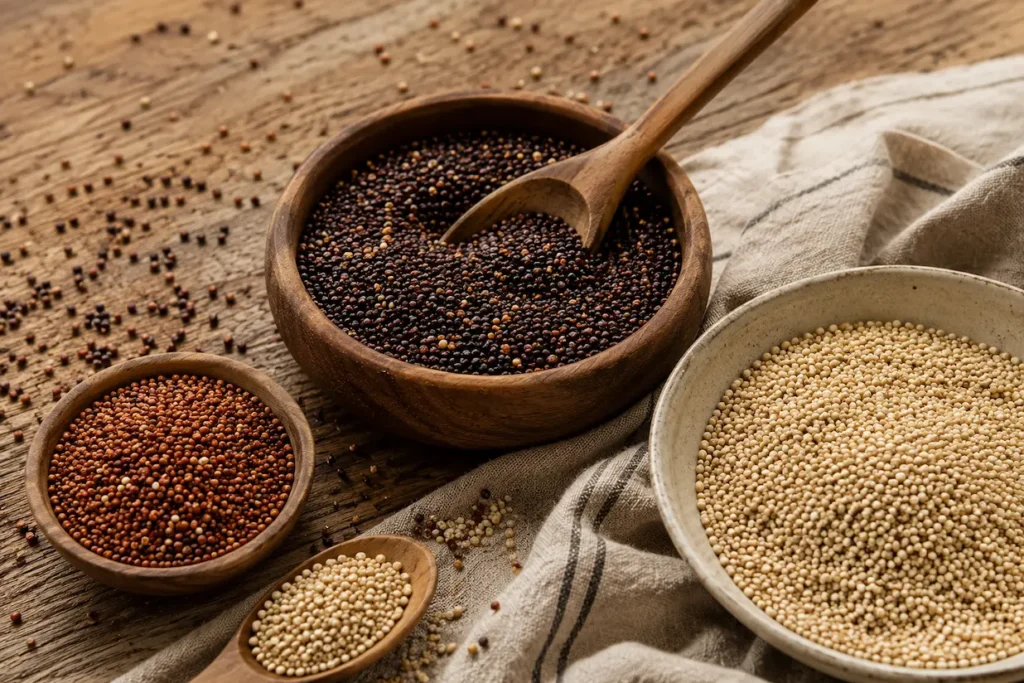
Quinoa is one of the most recognized Andean foods worldwide due to its outstanding nutritional profile. This pseudocereal contains high-quality protein, fiber, minerals such as iron and magnesium, and essential amino acids that contribute to a balanced diet. Its versatility allows it to be used in many preparations, including salads, soups, breakfast dishes, and healthy recipes.
For centuries, quinoa was considered a fundamental food for Andean communities because of its ability to grow in demanding environments. Today, it continues to be valued for its nutritional contribution and for representing a direct connection with Peru’s ancestral agricultural traditions.
Kiwicha, also known as amaranth, is another important Andean food with significant nutritional and cultural value. Its small seeds contain protein, fiber, calcium, iron, and other nutrients that make it an excellent option for complementing a varied and balanced diet.
This ancient crop has been cultivated since pre-Columbian times and remains part of the traditional cuisine of different regions of Peru. It can be found in beverages, nutritional bars, cereals, and various preparations that take advantage of its pleasant flavor and natural properties.
Maca is one of the most representative Andean foods from Peru and stands out for its ability to grow in high-altitude regions where few plants can survive. This ancient root has been traditionally used by Andean communities due to its nutritional value and its important role in local diets for many generations.
Among its main nutritional components are minerals, fiber, carbohydrates, and natural compounds that make it a valued ingredient within traditional Peruvian cuisine. Today, maca is consumed in different forms, including flour, beverages, supplements, and traditional preparations, maintaining its importance as part of Peru’s cultural and agricultural heritage.
You my also like:The chincanas: the mysterious underground tunnels of Cusco
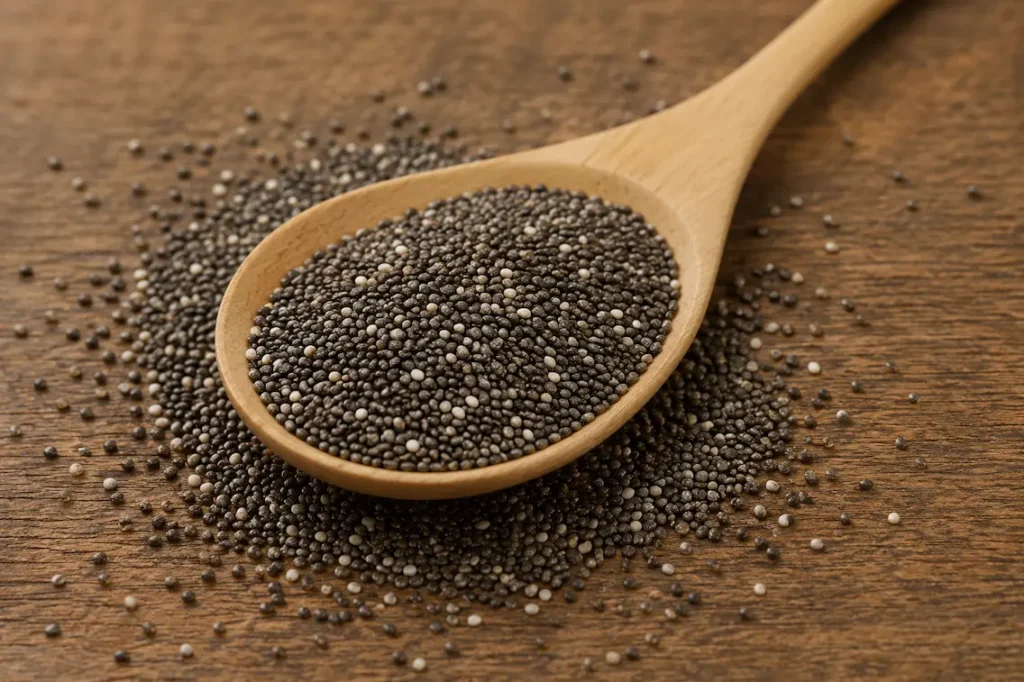
Chia is a seed that belongs to the variety of Andean foods appreciated for its nutritional composition and versatility. It is recognized for providing fiber, plant-based omega-3 fatty acids, protein, and minerals such as calcium and magnesium, making it a valuable ingredient for those looking to maintain a balanced diet.
Its consumption can be incorporated into beverages, yogurts, salads, and healthy recipes due to its ability to complement different types of meals. Beyond its nutritional value, chia represents the historical relationship between Andean communities and the crops that have been used for centuries because of their natural properties.
Cañihua is one of the Andean foods with the greatest recognition for its nutritional contribution and its ability to adapt to the demanding conditions of Peru’s highlands. Similar to quinoa, this small grain stands out for its protein content, fiber, iron, and other essential minerals that make it an important component of traditional diets.
This ancestral product has mainly been cultivated in high-altitude regions where farmers have preserved traditional agricultural practices. Its versatility allows it to be used in soups, beverages, flours, and different recipes, helping maintain an important part of Peru’s agricultural heritage.
Like other products from the Andes, cañihua represents the connection between food and the culture of communities that have protected these crops for generations. Through cultural experiences such as the Waqrapukara trek, visitors can discover traditions where these native foods continue to be an important part of local customs and Andean heritage.
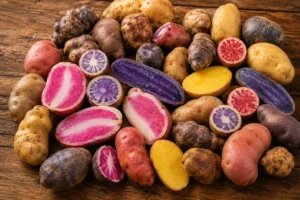
The Andean Potato is one of the most important symbols of Peruvian agriculture and represents the incredible diversity of varieties cultivated throughout the Andes. There are thousands of native potato types with different colors, textures, and flavors, each one adapted to the specific conditions of the regions where they grow.
Beyond its cultural importance, the potato provides carbohydrates, fiber, vitamins, and minerals that make it an essential food in the Peruvian diet. Varieties such as Yellow Potato, Huayro Potato, and Peruanita Potato are used in traditional dishes and represent the agricultural knowledge preserved by Andean communities for centuries.
The conservation of these varieties helps protect Peru’s biodiversity and keeps alive a legacy that continues enriching the country’s gastronomy. Many visits to the main tourist attractions in Peru include traditional markets where travelers can appreciate the diversity of products that come from the Andean regions.
You my also like:7 Famous Dishes from Peru
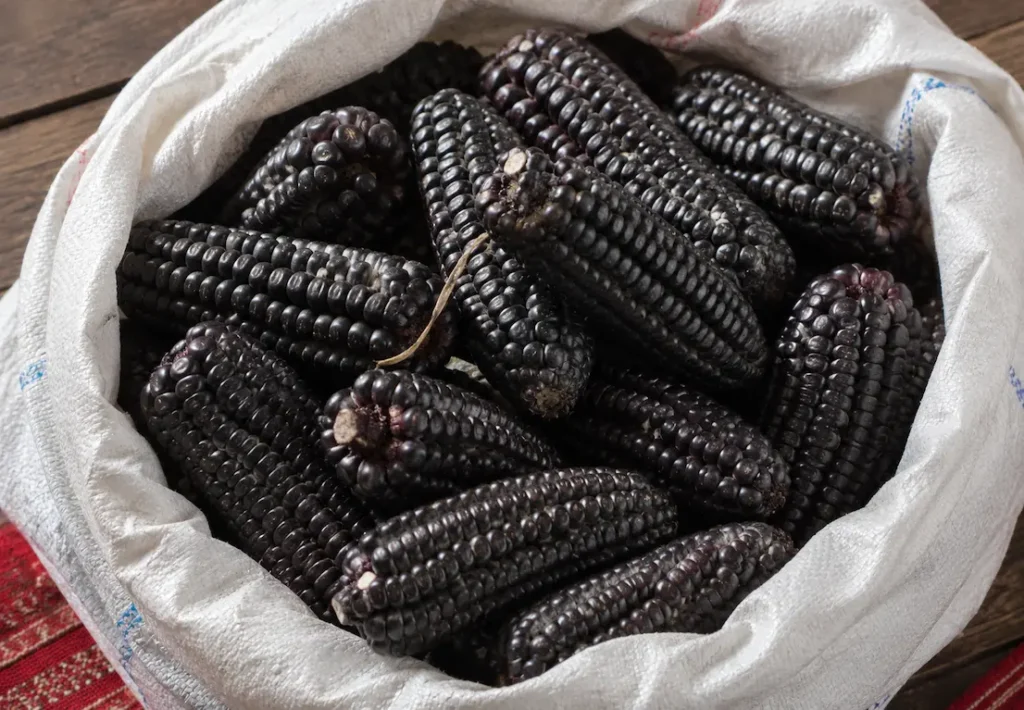
Purple Corn is one of the most representative Andean foods from Peru due to its distinctive color and historical importance in the country’s gastronomy. This variety stands out because of its natural pigments known as anthocyanins, compounds associated with antioxidant properties that give the grain its characteristic deep purple tone.
Traditionally, purple corn has been used to prepare beverages such as chicha morada and different Peruvian desserts. Beyond its culinary value, this product reflects the importance of ancestral crops that have been preserved by Andean farmers for generations, keeping alive an essential part of Peru’s gastronomic identity.
Tarwi, also known as Andean lupin, is one of the Andean foods with remarkable nutritional value due to its high content of plant-based protein. This ancestral grain has been consumed for centuries by Andean communities because of its ability to complement daily diets and provide essential nutrients.
Its traditional preparation includes processes such as soaking and washing to reduce its natural bitter flavor, allowing it to be used in salads, stews, soups, and other regional dishes. Today, tarwi continues gaining recognition as a nutritious and sustainable alternative within Peruvian gastronomy.
Including Andean foods in your daily diet allows you to take advantage of natural products that provide a wide variety of essential nutrients. Thanks to their nutritional composition, these foods can contribute protein, fiber, minerals, vitamins, and other important components that support a balanced diet when combined with healthy eating habits.
Beyond their nutritional benefits, consuming these products helps preserve Peru’s agricultural biodiversity and supports the communities that continue maintaining traditional cultivation techniques. Andean foods are not only sources of nutrients but also represent a connection with the history, culture, and ancestral knowledge of native populations.
| Andean Food | Main Nutrients | Key Benefits |
|---|---|---|
| Quinoa | Protein, fiber, minerals | Supports a balanced diet |
| Kiwicha | Protein, calcium, iron | Complements nutritious meals |
| Maca | Minerals and carbohydrates | Provides energy as part of a healthy diet |
| Chia | Fiber and plant-based omega-3 | Supports healthy nutrition |
| Cañihua | Protein, iron, and fiber | Ancient food with high nutritional value |
| Andean Potato | Carbohydrates, vitamins, and minerals | Traditional source of energy |
| Purple Corn | Anthocyanins and natural antioxidants | Provides nutritional and cultural value |
| Tarwi | Plant-based protein | Nutritious Andean alternative |
Andean foods represent much more than traditional ingredients; they are a reflection of the adaptation, knowledge, and dedication of communities that have cultivated these products for thousands of years. Each food tells a story connected to agriculture, biodiversity conservation, and the relationship between Andean populations and their natural environment.
Today, these products continue playing an important role in Peruvian gastronomy and have gained international interest because of their nutritional qualities and ancestral origins. Choosing these foods means recognizing the work of local farmers, protecting agricultural diversity, and preserving a legacy that represents Peru around the world.
Andean foods represent one of Peru’s greatest examples of natural and cultural richness. Products such as quinoa, maca, kiwicha, Andean potatoes, and purple corn demonstrate how Andean communities have preserved crops with exceptional nutritional and gastronomic value for generations.
Understanding the benefits of these foods allows people to appreciate the importance of protecting ancestral agricultural traditions while incorporating natural products into a varied diet. Supporting the consumption of Peruvian native foods also helps strengthen local producers and preserve a unique biodiversity recognized worldwide.
Leave a comment