Chat to a Andean Road Peru
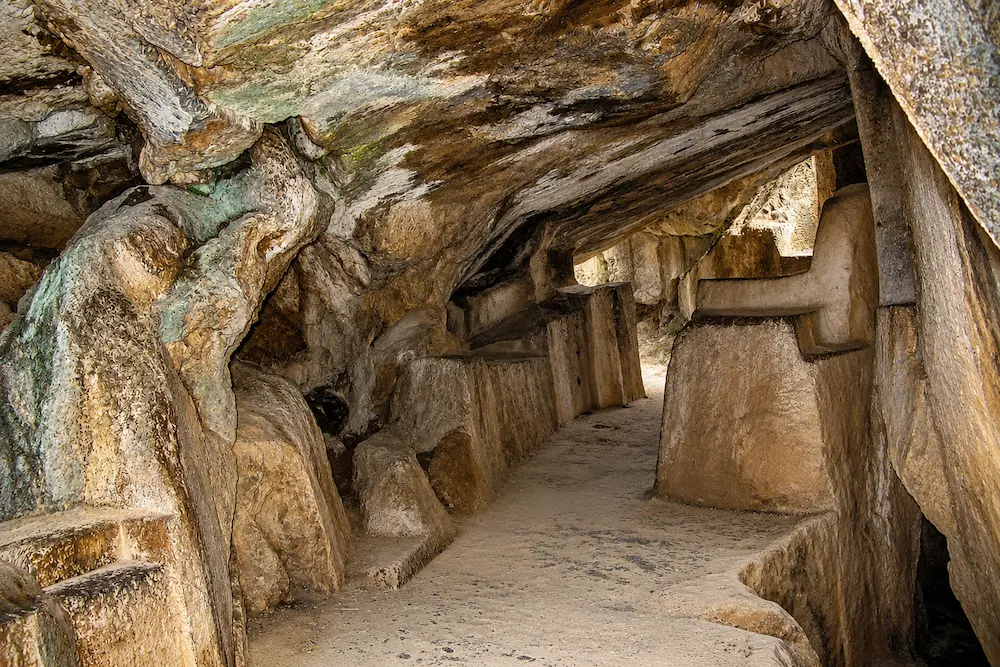
The mythical chincanas represent one of the most fascinating archaeological and cultural enigmas guarded by the ancient capital of the Inca Empire. These complex underground passages, whose origins are deeply buried in time, have aroused the curiosity of chroniclers, travelers, and researchers throughout the centuries. Visiting the imperial city implies not only admiring its imposing stone walls in broad daylight, but also peering into the abyss of its subterranean secrets, where real history blends subtly with the oral traditions that local inhabitants have protected with jealousy for generations.
Plunging into the study of these structures implies opening a window toward a mystical and strategic dimension of Andean engineering that few manage to fully understand. The Cusco subsoil shelters a network of cavities that challenges conventional logic, feeding narratives about hidden treasures and expeditions that never returned to the surface. To understand the true value of these spaces, it is essential to analyze the remains of the chincanas that still remain visible and the way in which the ancient Peruvians transformed natural rock formations into a sophisticated system of internal communication that connected various sacred temples.
You my also like:8 best peruvian cocktails
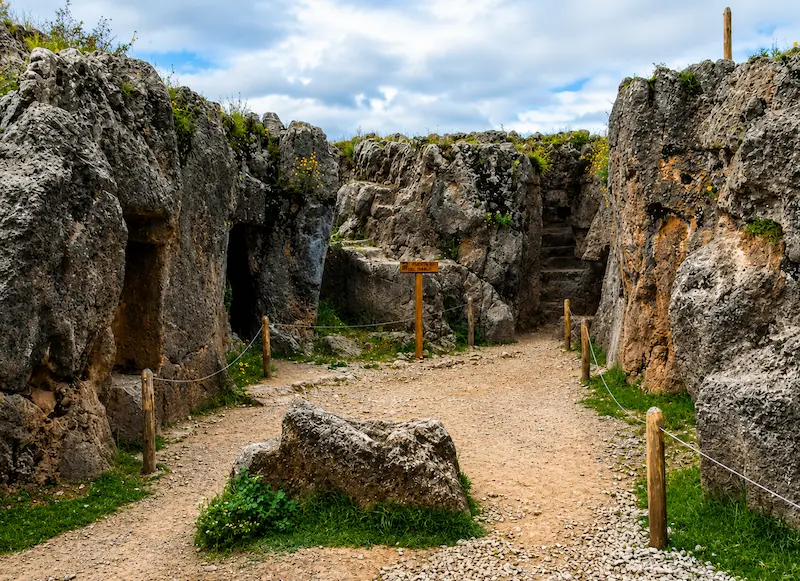
To understand the origin of these underground structures, it is necessary to analyze the etymology of their name and the context in which they were discovered by the first chroniclers. The term comes directly from the Quechua word that makes explicit reference to a labyrinth or deep place where people get lost or hide from the sight of others. Over time, researchers have tried to map these networks that challenge the conventional geography of the sacred valley of the Incas.
The epicenter of these imposing tunnels is located mainly in the Archaeological Park of Sacsayhuamán, one of the most sacred areas of the region. There you can clearly distinguish two very particular sectors popularly known as the chincana chica and its counterpart of larger dimensions. The small version is located a few meters from the famous rock slide and allows current visitors to enter safely and experience the sensation of walking through a dark stone passage for a few brief meters. On the contrary, the large version is located at a greater distance and remains completely sealed due to its dangerous level of depth and extension.
Outside of this archaeological complex, there are records and evidence of ramifications linked to the chincanas in other strategic points of the historical center of the city. It is said that various galleries connected directly with the temple of Qoricancha, the current subsoil of the Church of Santo Domingo, and with the natural labyrhins of Q'enqo. Likewise, the well-known Zone X, situated behind the main temples, presents formations of limestone caverns that demonstrate how the geography of Cusco is interconnected by imposing passages that united the most important buildings of the ruling elite.
When we review the documents of the first Spanish chroniclers, it becomes evident that the chincanas were not simple caves, but masterpieces of engineering from the pre-Hispanic era. To plan a complete archaeological route through these sectors, it is always advisable to count on the advice of a professional peru tour operator that deeply knows the local history of the region. These historical records demonstrate that knowledge of the subsoil was an absolute priority for the administration of the Inca state.
The primary function of these underground passages was intimately linked to the Andean worldview and the sacred concept of the Uku Pacha. For the Incas, the world below or of the dead was not a place of punishment, but a sacred space of emergence and origin of life where the Pachamama lived. For this reason, many of these chincanas had a strictly ceremonial use, serving as spaces for meditation, offerings, and religious initiation rituals where priests connected directly with the chthonic divinities from the depths of the earth.
On the other hand, the civil engineering of the pre-Columbian era also granted these chincanas a clearly strategic and military utility. In times of invasions or internal conflicts, these underground networks functioned as perfect escape routes for the royal family and the army, allowing the discrete mobilization of large human contingents from one point of the city to another. In addition, it is known that they served as secret warehouses or protected deposits where the most valuable assets of the empire were guarded, keeping them safe from the reach of strange looks or unforeseen lootings.
Even the inhabitants of the most distant villages of the sacred valley comment that the chincanas extend for hundreds of kilometers under the mountains. The mystery surrounding their construction lies in the absolute precision with which the original accesses were carved into the solid rock. Many travelers decide to complement this cultural route with an authentic Cusco experience that includes visiting traditional communities to understand how this connection with the earth is still expressed today.
You my also like:7 Famous Dishes from Peru
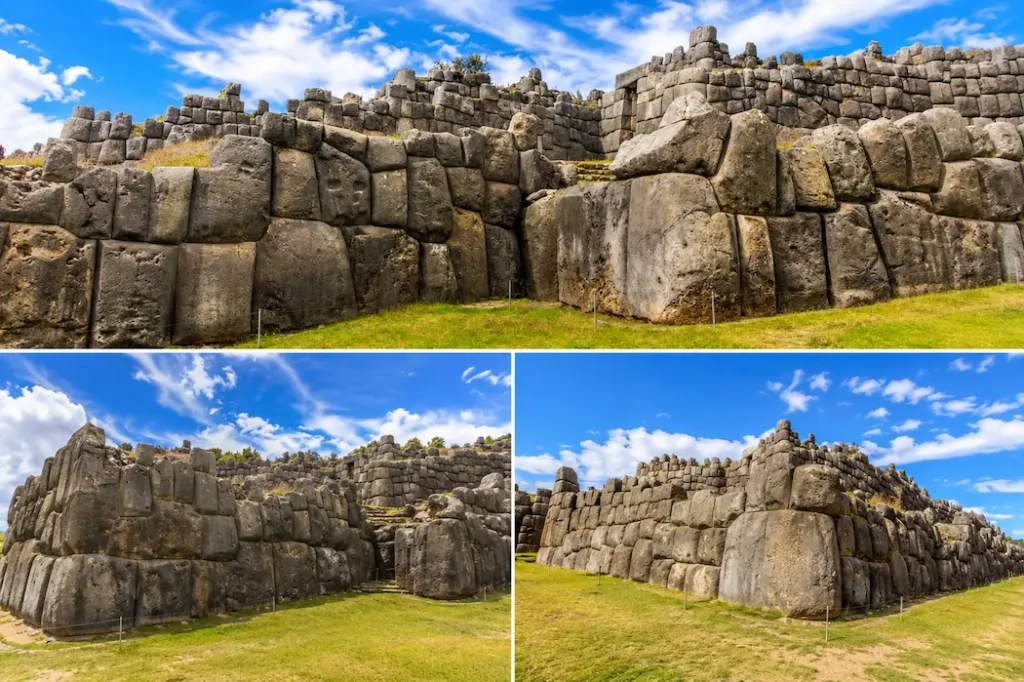
The chronicles of the colonial era are full of testimonies that try to explain the incalculable length of these mysterious stone galleries that cross the imperial city from end to end. The stories about hidden treasures and expeditions that ended in tragedy form part of the cultural identity of current citizens, who look with great respect at the walled accesses. These stories are kept alive thanks to the oral tradition that is transmitted from generation to generation in the oldest neighborhoods.
One of the most famous legends of local folklore narrates the journey of a group of young adventurers who, in the middle of the last century, decided to enter the chincanas with the firm intention of finding the hidden gold of the Incas. Equipped with rudimentary tools, ropes, and candles, the explorers ventured into the total darkness of the tunnel, losing contact with the outside world for several weeks. Despair took hold of the Cusco population when they noticed that the days passed and none of the bold expeditionaries returned to the surface of the city.
The traditional account states that, after a long period of silence in the chincanas, strange knocks were heard under the main altar of the imposing Cathedral of Cusco. Upon removing the heavy stone slabs, the authorities found a single survivor of the original group, who was in an advanced state of malnutrition and with mental faculties visibly altered by the confinement. In his right hand, the man held a cob of corn made entirely of solid gold, clear proof that he had managed to access the ancient royal deposits before getting lost.
Those who dedicate their lives to studying the chincanas maintain that the architectural design responds to a precise astronomical alignment with the main constellations of the Inca sky. In this way, the Andean mysticism points out that these cavities shelter portals toward spiritual dimensions linked to the ancient imperial guardians. These stories continue to feed the interest of anthropologists who seek to understand the symbolic connection between the stars and the underground world of the region.
Given the constant danger represented by these disappearions and the fear of the Catholic Church toward pre-Hispanic cults, the colonial government took drastic measures regarding the chincanas. The magistrates of the time considered that the underground labyrinth of Cusco was a focus of idolatry where the indigenous people continued to worship their ancient ancestors in secret. Therefore, an official order was issued to locate and definitively obstruct all known entrances to these passages that were inside and outside the urban perimeter.
The entrances located in Sacsayhuamán and the basements of the convents built on temples of the chincanas were blocked with tons of rubble, heavy stones, and mortar. With this drastic measure, the viceroyal authorities not only sought to protect the physical security of curious citizens who risked their lives out of greed, but also to bury the ancestral geographical knowledge of the Andean routes. With the passing of the centuries, the vegetation and the constant seismic movements ended up hiding the free accesses naturally.
The preservation of the chincanas is a constant challenge for the Ministry of Culture due to underground water filtrations that weaken the stone foundations. Many adventurous tourists looking for unforgettable outdoor landscapes often combine this archaeological exploration with a challenging Salkantay trek 5 days across massive mountains and cloud forests. Despite technological obstacles, the desire to decipher the complete layout continues to motivate international research projects funded by various scientific institutions.
You my also like: The Society of the Inca Empire
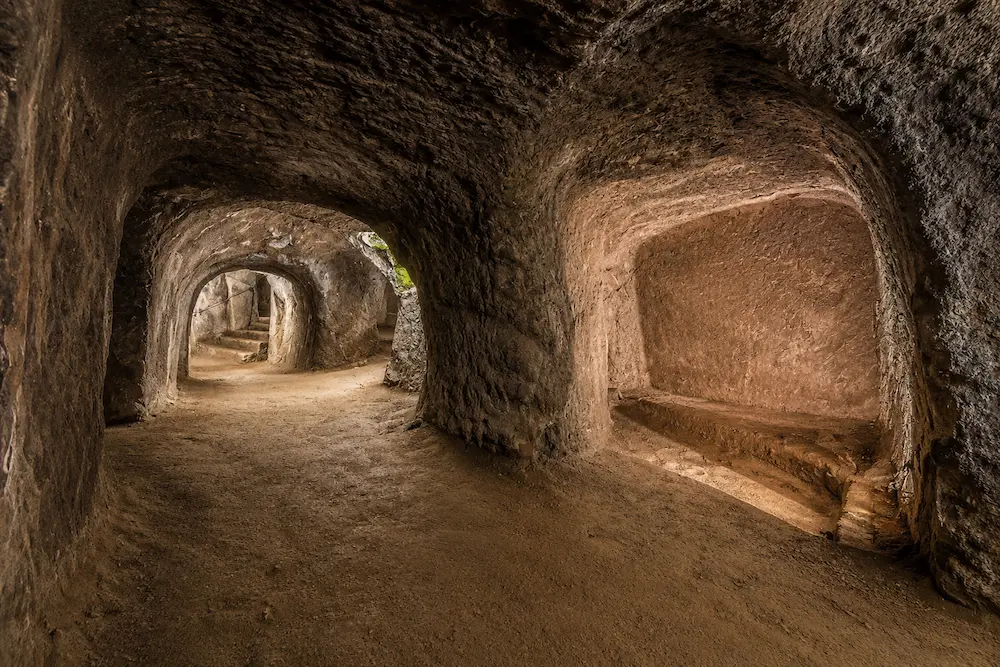
Today, Peruvian cultural authorities maintain strict control over these archaeological sites to avoid accidents and preserve the physical structure of colonial and Inca monuments. The care of these spaces implies the use of advanced technology to monitor the state of the galleries without altering their original composition or risking the safety of researchers. In this way, the heritage of the subsoil remains protected against the passage of time and the inclemencies of the weather.
Finally, the systematic study of the chincanas shows us that our ancestors' knowledge of geology and topography was extremely advanced for their time. Caring for the environment surrounding these monuments guarantees that future generations can continue to marvel at these imposing legacies of the Inca Empire. While the deep accesses remain under the custody of silence, the Andean territory will keep alive the mystical whisper of its fascinating hidden history.
Throughout this journey through the entrails of the Inca capital, it is clear that the history of a civilization is not only written on the great mountains and the temples that touch the sky. The underground world of the Andes possesses its own language and shows us that pre-Columbian architecture was designed to integrate harmoniously with all dimensions of the natural and spiritual environment. Each passage and each stone placed in these dark galleries remind us of the complexity of a culture that knew how to master the landscape in an integral way.
Despite the passage of time, earthquakes, and historical attempts to erase the footprints of the past, these enigmas remain valid in the heart of each inhabitant of the region. The stories of hidden passages that connect great distances will continue to be transmitted from parents to children, ensuring that respect for the sacred is never lost. In the end, these spaces invite us to keep our eyes open and our minds willing to accept that the Peruvian subsoil still holds secrets that modern science is not yet ready to fully reveal.
Leave a comment