Chat to a Andean Road Peru
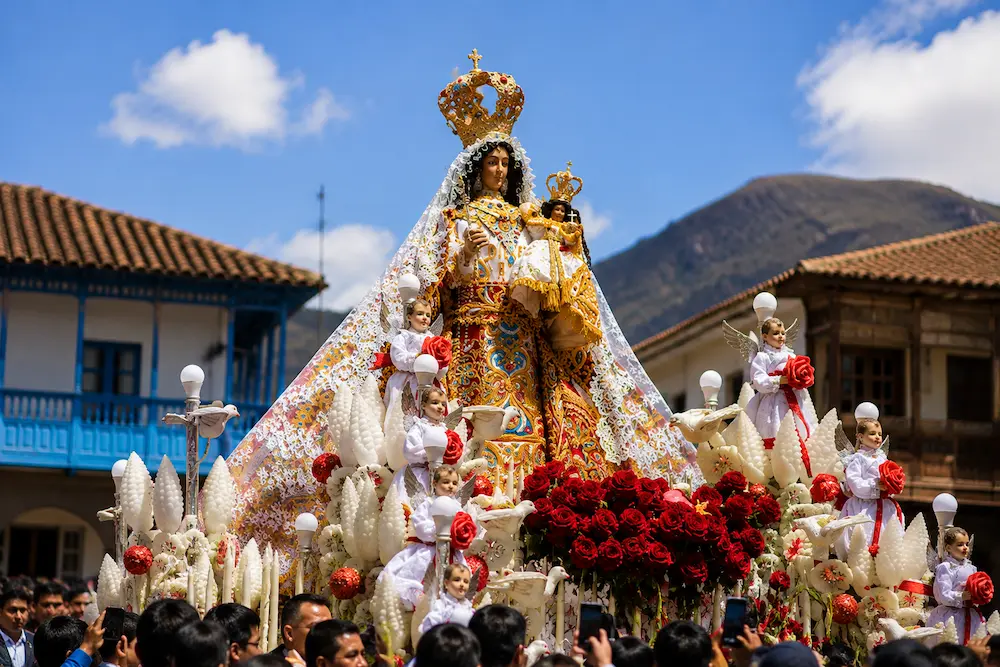
August is one of the most active months for experiencing the cultural traditions of Cusco. During this period, the region hosts religious celebrations, artistic performances, gastronomic activities, local fairs, and community events. For travelers who want to experience more than archaeological sites and historic landmarks, these activities offer an opportunity to discover traditions that continue to be part of everyday life.
The Cusco Festival Calendar August does not refer to a single celebration. Instead, it brings together different events with religious, cultural, gastronomic, and artistic significance. Some take place within the city, while others are held in nearby communities. Understanding the calendar in advance can help travelers organize their itinerary and decide which experiences best match their interests.
The Cusco Festival Calendar August coincides with a period of considerable tourism activity. August falls within the dry season and generally provides favorable conditions for exploring the historic center, visiting archaeological sites, and taking excursions through the surrounding region. However, mornings and nights can be cold because of the altitude, so travelers should be prepared for significant changes in temperature throughout the day.
The Cusco Festival Calendar August is also appealing because it allows visitors to combine traditional celebrations with sightseeing and outdoor activities. The variety of events makes it possible to create different types of itineraries, whether the main interest is religious heritage, local gastronomy, traditional arts, or community celebrations.
The cultural importance of August can also be seen in the continued presence of religious and Andean traditions. Processions, dances, music, community gatherings, and local customs create opportunities to observe how different generations continue to preserve cultural practices.
An important part of the Cusco Festival Calendar August is connected to religious traditions. Processions, religious images, traditional dances, and musical groups reflect a form of celebration in which Catholic faith and Andean cultural expressions coexist.
For travelers, these events can provide a meaningful cultural experience, but they should be approached respectfully. Many celebrations have deep significance for local communities and are not simply performances created for tourism.
You my also like:Top 10 Types of Potatoes Most Commonly Found in Peru
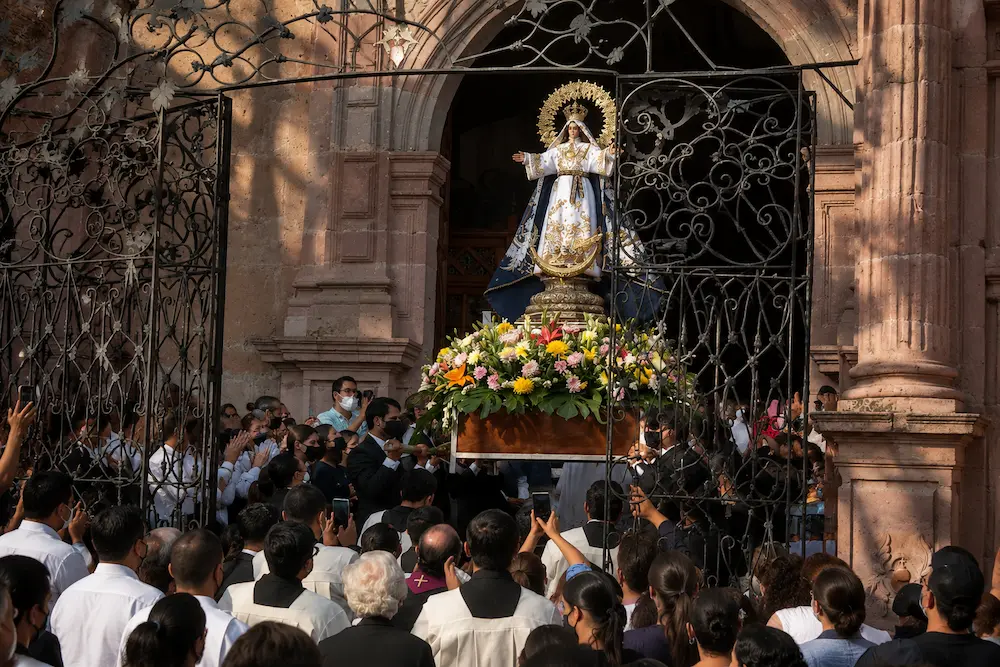
The Feast of the Assumption of Mary is celebrated on August 15 and is one of the notable religious occasions during this period. In different towns and communities, celebrations can include Masses, processions, traditional dances, music, and community activities.
During the festivities, streets may become filled with colorful costumes, musical groups, and dance performances. Processions demonstrate the active participation of local residents and show how religious celebrations can also become important expressions of cultural identity.
For travelers interested in the Cusco Festival Calendar August, this celebration provides an opportunity to observe local traditions in a genuine community setting. Visitors should dress appropriately, respect religious spaces, and check the local program before attending because activities can vary depending on the location.
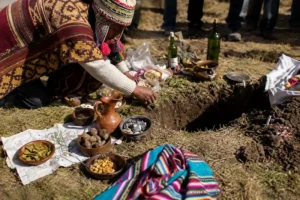
You my also like:The Sacred Pachamama Ceremony in Peru
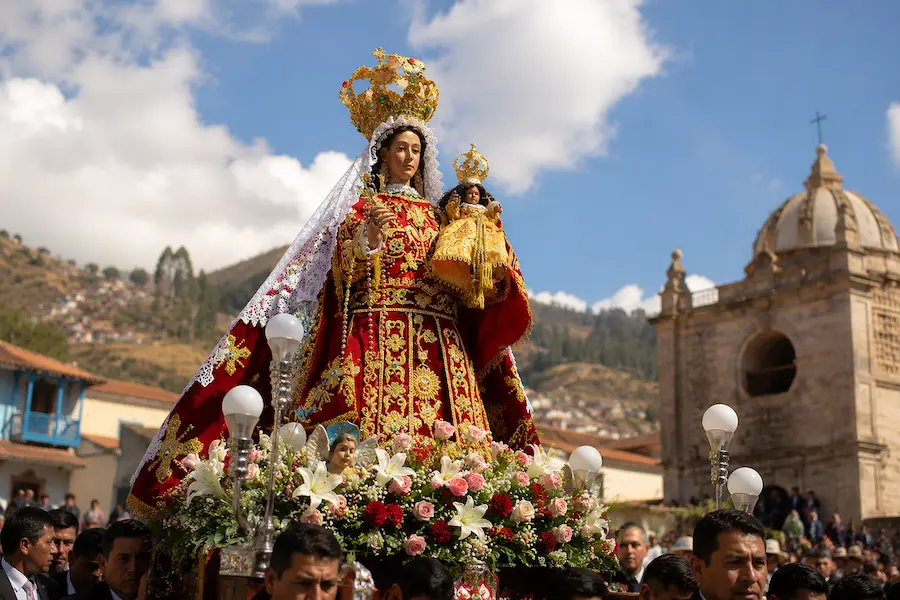
The Festival of the Virgen de Cocharcas brings together religious and cultural elements through processions, music, traditional dances, and community activities. Religious images may be carried through the streets accompanied by musicians and participants, while other areas can host local food and craft activities.
Visitors may have the opportunity to observe local customs, listen to traditional music, and discover products made within the region. As with other religious celebrations, it is important not to interrupt ceremonies or photograph participants and sacred moments without permission.
These celebrations also demonstrate how local communities preserve traditions through collective participation. Rather than being limited to a single ceremony, the festivities can involve several activities that bring together families, musicians, dancers, artisans, and other members of the community.
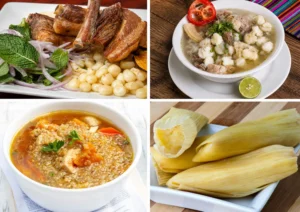
The Cusco Festival Calendar August also provides opportunities to discover the region through food. Gastronomic fairs and culinary activities can introduce visitors to ingredients associated with the Andes and traditional preparations that form part of regional cuisine.
Products such as quinoa, corn, alpaca meat, and native potatoes are closely connected with Andean agriculture and continue to play an important role in local food traditions. Gastronomic experiences can therefore provide more than an opportunity to try new dishes; they can also help travelers understand the relationship between food, agriculture, and local culture.
Some activities may include:
Potatoes are particularly representative of Andean agriculture. Learning about the different types of potatoes found in Peru offers a better understanding of the agricultural diversity that has supported Andean communities for centuries.
The gastronomic side of the Cusco Festival Calendar August can also complement visits to markets and local neighborhoods, where travelers may discover ingredients and preparations that are not always included in conventional tourist itineraries.
You my also like:The chincanas: the mysterious underground tunnels of Cusco
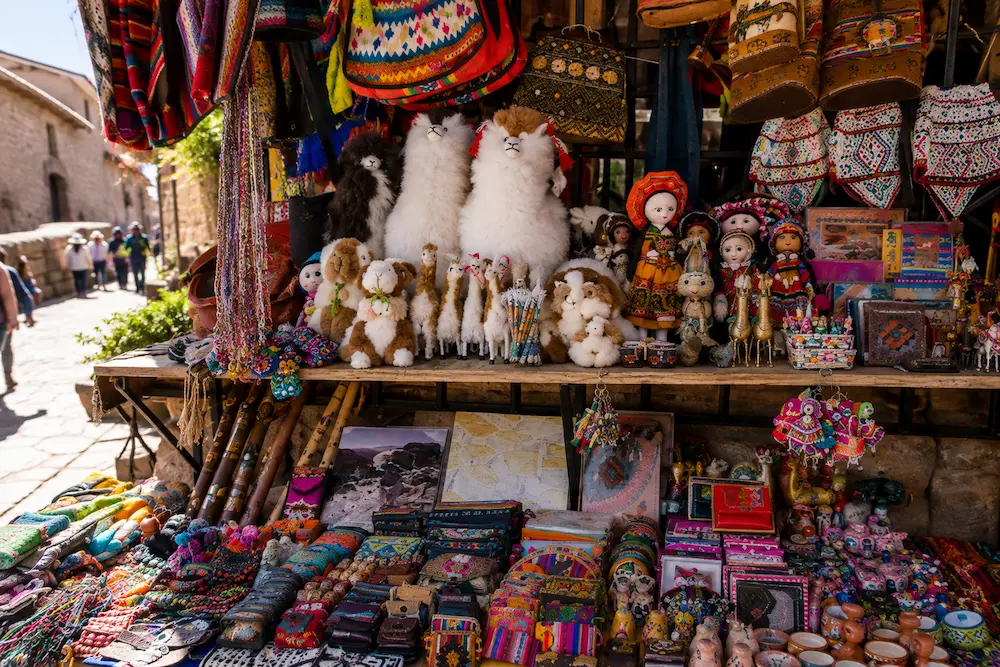
The Cusco Festival Calendar August also includes opportunities to explore local markets and craft fairs. These spaces may feature textiles, alpaca garments, ceramics, jewelry, woven products, and other handmade goods created by local artisans.
Andean textiles are especially notable for their colors, patterns, and traditional production techniques. Some designs incorporate references to nature, community life, or the history of the Andes. In certain fairs, visitors may also observe demonstrations that reveal part of the process behind the creation of these products.
When visiting markets and craft fairs, travelers can consider the following recommendations:
These spaces offer a different perspective on Cusco. Instead of simply visiting a tourist attraction, travelers can observe everyday commercial activity and interact with products that preserve regional techniques and traditions.
Another important aspect of the Cusco Festival Calendar August can be found in cultural parades, musical performances, and traditional activities held in public spaces. Plazas and busy streets may become temporary stages for dancers, musicians, and artists representing different cultural traditions.
Traditional dances are particularly significant because they combine music, clothing, movement, and symbolic elements. Each performance may have a particular history or meaning, demonstrating that Andean folklore is not a single tradition but a diverse collection of cultural expressions.
Travelers who want to explore the region through outdoor experiences can also consider different Inca Trail Treks, which connect visitors with the landscapes and cultural heritage surrounding Cusco.
When attending a public cultural activity, visitors should observe without interrupting the performers, follow organizers’ instructions, and ask permission before taking photographs. Not every event is designed specifically for tourists, so respecting its community character is an important part of responsible travel.
The Cusco Festival Calendar August can also be understood through traditions that reflect the spiritual relationship between Andean communities, nature, and religious beliefs. Qoyllur Rit’i is one of the most significant cultural and religious expressions associated with the region.
Although its main pilgrimage follows a specific religious calendar and is traditionally associated with a different period of the year, activities and references to this important tradition may extend into the wider cultural calendar around late July and early August. Travelers should therefore verify the dates of the specific year they plan to visit.
Qoyllur Rit’i combines Catholic elements with Andean spirituality and beliefs connected with nature. Pilgrims travel toward the sanctuary located in a high-altitude mountain environment, participating in ceremonies, dances, and expressions of devotion along the way.
Because of the altitude and demanding conditions, anyone considering participation should prepare appropriately and obtain reliable information about the route and current conditions. Travelers interested in organizing cultural experiences throughout the region can also work with a Peru tour operator familiar with local routes and activities.
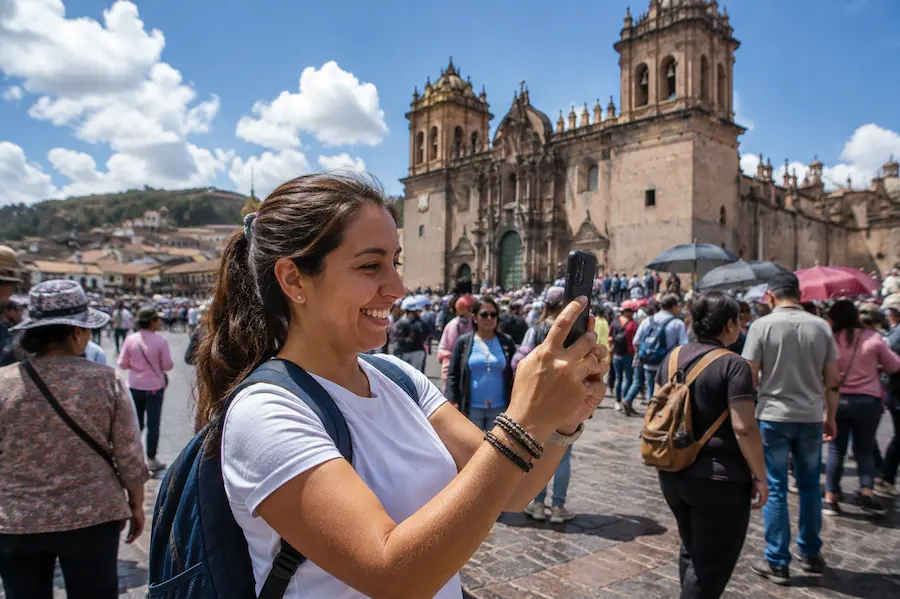
The variety of activities included in the Cusco Festival Calendar August makes advance planning particularly useful. Some celebrations take place on fixed dates, while others depend on local programs that may change from one year to another. Checking the most recent information before traveling can help confirm dates, locations, schedules, and access conditions.
August can also be a busy travel period, so accommodation and certain tourism services may have limited availability. Travelers who already know which celebrations, cultural activities, and excursions they want to experience can benefit from organizing their itinerary ahead of time.
Some useful recommendations include:
The Cusco Festival Calendar August brings together experiences that go beyond a simple list of events. Religious celebrations reveal the relationship between faith and tradition, gastronomy connects visitors with Andean ingredients, markets showcase local craftsmanship, and traditional dances preserve stories and customs passed between generations.
For travelers planning a visit, the Cusco Festival Calendar August can become a useful starting point for discovering different sides of the destination. Planning the itinerary around local activities can also make it easier to combine cultural experiences with visits to Cusco's historic center and surrounding attractions.
Travelers looking for a broader itinerary can explore the Cusco Experience to combine cultural activities with other experiences in and around the city.
The key is to plan ahead, verify updated information, and approach local communities and their traditions with respect. This allows visitors to enjoy the celebrations while recognizing their importance to the people who preserve them.
The following table summarizes the main events and cultural activities discussed in this guide. Dates may vary depending on local programs and the annual calendar.
| Date or period | Festival or activity | What visitors may experience |
|---|---|---|
| August 15 | Fiesta de la Virgen de la Asunción | Religious processions, traditional dances, music, and community activities |
| August, according to local programming | Festival of the Virgen de Cocharcas | Processions, music, dances, crafts, and local food |
| Throughout August | Gastronomic activities and fairs | Traditional dishes, Andean ingredients, tastings, and culinary demonstrations |
| Throughout August | Cultural parades and performances | Music, traditional dances, artistic presentations, and public celebrations |
| Throughout August | Local markets and craft fairs | Textiles, handmade products, crafts, and regional goods |
| According to the religious calendar | Qoyllur Rit’i-related traditions | Pilgrimage, Andean spirituality, music, dances, and ceremonial practices |
Ultimately, the Cusco Festival Calendar August demonstrates that the region's cultural richness cannot be reduced to a single celebration. The combination of religious traditions, gastronomy, craftsmanship, music, dance, and community activities creates multiple ways to understand Cusco.
Exploring the Cusco Festival Calendar August with an open and respectful approach allows travelers to experience the destination beyond its most famous landmarks. By checking updated dates, planning transportation and accommodation, and respecting local customs, visitors can make the most of a month that offers a particularly rich connection with the cultural heritage of Cusco.
Leave a comment