Chat to a Andean Road Peru
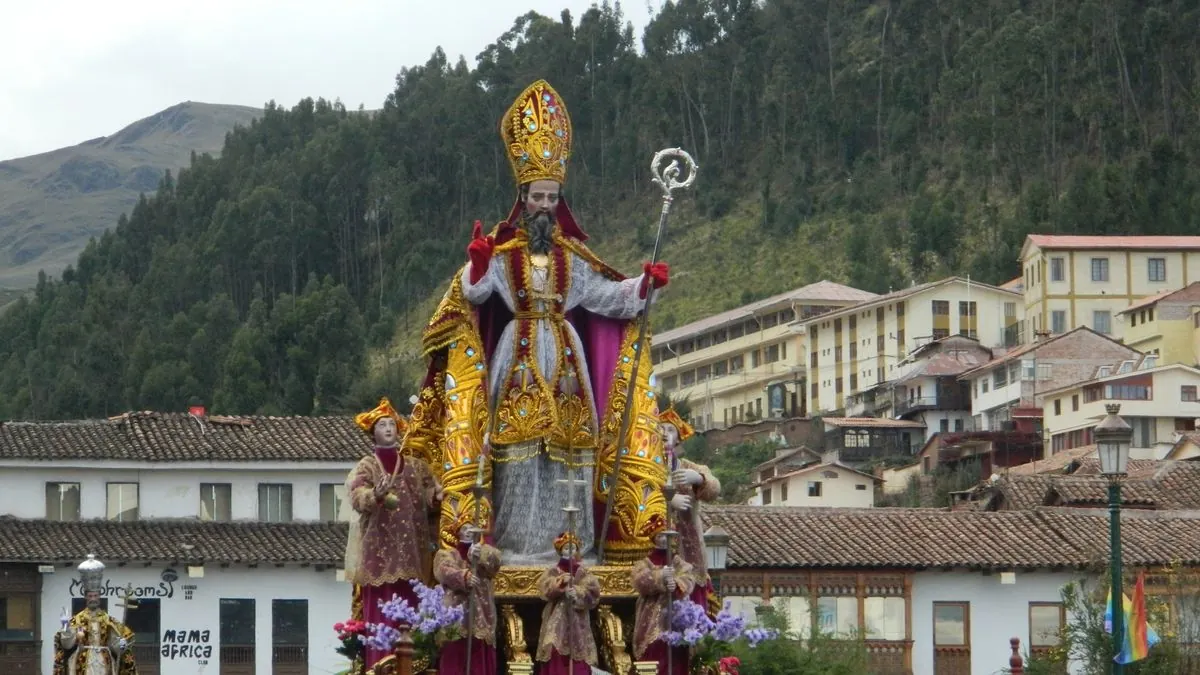
Corpus Christi in Cusco is one of the most important religious and cultural festivals in Peru, attracting thousands of visitors every year. In 2026, this colorful celebration will once again fill the streets of Cusco with traditional dances, sacred processions, live music, and local gastronomy. The festival blends Catholic traditions with Andean customs, creating a unique cultural experience that reflects the rich history of the city. From the gathering of saints and virgins at the iconic Cusco Cathedral to the famous chiriuchu dish, Corpus Christi offers travelers an unforgettable glimpse into the heart of Cusco’s living traditions.
Corpus Christi in Cusco is one of Peru’s most important religious and cultural festivals, bringing together Catholic traditions and ancient Andean customs in a vibrant celebration filled with processions, music, traditional dances, and local gastronomy. During the event, saints and virgins from different districts are carried through the streets toward the historic Cusco Cathedral, attracting thousands of locals and travelers who come to experience the city’s rich cultural heritage and festive atmosphere.
You my also like: Souvenirs from Peru: suthentic keepsakes from the Andes
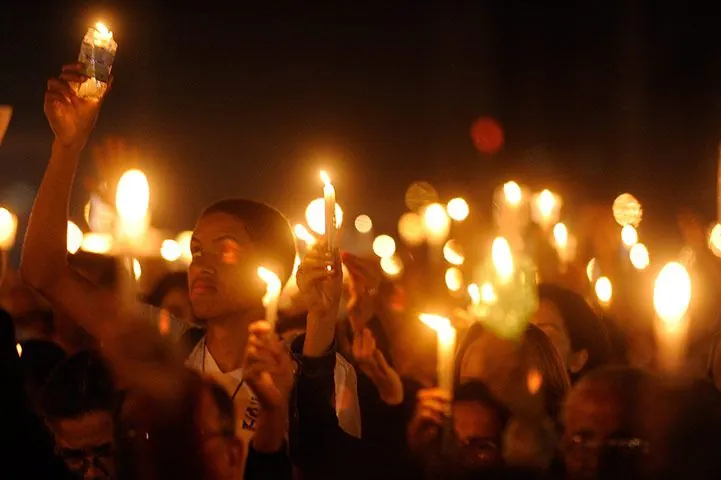
Corpus Christi in Cusco will be celebrated on Thursday, June 4, 2026. The festival follows the Catholic tradition observed 60 days after Easter Sunday. During this important celebration, the streets of Cusco fill with colorful processions, traditional dances, music, and cultural events. Thousands of local and international visitors travel to the city every year to experience the festivities.
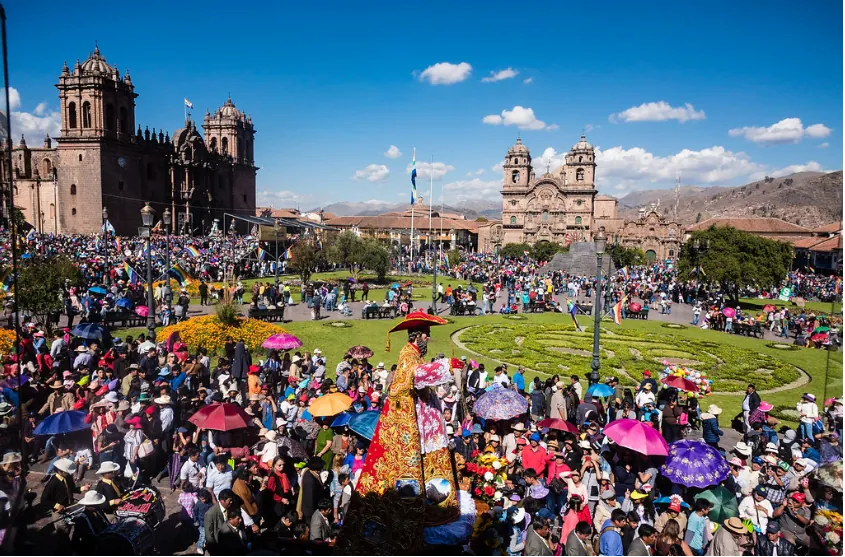
Most activities take place around the historic Cusco Cathedral. Saints and virgins from different districts gather there as part of one of Cusco’s most iconic religious celebrations.
Corpus Christi is one of the most important festivals in Cusco because it combines Catholic traditions with ancient Andean customs. This unique celebration reflects the city’s deep cultural identity and historical heritage. During the festival, thousands of people gather around the historic Cusco Cathedral to watch colorful processions of saints and virgins. Traditional music, dances, and local gastronomy are also part of the festivities.
Beyond its religious meaning, Corpus Christi represents community unity and cultural pride. The festival also helps preserve traditions that have been passed down for generations in Cusco.
Corpus Christi in Cusco is celebrated through a series of religious and cultural activities that bring together local communities and visitors from around the world. The festival transforms the historic center into a vibrant space full of tradition, music, and devotion.
The main procession of Corpus Christi in Cusco is the most important moment of the festival. Every year, it attracts thousands of locals and visitors. During the event, sacred images of saints and virgins from different churches and districts are carried through the historic streets of Cusco in colorful processions.
Each image is accompanied by musicians, dancers, religious groups, and devoted followers dressed in traditional clothing. Together, they create a vibrant and spiritual atmosphere throughout the city.
The procession moves toward the historic Cusco Cathedral, where the sacred figures gather as part of the central religious ceremony. Along the route, people celebrate with music, prayers, flower decorations, and traditional food stands. The event is not only a religious tradition but also a powerful cultural expression that reflects the deep connection between Catholic faith and Andean heritage in Cusco.
During Corpus Christi in Cusco, fifteen sacred images from different districts and churches participate in the famous procession toward the historic Cusco Cathedral. Each saint and virgin represents a local community and carries unique traditions, music, and devotional practices.
Together, these saints and virgins create one of the most colorful and meaningful religious celebrations in Peru, attracting thousands of visitors every year.
Corpus Christi in Cusco takes place mainly in the historic center, where thousands of locals and travelers gather to enjoy the religious processions, traditional dances, and cultural activities. These are some of the best places to experience the celebration and enjoy the festive atmosphere.
The Plaza de Armas is the main stage of Corpus Christi and the most popular place to watch the celebration. Here, the sacred images of saints and virgins arrive surrounded by musicians, dancers, and large groups of devotees. The plaza becomes filled with colorful decorations, traditional performances, and food vendors, creating an unforgettable cultural experience for visitors.
The cathedral is the spiritual center of Corpus Christi in Cusco. During the festival, the sacred figures remain inside the cathedral as part of the religious ceremonies and masses. This historic building also offers visitors the opportunity to admire colonial architecture and learn more about the religious history connected to the celebration.
San Blas is known for its artistic atmosphere, artisan workshops, and narrow colonial streets. During Corpus Christi, the neighborhood becomes more vibrant with music, cultural activities, and traditional decorations. It is an excellent place for travelers looking for a more relaxed environment while still experiencing the local traditions of Cusco.
Located near the Plaza de Armas, Calle Plateros is one of the busiest streets during the festival. Many visitors gather here to watch the processions pass through the historic center while enjoying restaurants, cafés, and local shops. Its central location makes it a convenient spot for taking photos and experiencing the festive energy of Corpus Christi.
Avenida El Sol is one of the main avenues in Cusco and an important area during major celebrations. During Corpus Christi, visitors can find cultural events, local gatherings, and a lively atmosphere surrounding the festivities. It is also a useful route for moving around the city and accessing different parts of the celebration.
Corpus Christi in Cusco is famous not only for its religious processions and cultural traditions, but also for its traditional gastronomy. During the celebration, local families and food vendors prepare iconic dishes from the Andean region. These traditional meals reflect the strong connection between food, community, and local heritage.
Chiriuchu is the most representative dish of Corpus Christi in Cusco and one of the main attractions of the festival. Its name means “cold spicy food” in Quechua, and it combines ingredients such as chicken, guinea pig, sausage, cheese, corn, seaweed, fish roe, and rocoto. The dish symbolizes the cultural fusion between Andean and Spanish traditions and is usually served cold during the celebration. Many visitors travel to Cusco specifically to try this unique traditional meal.
Roasted guinea pig, known as cuy al horno, is one of the oldest traditional dishes in the Andes. During Corpus Christi, it is commonly prepared for family gatherings and festive meals. The cuy is seasoned with local spices and roasted until crispy, then served with potatoes, corn, and salad. For many travelers, trying cuy is an important cultural and gastronomic experience in Cusco.
Tamales are a popular food during religious festivities and community celebrations in Peru. In Cusco, they are made with corn dough filled with pork, chicken, cheese, or spices, wrapped in corn husks, and steamed slowly. They are often enjoyed as a breakfast or snack during the festival days and can be found in local markets and street food stalls.
Choclo con queso is a simple but traditional Andean snack made with large corn kernels and fresh local cheese. Although it is easy to prepare, it remains one of the most popular comfort foods during festivals in Cusco. Visitors often enjoy it while walking through the streets and watching the Corpus Christi processions.
Lechón, or roasted pork, is another traditional dish commonly served during important celebrations in Cusco. The pork is marinated with local herbs and spices before being slowly roasted for several hours. It is usually accompanied by potatoes, tamales, and salads, making it a hearty and flavorful meal enjoyed by families and visitors during Corpus Christi festivities.
You my also like: Traditional Peru dances: a cultural guide
Visiting Corpus Christi in Cusco can be an unforgettable cultural experience if you prepare properly. These practical tips will help you enjoy the celebration more comfortably and safely.
Choosing the right clothing for Corpus Christi in Cusco is important because the celebration often includes long walks, large crowds, and changing weather conditions. Most activities take place outdoors around the historic center and the Plaza de Armas of Cusco. For this reason, visitors should wear comfortable clothing and be prepared for sunny afternoons and cooler evenings.
Corpus Christi in Cusco usually lasts several days, with the main celebrations taking place during an important week in June. The festival begins with the arrival of saints and virgins from different districts, followed by religious ceremonies, traditional dances, music, and cultural events around the historic Plaza de Armas of Cusco and the Cusco Cathedral. The celebration ends with the return procession, when the sacred images are carried back to their churches, marking the conclusion of one of Cusco’s most important cultural and religious festivals.
Corpus Christi in Peru originated from Catholic traditions introduced by the Spanish during the 16th century. The celebration was created to honor the presence of Christ in the Eucharist and quickly became one of the most important religious festivities in the country.
In Cusco, the festival gradually blended with ancient Andean beliefs and ceremonies that existed before the Spanish arrival. This fusion created a unique cultural expression that is still celebrated today.
Over time, Corpus Christi in Cusco evolved into a celebration that represents both religious devotion and Andean identity. Indigenous communities incorporated traditional music, dances, clothing, and local customs into the Catholic festivities, transforming the event into a symbol of cultural fusion. Today, the procession of saints and virgins through the streets surrounding the historic Cusco Cathedral remains one of the most important cultural and spiritual traditions in Peru.
Corpus Christi in Cusco is culturally important because it reflects the fusion of Catholic traditions and ancient Andean customs that have shaped the identity of the region for centuries. Through traditional dances, music, processions, and community participation, the festival preserves ancestral practices while honoring religious devotion. Around the historic Cusco Cathedral, local communities come together to celebrate their heritage, strengthen social bonds, and keep alive one of the most meaningful cultural traditions in Peru.
Choosing the right place to stay in Cusco during Corpus Christi can help you enjoy the festival more comfortably. Since many activities take place in the historic center, staying near the main celebration areas is highly recommended.
Yes, Corpus Christi in Cusco is worth visiting. It offers a unique cultural and religious experience in Peru. The festival includes colorful processions, traditional dances, live music, and local gastronomy. These events take place around the historic Plaza de Armas of Cusco and the Cusco Cathedral. Visitors can see the fusion of Catholic and Andean traditions. They can also enjoy an authentic cultural experience. Corpus Christi becomes one of the most memorable events in Cusco.
Experience Corpus Christi in Cusco with colorful processions, Andean traditions, gastronomy, and unforgettable cultural celebrations in Peru.
You my also like: 10 typical peruvian drinks
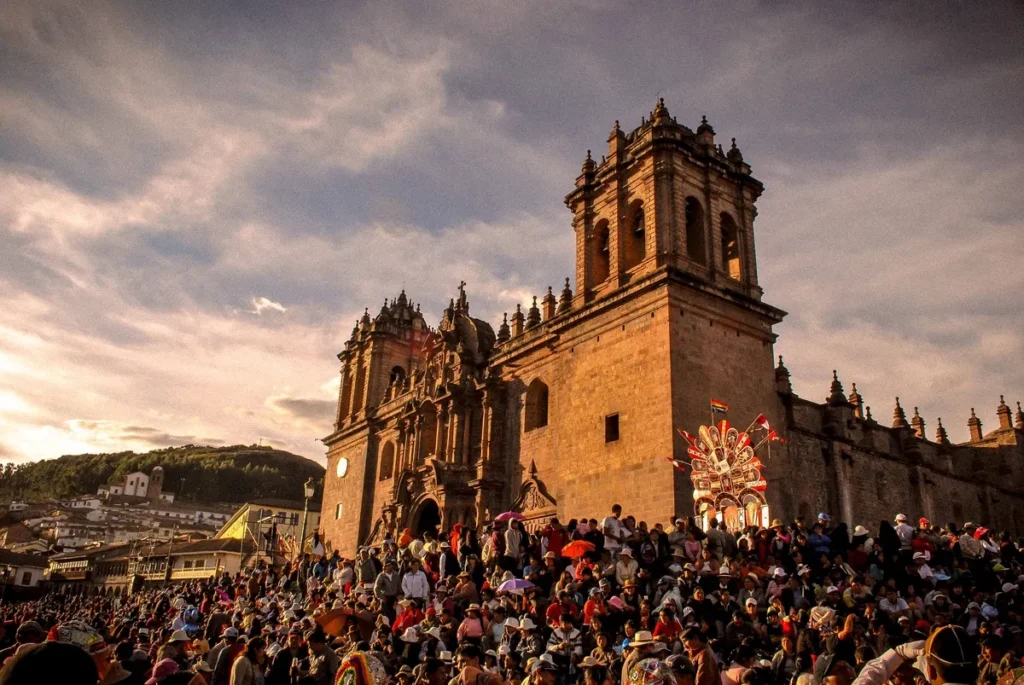
Corpus Christi in Cusco is much more than a religious festival; it is a living celebration of history, faith, music, gastronomy, and Andean culture. From the impressive processions around the Plaza de Armas of Cusco to the traditional dishes and vibrant community spirit, the festival offers visitors an unforgettable cultural experience. Whether you are interested in local traditions, photography, history, or authentic Peruvian celebrations, Corpus Christi is one of the best times to discover the true essence of Cusco and connect with the rich heritage of the Andes.

Hi, I'm Kevin, a Peruvian who loves Andean cultures and is proud of my country. On this blog, I share useful and reliable information so you can discover Peru's history, nature, and authentic traditions.
Leave a comment


'/%3E%3Cpath%20fill='%23b2b2b2'%20d='M241%20382q0%2016%2017%2026%2017%2011%2042%2011t42-11q16-11%2017-26V269H241'/%3E%3Cpath%20fill='%239f7e00'%20d='M241%20379q0%2014%208%2023%209%209%2021%209%2014%200%2021-9%209-9%209-23V269h-59'/%3E%3Cpath%20d='M241%20339v-70h59v110q0%2014-9%2023l-6%205v-68h-15v72q-8%200-14-4v-68zm59%2040c0%2022%2015%2032%2029%2032%2021%200%2030-18%2030-32v-40h-59'/%3E%3Cpath%20fill='%239f7e00'%20d='M266%20277v5h2v12h-3v-5h2v-5h-9v5h2v5h-4v9h3v18h-5v10h34v-10h-5v-18h3v-9h-4v-5h2v-5h-9v5h2v5h-3v-12h2v-5zm42%20101q0%2010%206%2017%206%206%2015%207%2010-1%2016-7%206-7%206-17v-29h-43'/%3E%3Ccircle%20fill='%230044ad'%20cx='329.5'%20cy='372'%20r='6'/%3E%3Cellipse%20fill='%230044ad'%20cx='300'%20cy='340'%20rx='16'%20ry='21'/%3E%3C/svg%3E)