Chat to a Andean Road Peru
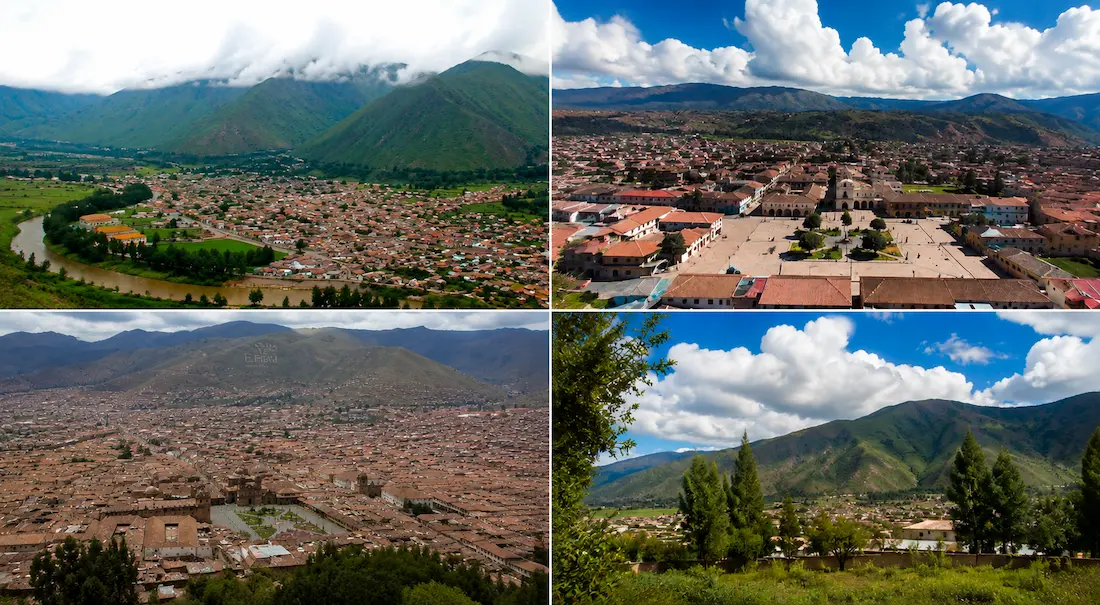
When people think about Cusco, they often picture the Historic Center, Inca architecture, and the city’s most famous attractions. However, the province includes many districts, each with its own geographical, cultural, and historical characteristics. In this article, we have selected eight Cusco districts to highlight their location, main features, and the aspects that may be interesting for travelers visiting the region.
This selection offers a broader view of the territory, from historical areas to places known for Andean landscapes, traditional food, and urban life. Each of these Cusco districts has a particular identity, and understanding these differences can add context to a trip through the city and its surroundings.
The province of Cusco includes several districts that form part of a territory shaped by history, cultural traditions, and geographical diversity. For this article, we have selected eight Cusco districts: Cusco, Ccorca, Poroy, San Jerónimo, San Sebastián, Santiago, Saylla, and Wanchaq. This selection brings together different types of places.
Some Cusco districts are closely connected to the city, while others preserve rural landscapes, ancestral routes, traditional cuisine, or local heritage. Together, they show how the province combines historic spaces, neighborhoods, and countryside communities.
The district of Cusco is located in the central part of the province and contains much of the historical and cultural heritage associated with the city. This is where the Historic Center is located, with Inca remains standing alongside colonial buildings. The Main Square, Qorikancha, the Cathedral, and numerous streets, churches, and traditional houses form part of an area that reflects different periods of Cusco’s history.
Its importance is connected to its role as the capital of the Inca Empire and to its colonial transformation. Today, the district combines this heritage with restaurants, markets, shops, and cultural spaces that are part of everyday life. It also serves as a starting point for trips to many destinations around the region.
Cusco also serves as a starting point for several trekking experiences beyond the city itself. Travelers who have more time for outdoor activities can include longer routes in their itinerary, such as Choquequirao, which requires additional planning and several days dedicated to the route.
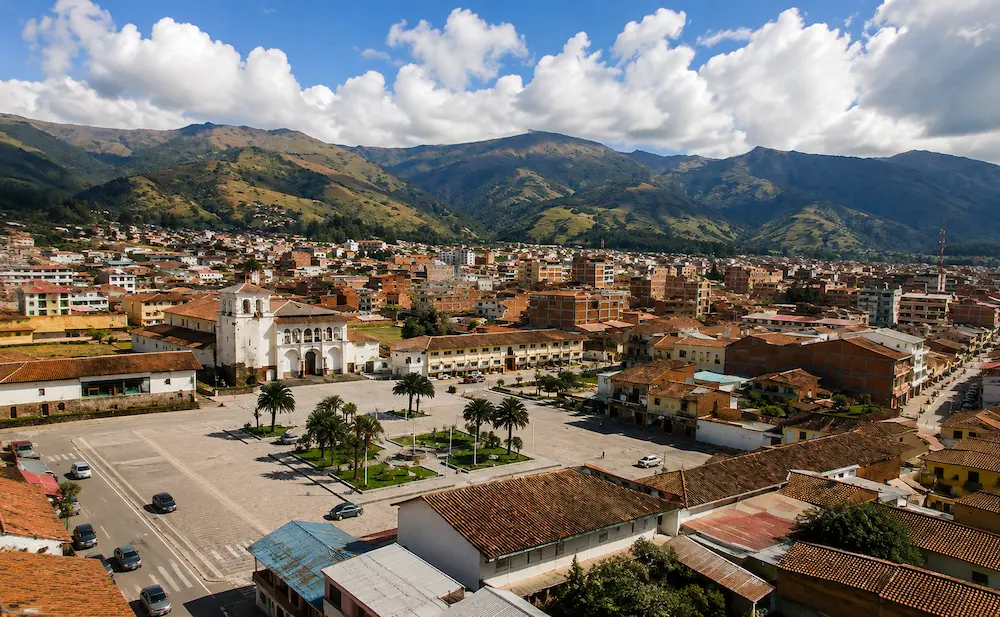
Poroy is located northwest of the city of Cusco and forms part of the area connecting the regional capital with its rural surroundings. The district preserves Andean landscapes and elements associated with ancient communication and transportation systems. Among them is the Qhapaq Ñan, whose presence reflects the importance of roads in the organization of the Andean territory.
It also has historical places such as the La Fortaleza Aqueduct, along with rural areas and local traditions. Poroy is one of the Cusco districts that can add a quieter perspective to a trip, particularly for travelers interested in landscapes, history, and the relationship between communities and their surroundings.
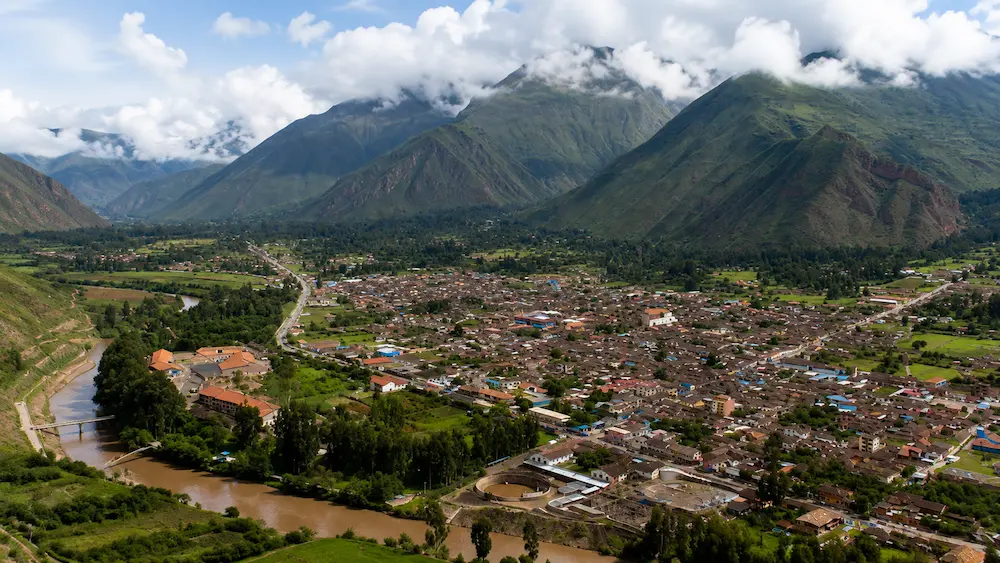
San Jerónimo is located in the southeastern part of the city of Cusco and forms part of the province’s urban area. Its history is closely connected with the development of the city and with different expressions of religious and cultural heritage. One of its main landmarks is the San Jerónimo Church, a building known for its architectural features and importance within the local heritage.
The district combines historical spaces with neighborhoods, commercial activities, and residential areas. Within the Cusco districts, San Jerónimo shows how historic elements remain integrated into the contemporary city.
Ccorca is located southwest of the city of Cusco and has a landscape shaped by the Andes, natural formations, and places connected with the history of local communities. Its surroundings offer a different perspective of the province, with rural areas where the landscape plays an important role and where traditional ways of life remain visible.
Among its points of interest are the Tecsecocha cliffs, known for their rock formations and natural scenery. It also preserves elements associated with ancient Andean routes and local traditions. Among the Cusco districts, Ccorca stands out for its combination of nature, rural landscapes, and cultural heritage away from the busiest areas of the city.
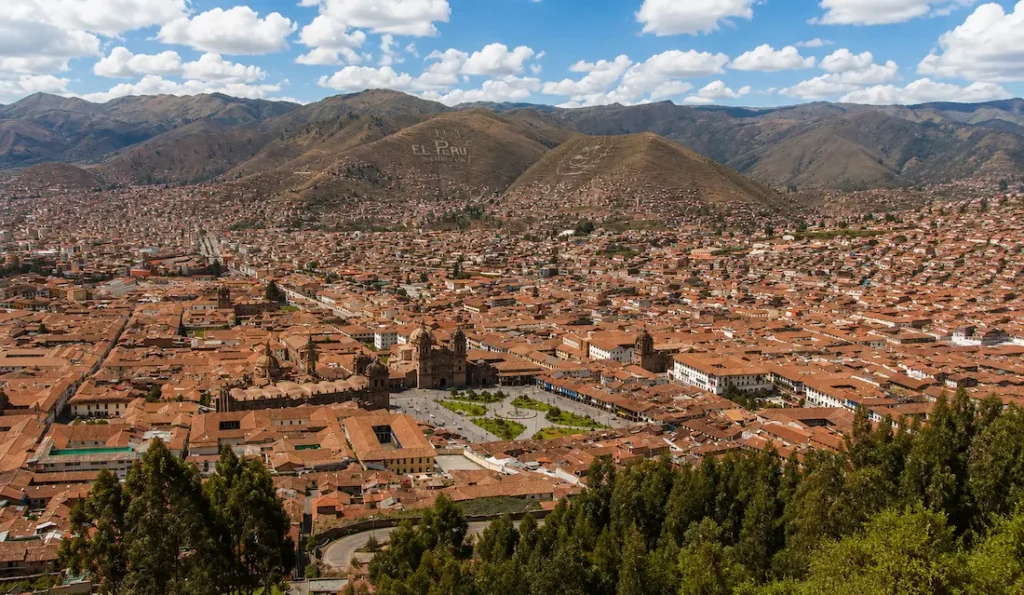
San Sebastián is located in the southeastern part of the city of Cusco and is one of the districts forming part of the province’s urban surroundings. It has an important historical and religious heritage, visible in its architecture and in places associated with local traditions. The San Sebastián Church is one of its main heritage landmarks and reflects part of the historical development of this area.
The district is also connected with archaeological areas and traditional sectors. Its heritage extends beyond the Historic Center and remains integrated with the modern city. For travelers interested in the Cusco districts and their cultural background, San Sebastián provides another perspective on the region’s history and traditions.
Santiago is located in the southwestern part of the city of Cusco and forms part of the province’s urban area. Its development is connected with the growth of the city and with religious and cultural traditions that remain part of Cusco’s identity. The Santiago Church is one of its main historical and architectural landmarks.
Beyond its religious heritage, the district includes neighborhoods and areas where daily local activity takes place. Santiago therefore represents another urban side of the Cusco districts.
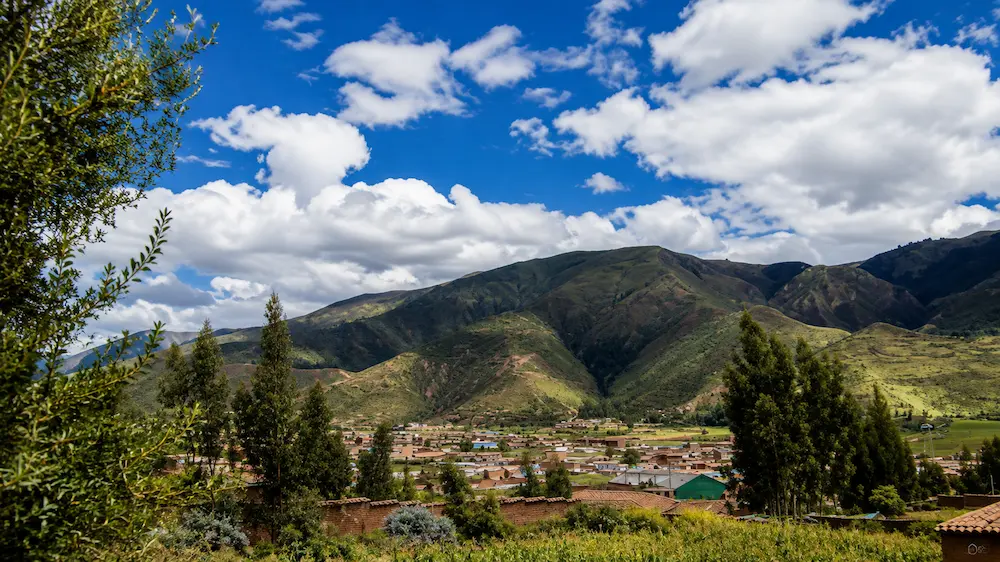
Saylla is located southeast of the city of Cusco and has a strong connection with traditional cuisine. The district is particularly known for its pork chicharrón, a dish that forms part of the local culinary identity and has given the area recognition among people looking for traditional flavors from the region.
Its gastronomic tradition is complemented by restaurants and countryside-style establishments serving regional dishes. Among the Cusco districts, Saylla has a particularly strong food identity, making it a relevant stop for travelers who want to include regional cuisine and local traditions in an itinerary around the city.
Wanchaq is located in an urban area near Cusco and is characterized by residential, commercial, and service activities. Its location keeps it closely connected to the Historic Center and to other important parts of the city. It is an area integrated into the daily rhythm of Cusco and visited by both residents and travelers.
Unlike districts with more historical monuments, Wanchaq represents a contemporary side of the city. Its streets, restaurants, shops, services, and residential areas reflect present-day Cusco and its urban growth. This makes Wanchaq an important part of the urban side of the Cusco districts.
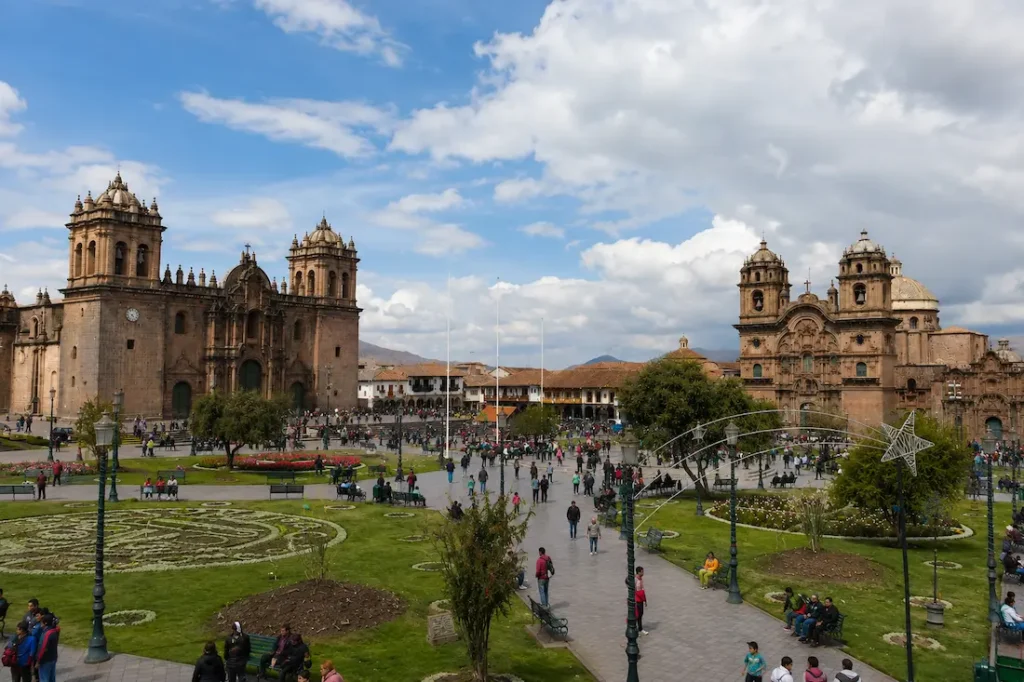
Among the eight Cusco districts selected here, the district of Cusco has the greatest concentration of historical and tourist attractions, mainly because it contains the Historic Center and landmarks such as the Main Square, Qorikancha, and Cathedral. Many itineraries therefore begin in this area.
However, the other Cusco districts also offer different experiences. Ccorca and Poroy have a stronger connection with landscapes and ancestral routes, while Saylla stands out for its culinary tradition. San Jerónimo, San Sebastián, and Santiago preserve historical and religious elements, while Wanchaq provides a more urban and contemporary view of the city.
The best way to visit the Cusco districts depends on the time available, distances, and planned activities. The district of Cusco can take up much of a day, while other areas require additional transportation and can be included as complementary visits during a stay.
Travelers interested in hiking can also include longer routes in their itinerary, depending on the time available and their physical preparation. These experiences require more planning than a short visit around the city, so it is useful to consider the duration, transportation, and level of physical effort involved before adding them to a trip.
Another option is to include activities in the surrounding high-altitude areas. A route such as the Waqrapukara trek can complement a trip to Cusco for travelers interested in landscapes, hiking, and experiences beyond the city center. Planning these activities according to distance and duration helps make better use of the available time.
The Cusco districts reflect the diversity of a province where history, culture, food, and landscapes form part of the same identity. The Historic Center is one of its most important references, but the territory extends toward areas where ancestral routes, local traditions, rural spaces, and different expressions of Cusco’s heritage remain present.
The variety among these eight Cusco districts provides a broader understanding of the region and shows how its past remains part of everyday life. From Cusco’s historical spaces to Saylla’s cuisine, Ccorca and Poroy’s landscapes, and Wanchaq’s urban character, each area offers a different perspective on one of Peru’s most important cultural and tourist regions.
Leave a comment