Chat to a Andean Road Peru
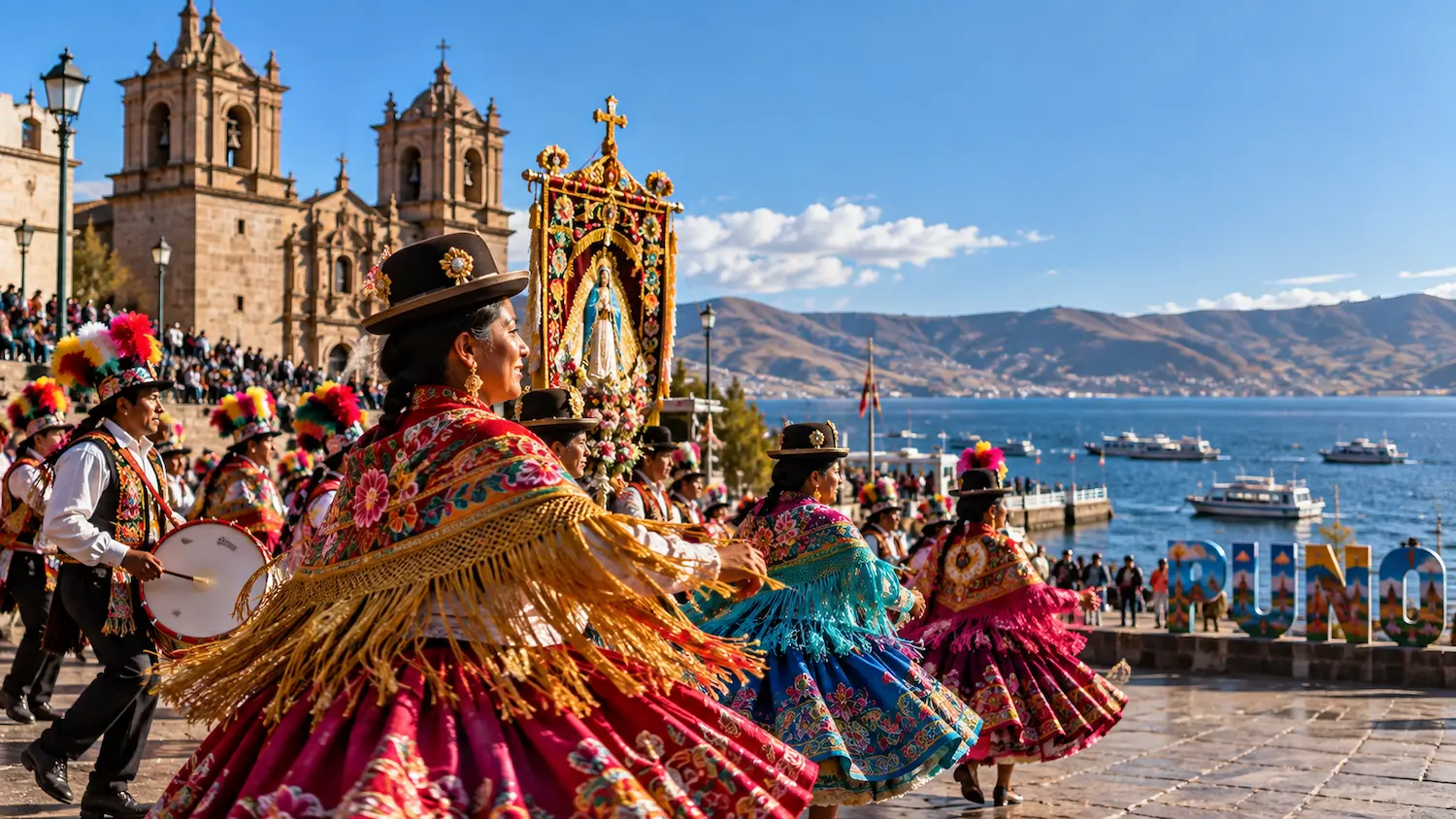
Puno is one of those places remembered not only for its landscapes, but also for what happens when its streets begin to fill with music, dances, and people gathering to celebrate. Simply arriving during a local festival is enough to discover a side of the region that rarely appears in a photograph of Lake Titicaca.
Throughout the year, festivals in Puno reflect a blend of Andean traditions, religious celebrations, and customs that continue to be passed down from generation to generation. Some take place in the city of Puno, while others are held in districts and communities across the highlands, each with its own way of celebrating.
If you are planning to travel to this region, knowing the festival calendar can help you choose the right time for your visit. Some months feature major celebrations, while others offer smaller local festivities that provide a closer look at everyday community life.
You may also like: Cusco Festival Calendar, August 2026
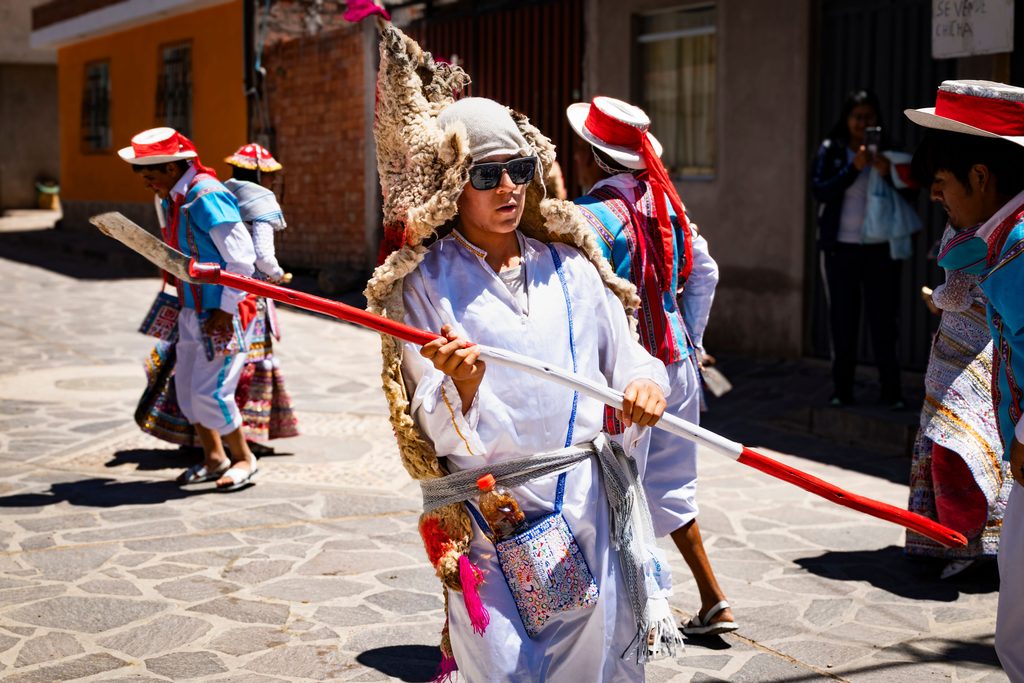
The festivals in Puno take place throughout the year and vary considerably in scale. Some attract thousands of people, while others maintain a more local character. Each one, however, offers an opportunity to get closer to the traditions of the Andean highlands.
The following calendar includes some of the main celebrations documented in the region. Dates for certain festivals may vary depending on the religious calendar or each year's official program, so it is always advisable to check the latest information before planning your trip.
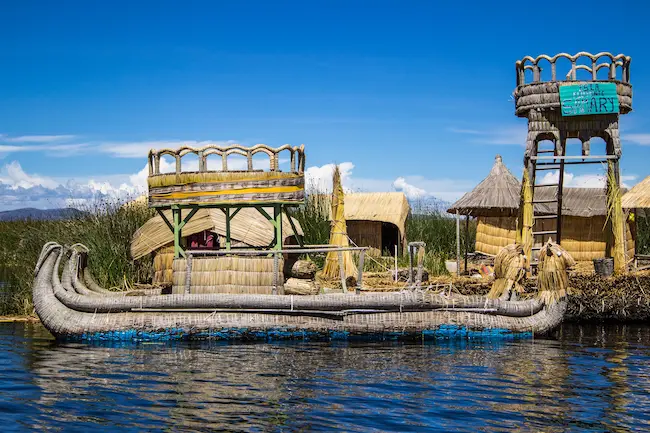
January may feel quieter compared to the months with the largest celebrations, but that does not mean the region's cultural life comes to a stop. Community gatherings and celebrations connected to the religious calendar continue in different highland towns.
For travelers arriving in Puno during this month, it can be an opportunity to experience the region at a slower pace. Instead of large crowds, visitors may encounter local traditions and explore the areas around the lake more peacefully.
January celebrations are mainly connected to religious traditions and activities organized by local communities. Their importance can vary from one location to another, so it is advisable to check the specific calendar of the place you plan to visit.
Beyond a particular date, these celebrations offer an opportunity to observe how religious traditions are integrated with social practices that are part of everyday life in Puno's communities.
If there is one month that stands out in the region's cultural calendar, it is February. During these weeks, Puno changes completely as music, traditional costumes, and dances take over the streets.
The main celebration is the Festivity of the Virgen de la Candelaria, recognized by UNESCO as Intangible Cultural Heritage of Humanity. The celebration combines religious devotion, music, dance, and cultural expressions deeply rooted in the region.
The celebration is dedicated to the Virgen de la Candelaria, the patron saint of Puno, and includes religious and cultural activities over several days. These include processions, dance competitions, and performances featuring groups from different parts of the region.
One of the most striking aspects of experiencing Candelaria is the amount of music and movement concentrated throughout the city. Dances such as the Diablada, Morenada, and Llamerada are part of this enormous cultural celebration, accompanied by musicians and dancers wearing elaborate costumes.
Dance is a fundamental part of the festivals in Puno. These are not simply performances for visitors; they represent stories, beliefs, and ways of understanding life that have been passed down through generations.
During Candelaria, visitors can see both indigenous dances and those known as danzas de trajes de luces, or "costume dances." The Provincial Municipality of Puno highlights cultural expressions such as the Diablada, Morenada, Llamerada, Pandilla Puneña, and numerous indigenous dances.
Visiting Puno in February means arriving in a particularly active city. Streets, plazas, and public spaces become stages where religious devotion, music, color, and community participation come together.
If you are planning to travel during this period, it is important to organize your trip in advance. Candelaria attracts national and international visitors and generates significant tourism activity throughout the region.
Recommended link: this is a natural place to link to Excursions in Puno.
After the major celebrations of February, March offers a quieter panorama. Cultural activities continue in different communities, particularly those related to religious celebrations and local traditions.
This can be a good time for travelers who want to experience Puno without having their entire trip centered around a major festival. The highland landscape, local communities, and Lake Titicaca remain central to the experience.
March celebrations are largely influenced by the religious calendar, so dates may change from year to year. Before traveling, it is advisable to check the corresponding local programs.
During these festivities, music, family gatherings, and religious ceremonies often coexist with traditions unique to each community, giving every celebration its own identity.
April offers another perspective of the region, with celebrations connected to local communities and anniversaries. The anniversary of Amantaní District, for example, is listed in the national directory of major festivals with April 9 as its date.
Amantaní is particularly interesting for travelers who want to experience the surroundings of Lake Titicaca from a perspective closer to the communities that inhabit its islands.
The anniversary of Amantaní is a local celebration that forms part of the island's cultural calendar. Beyond the commemorative date itself, visiting this area allows travelers to connect with a community that preserves traditions, agricultural activities, and ways of life closely linked to the lake.
The experience changes considerably when travelers leave urban routes and meet Titicaca's communities directly. In Amantaní, the landscape and everyday life become part of the same cultural experience.
May is an especially interesting month for observing the relationship between religious celebrations and local traditions. Among the main festivities recorded are different celebrations dedicated to the Holy Cross in the province of Puno.
The national directory records, for example, the Cruz de Mayo of Bellavista on May 3, as well as celebrations of the Santísima Cruz de Chacarilla and Machallata during the same month.
Celebrations dedicated to the crosses are part of the religious traditions of different communities. They may include ceremonies, music, family gatherings, and activities that take on particular characteristics depending on the location.
For travelers, these celebrations offer a different perspective of the region. Not everything takes place on the major stages of the city; many cultural expressions can be found in towns where traditions are deeply connected to community life.
One of the most interesting aspects of the festivals in Puno is precisely the coexistence of different cultural elements. Religious celebrations exist alongside music, dances, and customs with much older roots.
This combination helps explain why festivals are so important in the region. They are not simply dates marked on a calendar, but moments when communities come together and strengthen their bonds.
With the arrival of June, the festival calendar continues with religious and community celebrations in different locations. The official directory records, among others, the Santísima Cruz de la Caña Pirua Piruani on June 3 and Saint Peter and Saint Paul in Ichu on June 29.
The region also has numerous dance traditions associated with its communities, some of which are connected to traditional and agricultural celebrations.
The Festivity of Saint Peter and Saint Paul is part of the traditional calendar of the district of Ichu. Its main date is June 29, and the celebration is listed as lasting several days.
As with many highland festivals, the celebration shows how a religious event can also become a gathering place. Music, community participation, and traditional activities accompany the religious ceremonies.
In Puno, dances play an important role in celebrations. The Provincial Municipality identifies numerous indigenous dances that reflect the history, customs, and beliefs of native communities.
For this reason, when exploring the region during a festival, it is interesting to look beyond the spectacle. Movements, instruments, and costumes can tell stories related to work, nature, animals, or the identity of each community.
July brings several patron saint celebrations throughout the region. Among those officially recorded are the festivities of Saint James the Apostle in Jayllihuaya and Chejoña, both on July 25, as well as the Virgen del Carmen in Atuncolla on July 18.
These celebrations offer an opportunity to look beyond the city of Puno and discover other highland towns.
Celebrations dedicated to Saint James the Apostle are part of the festival calendar of different towns in Puno. In Jayllihuaya and Chejoña, the official directory records the celebration on July 25.
When a patron saint festival arrives in a town, daily life changes for several days. Families participate, musical groups accompany the activities, and the streets become places for gathering.
In Atuncolla, the Virgen del Carmen is celebrated on July 18 and is included among the main local festivals recorded for the region.
For travelers exploring the highlands in July, these celebrations can provide an opportunity to visit less crowded locations and observe how religious traditions form part of each community's identity.
August brings several religious and patron saint celebrations. In the city of Puno, one of them is the Festivity of the Santísima Virgen de Cancharani, recorded for August 15. Other celebrations include the Niño de San Salvador de Yanamayo and Saint James the Apostle in Ácora.
The celebration of the Virgen de Cancharani forms part of the traditional festivals of the province of Puno and is recorded for August 15. During this period, religious devotion is accompanied by different cultural expressions.
As with other festivals in Puno, the experience goes beyond the religious ceremony. Musical groups, dances, and community participation create an atmosphere where tradition and celebration come together.
August offers celebrations in different districts and communities. Some are mainly religious, while others incorporate competitions, dances, and social activities.
For travelers interested in local culture, this variety is precisely what makes exploring the region interesting. Each town may have a different way of celebrating and preserving its own traditions.
September marks the arrival of new patron saint celebrations in different highland towns. In Ácora, for example, the national festival directory records the Virgen de la Natividad on September 15, with a duration of five days.
It is an interesting time to discover celebrations outside the city center and visit other communities connected culturally with Puno.
The celebration of the Virgen de la Natividad takes place in Ácora and forms part of the district's traditional calendar. For several days, the local population participates in activities connected to the festivities.
Visiting a celebration like this allows travelers to observe a more local dimension of Puno's culture. Traditions do not depend only on major regional events; they remain alive within each community.
One of the best ways to understand the festivals in Puno is to leave the city and see what is happening in the districts and communities throughout the region.
Ácora, Amantaní, Atuncolla, Yunguyo, and other locations have their own calendars. Depending on the date of your trip, it may be worth exploring which celebration coincides with your itinerary.
October features several celebrations that are especially interesting for travelers looking to experience the cultural side of the highlands. These include the Virgen del Rosario in Ácora and the Feast of San Francisco de Borja, locally known as Tata Pancho, in Yunguyo.
In Ácora, the Virgen del Rosario is celebrated on October 7 according to the national festival directory. It is one of the religious celebrations that form part of the traditional calendar of this district.
These festivities provide another perspective on Puno, where religious ceremonies combine with community participation and cultural expressions that have been preserved over time.
In Yunguyo, October is marked by San Francisco de Borja, locally known as Tata Pancho. MINCETUR records activities beginning during the first days of the month, with the main day taking place on October 10.
The celebration includes religious ceremonies, sikuris, musical bands, and dances featuring elaborate costumes. On October 10, a procession of the patron saint takes place, followed by dance activities in the Main Square.
Recommended link: this section is a natural place to introduce a link to Excursions in Puno, connecting cultural information with the possibility of exploring the region.
November brings celebrations connected to anniversaries, religious traditions, and cultural expressions in different locations. It is also a month when Puno gradually begins to approach the festive atmosphere that reaches its best-known point a few months later.
Among the celebrations recorded in the region is the Feast of Saint Andrew in Atuncolla, whose date is listed as November 30.
The celebration of Saint Andrew takes place in Atuncolla on November 30 and forms part of the local calendar. As with other patron saint festivals, it combines religious elements with community participation.
These celebrations show that Puno's festive culture does not depend solely on February. Throughout the year, different towns maintain their own dates and ways of expressing their identity.
November can also be a good time to explore the region at a slower pace. Communities, highland landscapes, and Lake Titicaca continue to offer cultural experiences even outside the busiest tourist periods.
For travelers who prefer to avoid the largest crowds, these months can provide a different way of experiencing Puno.
December closes the calendar with celebrations mainly connected to Christmas and community traditions. In Atuncolla, for example, the national festival directory records Christmas celebrations on December 25.
Christmas celebrations take on their own characteristics in each community and may include music, family gatherings, and traditional expressions.
Christmas is celebrated in Puno within a cultural context where religious traditions meet local customs. In communities such as Atuncolla, the date forms part of the officially recorded festival calendar.
For travelers, sharing these dates with a local community can offer a different perspective on the highlands. It is an experience more closely connected to everyday life than to major tourist events.
The end of the year once again shows how religious traditions form part of Puno's cultural identity. Each community may preserve its own ways of celebrating and bringing residents together.
After going through so many months of festivities, it becomes clear that the festivals in Puno do not belong to a single season. They are part of a culture that continues to express itself in different ways throughout the region.
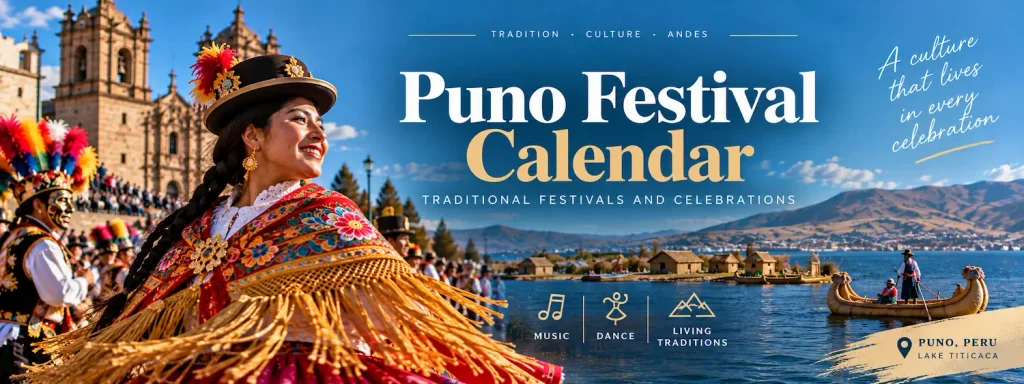
There is no single date that works for every traveler. If you want to experience a large-scale celebration, February stands out because of the Virgen de la Candelaria. If you prefer more local celebrations, other months offer opportunities to connect with communities and districts through their own traditions.
The Provincial Municipality of Puno states that the region has Andean, religious, historical, anniversary, and cultural festivities throughout different times of the year.
February is the most obvious choice because of Candelaria. During these days, the city becomes a major cultural and religious gathering place, with dances, music, and processions.
The 2026 edition, for example, included official activities over several days in February and received extensive institutional coverage.
The remaining months can offer a closer experience of local communities. Ácora, Amantaní, Atuncolla, Yunguyo, and other districts have their own celebrations recorded in the national calendar.
This alternative can be particularly interesting for travelers who want to experience the region beyond its main attractions and observe how traditions remain part of everyday community life.
A good way to make the most of your trip is to combine the celebration you choose with a visit to Lake Titicaca. This allows you to spend part of your itinerary exploring communities and landscapes while also making time to experience Puno's traditions.
Traveling during a celebration can make the experience quite different from visiting on an ordinary date. Streets are busier, certain services may be in higher demand, and some activities require advance planning.
For this reason, before choosing one of the festivals in Puno as the main reason for your trip, it is advisable to check that year's official program and arrange accommodation and transportation in advance.
For major celebrations, especially Candelaria, tourist demand can increase considerably. In 2026, for example, authorities coordinated specific measures to accommodate the celebration and its attendees.
If you want to travel during a particular festival, it is best to define your travel period first and then organize accommodation, transportation, and activities. This gives you more flexibility to enjoy the celebration without logistics taking away from your experience.
Puno is located at a high altitude, around 3,827 meters above sea level according to municipal tourism information.
Therefore, especially if you are arriving from a much lower altitude, it is advisable to take your first day slowly and allow your body time to adjust. Staying hydrated, resting, and avoiding unnecessary exertion at the beginning of your trip can help you enjoy the experience more comfortably.
The general dates of some celebrations may be known in advance, but specific activities can change each year. This is particularly important for competitions, processions, parades, and activities organized by local institutions.
Before traveling, check announcements from the municipality, cultural authorities, or organizers of the festival you want to attend. This will give you a more accurate idea of what to expect during your visit.
After going through this calendar, it becomes clear that Puno can be experienced differently when you get closer to its celebrations. Lake Titicaca may be the starting point, but walking a little farther can lead you to towns, communities, music, and customs that reveal another part of the highlands' history.
The festivals in Puno allow travelers to see the region beyond its landscapes. In February, visitors can experience large gatherings of dancers and musicians; during other months, smaller local celebrations offer a closer look at traditions that continue to shape community life.
And perhaps that is one of the best reasons to check the calendar before planning your trip. Choosing a date does not simply mean deciding when to visit Puno; it also means deciding which part of its culture you want to experience.
If you are planning a trip through southern Peru, you can combine your visit to Puno and Lake Titicaca with other destinations in the Andes. Experiencing Puno during one of its celebrations can turn a sightseeing trip into a much more meaningful connection with the culture that makes this region special.
Leave a comment