Chat to a Andean Road Peru
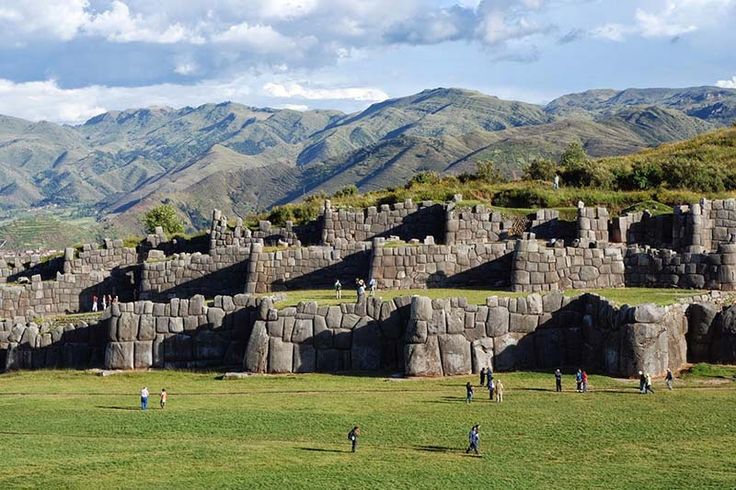
The ruins of Cusco represent an incalculable legacy that every traveler, passionate about history and culture, should experience at least once in their life. It is truly fascinating how these stone vestiges manage to remain standing after centuries of change, defying the passage of time and telling vivid stories of a civilization that understood nature, astronomy, and engineering with a mastery that still forces us to question our current technological limits today.
Walking through these Andean lands is to deeply reconnect with the past, discovering that the ancient settlements guard secrets in every stone carved with millimetric precision. I feel that every time I visit these places, I encounter a different energy, a sense of deep peace and respect that only ancient history can transmit to those who stop, breathe deeply, and observe in total detail the mysteries of a culture that never ceases to surprise us with every new archaeological finding that comes to light in the region.
The cultural relevance of the ruins of Cusco is immense, as they allow us to understand how the Inca empire dominated the Andes with wisdom that perfectly integrated architecture into the natural environment. Each construction that makes up this network of monuments reflects advanced engineering that today continues to surprise the best architects, historians, and visitors from all over the world who seek to understand the complexity of a social system that flourished in extremely difficult geographical conditions and managed to overcome extreme climatic challenges for generations.
If you seek to delve into these topics for your next adventure, I invite you to read our travel guide where we mention that regional tourism is the undisputed heart of the local economy. Many archaeological studies have shown that visiting the ruins of Cusco allows us to value the Andean worldview authentically, moving away from the superficial to understand the true essence of this people who still live in the customs of their modern descendants, maintaining millenary traditions that have survived the influence of modernity throughout the entire department.
There are various fascinating places throughout the sacred territory, and it is very common to ask which are the most impressive ruins of Cusco that we can tour today to complete an unforgettable travel experience. Selecting the most emblematic destinations helps to better plan a strategic route, allowing us to organize the days so as not to miss any of the details that make this territory full of history, mysticism, and landscapes that seem taken from a painting, where the sky meets the mountains creating a scenery that seems from another world.
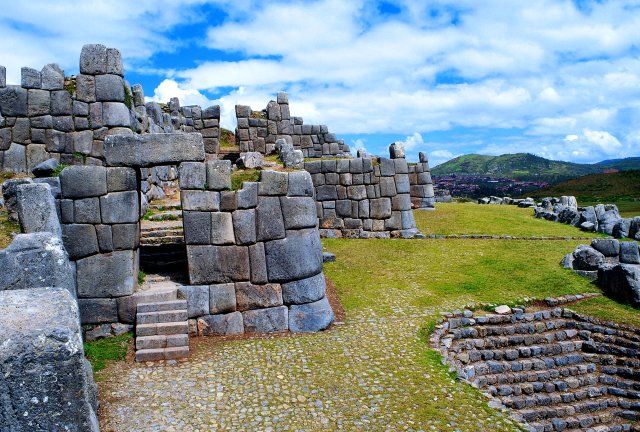
Located only 2 kilometers from the city, this impressive construction is one of the ruins of Cusco with colossal walls that guard the valley from above. It has an approximate age of 600 years and visiting this site allows one to appreciate blocks of up to 120 tons, which were moved and assembled with a precision that still generates constant debates among academics and researchers about the methods used, as moving stones of that size without metal tools is a technical feat that tests our capacity for understanding ancient logistics.
It is believed that this structure served as a very important military and ceremonial fortress to protect the imperial capital from possible attacks during the times of greatest expansion. Observing the ruins of Cusco during the Inti Raymi festival is a truly magical experience that fills anyone who visits them with energy, feeling the historical weight and the impressiveness of the walls that remain firm against climatic changes, demonstrating that the solidity of Inca architecture was not a coincidence, but the result of a deep study of the local geology.
Located about 90 kilometers from the main city, it is one of the areas that best preserves its original Inca urban design throughout the Sacred Valley. These structures date from the 15th century and are a vibrant testimony to the strategic planning that characterized the ruins of Cusco in their era, perfectly integrating traditional dwellings with ceremonial temples built on the slopes of the mountains, which facilitated both defense and the administration of agricultural resources distributed throughout the fertile valley that surrounds this archaeological zone.
In addition to being an administrative center, you can see more details in our blog about how these buildings were the stage for brave battles during the Inca resistance against the invading forces. Exploring the ruins of Cusco here is seeing living history among paved streets, where water channels continue to function just as they did hundreds of years ago, keeping alive the memory of those who inhabited this place and turning it into a site where the past and the present coexist in a surprising harmony that captivates all the visitors who venture to walk through its narrow passageways.
About 50 kilometers from the city, we find this site that stands out for its impressive circular terraces that sink into the ground. It is estimated that these ruins of Cusco are over 500 years old and functioned as an agricultural laboratory to experiment with various Andean microclimates, allowing the ancient inhabitants to cultivate different varieties of food in a single place adapted perfectly to the topography of the terrain, thus achieving a diversification of crops that guaranteed food security even in periods of prolonged scarcity.
The mathematical precision applied in this area is simply impressive for those who appreciate civil engineering and advanced knowledge of agriculture. By observing the ruins of Cusco from the top of the viewpoints, one understands why this place is considered one of the most enigmatic sites, leaving all travelers with deep amazement at the ancestral intelligence of those who did not need digital technology to perform precise astronomical and agronomic calculations that functioned with astonishing efficacy under any climatic circumstance.
This site, located about 25 kilometers away, is a true masterpiece of hydraulic engineering that allows us to understand the absolute respect for water. When touring these ruins of Cusco, one marvels at the network of channels, fountains, and waterfalls that still function today, demonstrating that they were designed with hydraulic efficiency that surpasses even many of our modern solutions for the management of natural resources, allowing water to flow constantly without the need for mechanical pumps, using only gravity and the intelligent design of the slopes.
The peace that is breathed in this archaeological site is unique, as the sound of water running through the ancient channels invites deep meditation and silence. Visiting such a place teaches us about the importance of water as a sacred element in the Inca worldview, reminding us that these constructions are much more than simple stones, as they are testimonies of a civilization in total harmony with its environment, protecting water sources as if they were the most precious treasure of the whole community, thus guaranteeing the life and prosperity of all the inhabitants.
Pisac is located about 33 kilometers away and is famous for its impressive system of agricultural terraces that extend along the slopes of the mountain in a spectacular way. This area offers a panoramic view of the Sacred Valley that takes your breath away, and touring the ruins of Cusco allows you to understand the magnitude of the human effort dedicated to transforming geography to ensure the food supply of the entire population that lived near these high-mountain sites, where the pure air and the altitude impose a sacred respect on anyone who has the privilege of walking their paved paths and perfectly preserved terraces.
In addition to its terraces, the upper part houses temples and ceremonial precincts of unmatched architectural beauty, which makes this site a mandatory stop for those seeking to understand spiritual depth. Exploring the archaeological zone in this sector is an invitation to reflect on the Inca social organization, where each space had a defined purpose that contributed to the common well-being of the whole empire, from the residential zones to the areas destined for worship and the religious ceremonies performed by the priests who watched over the valley with absolute devotion.
Located about 30 kilometers away, Pikillacta is distinguished from other sites by being a citadel of the Wari culture, which preceded the Incas in the region. The structures present a different rectangular architectural style, which allows visitors to understand the complexity of the civilizations that inhabited the valley long before the Inca heyday, enriching our vision of the historical evolution and cultural development of the southern Andes, where diverse societies were building their legacy on the basis of what their predecessors left behind, creating a complex network of power and territory that extended for thousands of kilometers.
Walking between the adobe and stone walls of this site is like going back in time to an era where territorial control was manifested through large planned urban centers. By contrasting this place with the rest of the ruins of Cusco, travelers obtain a broader perspective on how diverse cultures were superimposed over the centuries, each leaving its unique mark on this territory that has witnessed the passage of thousands of people, all of them seeking to adapt to a challenging environment but full of opportunities for the development of agriculture and commercial exchange.
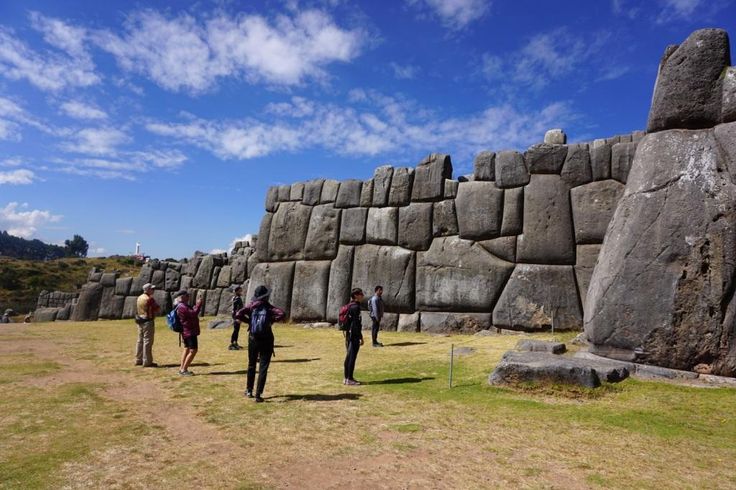
To enjoy the ruins of Cusco to the fullest, it is fundamental to acclimatize well to the altitude and always wear comfortable footwear for the long walks that these trails require. The Andean geography can be demanding on the body, but the visual and spiritual reward you receive at each of these archaeological points makes all the physical effort made during your journey of exploration totally worth it, as each place offers a different perspective of Andean greatness and a new lesson on human capacity to transform the physical world into a lasting work of art.
Always respect the marked signs, thus taking care of this invaluable heritage so that everyone can continue enjoying the ruins of Cusco in the future. Maintaining order, following the instructions of local guides, and leaving the places as we find them is our greatest responsibility as tourists, protecting these sacred spaces that have been left to us by the ancient inhabitants of Peru for our constant admiration and learning, remembering that conservation is a joint effort that depends on every visitor who crosses the gates of these historical centers to learn a little more about humanity.
Cusco is, without a doubt, a place where time seems to have stopped between mountains and sacred valleys, offering a unique connection with our deepest history. Touring each of these sites is a humble way to honor our ancestors and take a piece of millenary wisdom in the heart, keeping memories that will remain intact long after having returned home, always reminding us of the greatness of what was once built with hands, sweat, and a deep love for the land that sustains us all. It is vital to recognize that these constructions are not just stones, but the silent testimony of a people who loved their culture and their territory above any difficulty, leaving us a life lesson that transcends generations and invites us to look at the future with the same hope and determination that they had when building their empire in the middle of the Andes.
The ruins of Cusco are an open invitation to discover the magic that still inhabits every corner of the Sacred Valley. Visiting the ruins of Cusco is, in essence, a journey towards our own identity as part of this wonderful land.
Leave a comment