Chat with our team
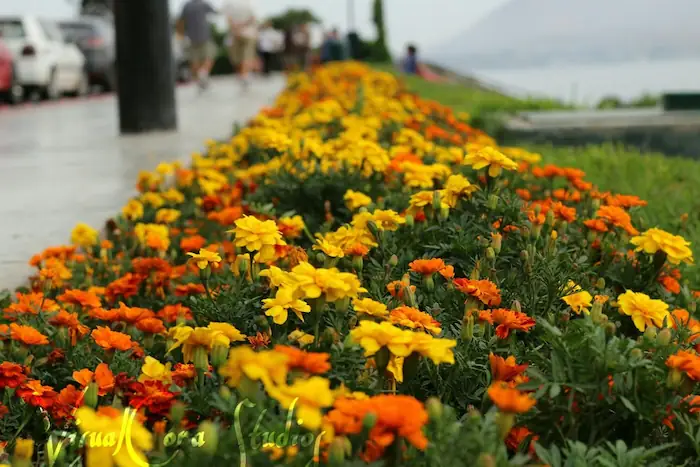
Spring in Peru is a wonderful time to experience the country's diverse landscapes, rich culture, and unforgettable destinations. From September to November, the transition between seasons brings warmer temperatures to the Andes, colorful scenery, and changing weather conditions across the coast, mountains, and Amazon rainforest. Whether you're planning to visit Machu Picchu, wander through Cusco's historic streets, or experience the natural beauty of the Sacred Valley, understanding the season can help you plan a better trip. In this guide, you'll find everything you need to know about spring weather in Peru, the best places to visit, and practical travel tips.
Spring in Peru runs from September to November, marking the transition from the dry season to the rainy season in many parts of the country. Unlike countries in the Northern Hemisphere, Peru experiences spring during these months because it is located in the Southern Hemisphere. During this period, temperatures gradually rise, landscapes begin to turn greener, and weather conditions vary depending on the region.
In the Andes, destinations such as Cusco, Machu Picchu, and the Sacred Valley generally experience sunny mornings and occasional afternoon showers, especially toward November. Along the coast, cities like Lima begin to enjoy milder temperatures and more sunshine as winter fades. Meanwhile, the Amazon rainforest remains warm and humid, with rainfall becoming more frequent as the season progresses.
You may also like: Alpaca and Llama: Differences and Characteristics
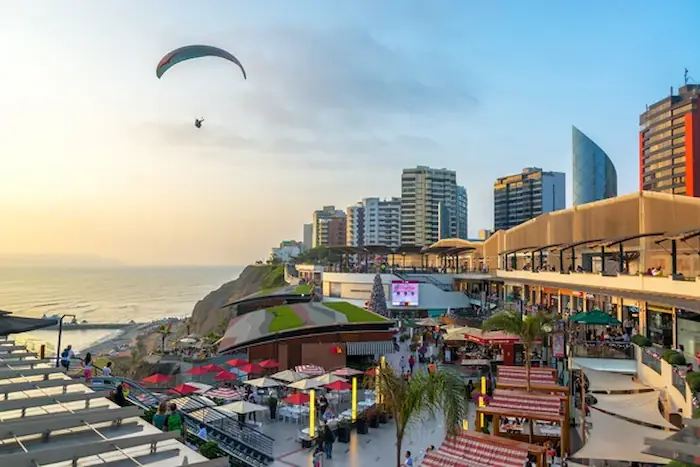
The weather in Peru during spring varies significantly across the country's three main geographical regions: the coast, the Andes, and the Amazon rainforest. From September to November, temperatures gradually increase, but rainfall and humidity depend on where you travel. While coastal cities begin to experience warmer and sunnier days, the Andean highlands transition toward the rainy season, and the Amazon remains warm and humid throughout the season.
Spring brings gradually warmer temperatures to Peru's coastal regions, including Lima, Paracas, and Ica. In Lima, temperatures generally range from 15°C to 24°C (59°F to 75°F), with cloudy mornings becoming less frequent as November approaches.
Rainfall remains minimal, making this a comfortable season for exploring historical neighborhoods, visiting coastal attractions, and enjoying outdoor activities. Southern coastal destinations such as Paracas and Ica often experience sunnier conditions and warmer afternoons.
In the Peruvian Andes, spring marks the transition from the dry season to the wetter months. Destinations such as Cusco, the Sacred Valley, and Machu Picchu typically experience daytime temperatures between 15°C and 22°C (59°F to 72°F), depending on altitude and location. Nights can be considerably colder, particularly in Cusco and higher mountain areas.
September generally offers more stable, dry conditions, while October and November bring an increasing chance of afternoon showers. Travelers planning trekking activities should prepare for sudden weather changes, especially along high-altitude routes.
The Peruvian Amazon experiences tropical weather throughout spring, with warm temperatures, high humidity, and frequent rainfall. Destinations such as Puerto Maldonado, Tambopata, and Iquitos typically see temperatures ranging from 22°C to 32°C (72°F to 90°F).
Rain showers can occur at any time, although they often alternate with periods of sunshine. As November approaches, rainfall generally increases, contributing to rising river levels and lush vegetation. Lightweight clothing, waterproof equipment, and insect protection are essential for travelers planning rainforest excursions.
Yes, spring is a good time to visit Peru, especially for travelers interested in exploring cultural attractions, natural landscapes, and outdoor adventures. From September to November, destinations such as Cusco, Machu Picchu, the Sacred Valley, and Arequipa offer excellent opportunities for sightseeing and hiking. September generally provides drier conditions in the Andes, while October brings pleasant temperatures and occasional rainfall. By November, the landscapes become greener as the rainy season approaches, making it an attractive time for nature lovers and photography enthusiasts.
Another advantage of visiting Peru during spring is the opportunity to experience popular destinations outside the busiest international tourism months. October and November generally see fewer visitors than June through August, which can make sightseeing more comfortable and provide greater flexibility when booking accommodations and tours. Meanwhile, coastal destinations such as Lima, Paracas, and Ica begin experiencing warmer weather, creating favorable conditions for outdoor activities. Whether you're planning a cultural vacation, a trekking adventure, or a combination of both, spring offers plenty of opportunities to enjoy Peru.
Spring in Peru offers travelers the opportunity to experience a variety of destinations, from ancient Inca sites and Andean valleys to coastal cities and tropical rainforests. Between September and November, changing weather conditions create different travel experiences across the country. Whether you prefer cultural sightseeing, outdoor adventures, or wildlife encounters, these are some of the best places to visit in Peru during spring.
Cusco and Machu Picchu are among the most popular destinations to visit during spring. September and early October generally offer favorable conditions for exploring archaeological sites, walking through Cusco's historic streets, and visiting the famous Inca citadel. Travelers can visit Sacsayhuamán, explore traditional markets, and admire the architecture of the former Inca capital. As November approaches, rainfall becomes more frequent, bringing greener landscapes around Machu Picchu. Booking entrance tickets in advance is recommended, as this UNESCO World Heritage Site attracts visitors throughout the year.
The Sacred Valley is an excellent destination for travelers interested in Andean culture, traditional villages, and mountain scenery. During spring, visitors can explore the archaeological sites of Ollantaytambo and Pisac, visit the circular terraces of Moray, and photograph the salt ponds of Maras. September typically brings clearer skies, while October and November gradually introduce greener landscapes. The valley also offers opportunities to visit local communities, learn about traditional weaving techniques, and enjoy outdoor activities surrounded by the Andes.
Lima and Peru's coastal destinations become increasingly attractive during spring as temperatures rise and winter cloud cover gradually decreases. In Lima, travelers can explore the Historic Center, walk along the Miraflores waterfront, visit Barranco's art galleries, and enjoy traditional Peruvian cuisine. Further south, Paracas offers desert landscapes, coastal wildlife, and boat excursions to the Ballestas Islands. Visitors can also travel to Huacachina, near Ica, for sandboarding and dune buggy adventures. October and November are particularly appealing as coastal weather begins transitioning toward summer.
Known as the White City, Arequipa combines colonial architecture, volcanic landscapes, and outdoor adventures. Spring is a favorable time to explore its Historic Center, visit the Santa Catalina Monastery, and admire views of the Misti Volcano. Nearby, Colca Canyon offers opportunities to observe Andean condors, visit traditional villages, and hike through dramatic mountain scenery. September and October generally provide more stable weather for outdoor activities, while November may bring occasional rain as the wet season approaches. Travelers should also consider the altitude when planning excursions around the canyon.
The Peruvian Amazon is an ideal destination for nature lovers interested in wildlife, tropical forests, and river adventures. During spring, travelers can visit Tambopata National Reserve near Puerto Maldonado or explore the rainforest surrounding Iquitos. Activities include guided jungle walks, birdwatching, canoe excursions, and visits to wildlife observation areas. September and October are generally part of the lower-rainfall season, although tropical showers remain possible. By November, increasing rainfall begins changing river conditions and forest landscapes, offering a different perspective on one of the world's most biodiverse ecosystems.
You may also like: Festivals in Puno: Calendar of Traditional Celebrations
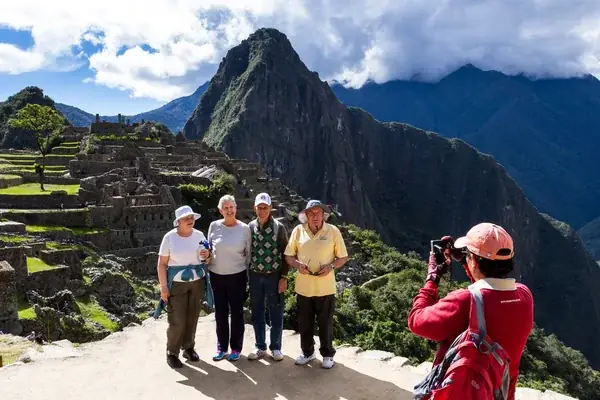
Spring in Peru offers a wide range of activities for travelers interested in adventure, culture, and nature. From September to November, visitors can explore ancient archaeological sites, hike through the Andes, experience traditional festivals, and observe wildlife in the Amazon rainforest. Although weather conditions vary by region, this season provides opportunities to enjoy both outdoor adventures and cultural experiences.
Some of the best activities to enjoy during spring in Peru include:
Yes, you can hike the Inca Trail during spring in Peru, and September and October are generally favorable months for this experience. September typically offers relatively dry trails, clear mountain views, and comfortable daytime conditions for hiking. October marks the transition toward the rainy season, but many travelers can still enjoy the route with appropriate preparation. The classic Inca Trail takes approximately four days, passing through Andean landscapes, cloud forests, and archaeological sites before reaching Machu Picchu.
By November, rainfall becomes more frequent, making some sections of the trail slippery and potentially more challenging. However, the surrounding vegetation becomes greener, creating beautiful scenery along the route. Travelers should bring waterproof clothing, sturdy hiking boots, and warm layers for colder nights at higher elevations. Inca Trail permits are limited and must be arranged in advance through an authorized tour operator, especially for travelers with fixed dates.
Packing for spring in Peru requires preparing for different climates, particularly if your itinerary includes the coast, Andes, and Amazon rainforest. Coastal destinations generally experience mild temperatures, while mountain regions can have warm afternoons, cold nights, and occasional rain. In the Amazon, lightweight and breathable clothing is essential because of the tropical heat and humidity.
Here are some essentials to include in your packing list:
If you're planning a multi-day trek, consider bringing trekking poles, moisture-wicking clothing, and additional waterproof protection for your belongings
You may also like: 8 Cusco Districts You Should Know
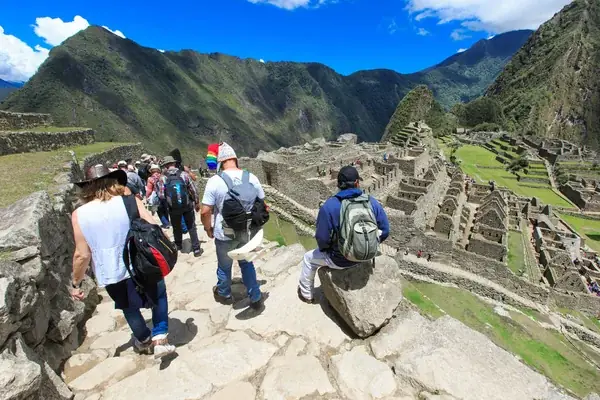
Planning a trip to Peru during spring requires considering weather conditions, altitude, and transportation between destinations. September generally offers favorable conditions for trekking in the Andes, while October and November bring increasing rainfall to mountainous regions. Understanding these seasonal changes can help travelers organize their itineraries and avoid unnecessary inconveniences.
To make the most of your spring vacation in Peru, consider these practical recommendations:
Planning a trip to Peru during spring often raises questions about the weather, the best months to visit, and what to expect at popular destinations. Here are answers to some of the most common questions to help you organize your trip from September to November.
Yes, rainfall occurs during spring in Peru, but the amount varies by region and month. September is generally drier in the Andes, while October and November bring increasing chances of rain. The Amazon experiences rainfall throughout the year, whereas coastal destinations such as Lima and Paracas typically remain relatively dry.
Both months are good options, depending on your travel preferences. September generally provides drier conditions for hiking and visiting archaeological sites in the Andes. October offers a combination of relatively favorable trekking weather, gradually greener landscapes, and warmer coastal temperatures. Travelers prioritizing mountain adventures may prefer September, while those planning a varied itinerary can consider October.
Machu Picchu remains a popular destination throughout the year, although October and November generally experience fewer international visitors than the peak tourism months of June through August. September can still be busy, particularly during popular travel dates. Booking tickets in advance is recommended because daily visitor capacity is limited.
Yes, November can be a good month to visit Peru, especially for travelers interested in greener Andean landscapes and cultural sightseeing. However, rainfall becomes more frequent in Cusco, Machu Picchu, and other mountain destinations. Coastal areas begin experiencing warmer weather, making November suitable for combining city visits, archaeological attractions, and coastal activities.
Clothing depends on the destinations included in your itinerary. For Cusco and the Andes, bring comfortable layers, a warm jacket, waterproof clothing, and suitable walking shoes. In Lima and other coastal cities, lightweight clothes and a light jacket are generally sufficient. For the Amazon, choose breathable, quick-drying clothing, preferably with long sleeves for insect protection.
Yes, spring can be a favorable season for trekking in Peru, particularly during September and early October. Popular routes such as the Inca Trail and Salkantay Trek generally experience more stable weather before the rainy season intensifies. November trekking is still possible, but travelers should prepare for muddy trails, occasional heavy rain, and changing mountain conditions.

Hi, I'm Kevin, a Peruvian who loves Andean cultures and is proud of my country. On this blog, I share useful and reliable information so you can discover Peru's history, nature, and authentic traditions.
Leave a comment