Chat with our team
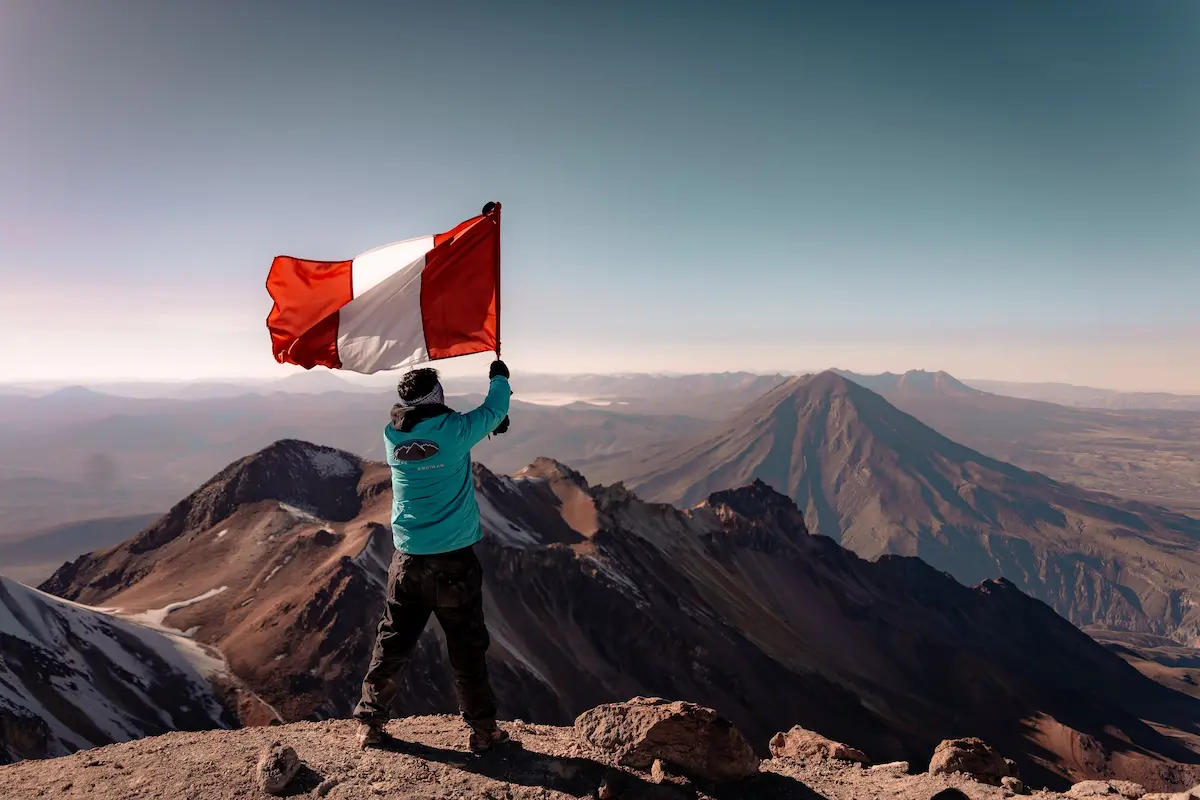
Knowing how to prepare for high altitude hiking in Peru means planning beyond the trail itself. Build your walking endurance before departure, allow time for acclimatization after arrival, test your equipment and understand when symptoms require you to stop. Your preparation should match the route’s terrain, daily walking hours and overnight elevations.
For a hiking trip in Peru, organize these details before confirming a demanding schedule. This article explains how to train, review your ascent profile, pack your daypack and manage practical decisions on the trail. The aim is to help you arrive prepared while leaving enough flexibility to adjust your plans.
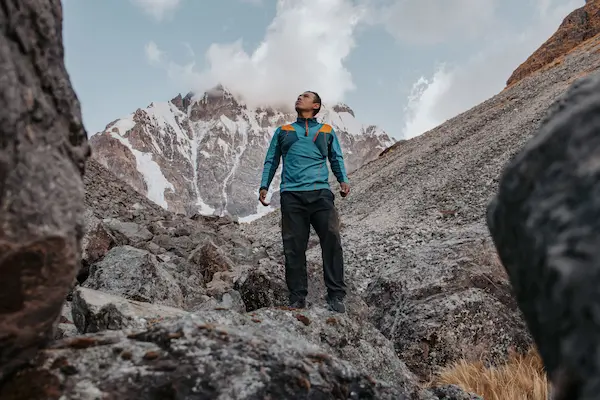
Start by asking your operator for the expected walking hours, elevation changes, trail surfaces and backpack requirements. A distance alone tells you relatively little: a short, steep descent can require different preparation from a longer walk on level ground.
Use that information to identify the gap between your current routine and the planned activity. If you are unsure how to prepare for high altitude hiking in Peru physically, begin with manageable sessions and build gradually rather than attempting difficult workouts immediately before departure.
Walking, cycling and swimming are options for developing a regular exercise routine. Choose activities you can maintain consistently, then include walking sessions that increasingly resemble the demands of your trip.
For hiking-specific practice, gradually introduce hills or stairs and extend your outings as your fitness develops. REI’s training guidance recommends progressing from easier terrain and lighter loads toward conditions closer to those expected on the trail.
Avoid treating every session as a performance test. Record what you completed and how you recovered so you can recognize whether the progression feels manageable. If you have an injury or an existing medical condition, seek individualized advice before increasing your workload.
Include strength and balance work alongside your walks. Step-ups, controlled squats and other suitable exercises can form part of a hiking preparation program, with the difficulty adjusted to your experience.
Pay attention to descending as well as climbing. Practice controlled movements instead of focusing only on speed or the amount of weight lifted. A qualified trainer can help you choose exercises and correct your technique.
When considering how to prepare for high altitude hiking, use strength sessions to support your walking rather than leaving you too sore to practice. Allow recovery between demanding sessions and adjust exercises that cause pain.
Wear your intended footwear on several outings before traveling. Check for rubbing, pressure around your toes and movement at the heel, especially on descents. Test your socks at the same time.
Adjust your backpack with the items you expect to carry, then check whether you can reach water, snacks and rain protection easily. Practice using trekking poles if you plan to bring them.
Use these walks to identify small problems while they are easy to solve. A slipping shoulder strap or an uncomfortable boot becomes much harder to manage once you are several hours from the trailhead.
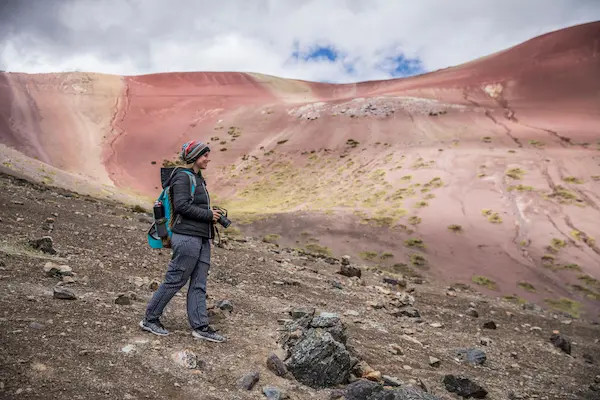
Physical preparation and altitude planning answer different questions. Training helps you prepare for the activity, while acclimatization involves adapting to reduced oxygen availability at elevation. Fitness does not protect you from altitude illness. This distinction is central to how to prepare for high altitude hiking. Review your arrival plans and overnight stops with the same attention you give the walking route, and leave room to change the schedule if you feel unwell.
Being comfortable on long walks at home does not establish how you will respond after arriving at altitude. Keep your training achievements separate from decisions about whether you are ready to ascend.
Avoid using another traveler’s experience as a deadline for your own adjustment. Instead, discuss your planned ascent, previous altitude experiences and relevant health history with a travel medicine professional.
Give your operator an accurate picture of your experience. Explain whether you regularly hike, what terrain you know and whether you have previously felt unwell at elevation. This information supports a more useful conversation than simply describing yourself as fit.
The CDC advises gradual ascent, mild exercise during the first 48 hours at altitude and avoiding alcohol during that period. These measures belong in your arrival plan rather than being left until the first hiking morning.
Keep early activities flexible. Avoid filling every available hour with excursions simply because you have arrived before the main trek. Ask what can be postponed and how changes would affect transport or accommodation.
If you are researching how to prepare for high altitude hiking, consider arrival time, sleep and onward travel together. A tightly connected itinerary leaves fewer options if you need to rest or revise the plan.
Request the elevation of each overnight stop, not just the highest pass. Above 3,000 meters, CDC guidance recommends limiting increases in sleeping elevation to about 500 meters per night, with an additional acclimatization day for each 1,000 meters gained. Individual needs still vary.
When reviewing, ask for the complete ascent profile and explain where you will be staying beforehand. The preparation should reflect your actual journey, including the days before the trek begins.
Use this checklist when comparing your proposed schedule:
| Detail to confirm | Question to ask |
| Arrival elevation | Where will I spend my first night? |
| Overnight stops | How high is each campsite or accommodation? |
| Daily walking | How many hours and how much climbing are expected? |
| Adjustment time | Where does the itinerary allow rest or flexibility? |
| Alternative arrangements | What happens if I cannot continue? |
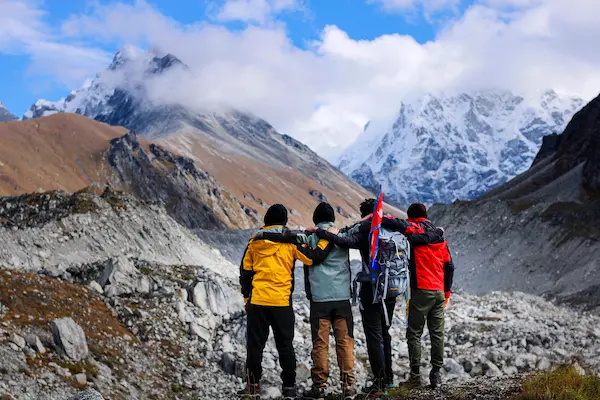
A practical packing list starts with the operator’s instructions and the conditions expected on your departure dates. Confirm what is provided, what you must carry and which items travel separately.
How to prepare for high altitude hiking also includes organizing your belongings so they work during the walk. Equipment buried at the bottom of a bag is less useful when you need to respond quickly to changing weather.
Prepare clothing that can be added or removed without unpacking everything. Ask your operator about expected conditions at the trailhead, higher sections and overnight stops rather than relying only on a city forecast.
Your daypack checklist may include:
Check the list against the specific service you booked. Do not assume that sleeping equipment, luggage transport or trekking poles are included. Confirm sizes, rental arrangements and any baggage restrictions before departure.
Ask where drinking water will be available and whether it is supplied ready to drink or requires treatment. Choose containers that fit your bag and test them for leaks before traveling.
For meals, communicate allergies and dietary requirements early. Confirm what is included each day, then carry familiar snacks for the gaps between scheduled meals. Avoid making the trek your first opportunity to test unfamiliar sports foods.
Adequate hydration and energy intake form part of mountain preparation, as emphasized by the UIAA Medical Commission. They should accompany a sensible itinerary and attention to health rather than replace those measures.
Before departure, agree on how the group will handle breaks, slower walkers and changes of plan. Ask whether the guide stays with the group and how communication works if people become separated.
During the walk, report how you feel honestly. A guide cannot assess a problem you have chosen to hide. Describe what changed, when it began and whether it is getting worse.
An important part of how to prepare for high altitude hiking is being willing to revise the goal. Reaching a pass or completing a route should remain conditional on the circumstances, not become an obligation created by a booking.
When comparing trekking tours, ask about communication equipment, emergency procedures and options for leaving the route. Request clear answers rather than assuming that every service includes identical support.
Check your insurance policy directly. Confirm the activity, maximum altitude, medical assistance, evacuation provisions and any exclusions. Keep the assistance number and policy details accessible offline.
Finally, share your itinerary and operator’s contact details with someone at home. Download essential documents before departure, charge your devices and ask where mobile coverage should not be relied upon.
Leave a comment