Chat to a Andean Road Peru
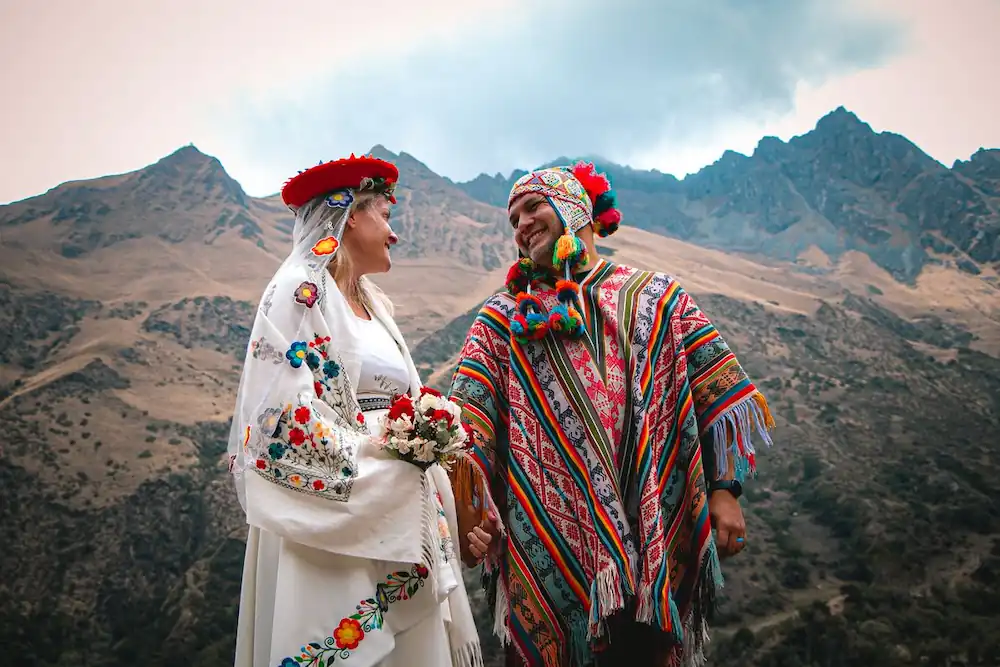
Peruvian wedding traditions reflect the country’s rich cultural heritage and the strong importance of family and community in every celebration. Influenced by a blend of Indigenous and Spanish customs, weddings in Peru often feature meaningful rituals, traditional music, delicious food, and lively gatherings that bring friends and relatives together.
In this complete guide, we’ll explore some of the most common customs and cultural elements that make weddings in Peru unique and memorable, from symbolic ceremonies to festive receptions.
You may also like: Peru in May: a complete guide for travelers
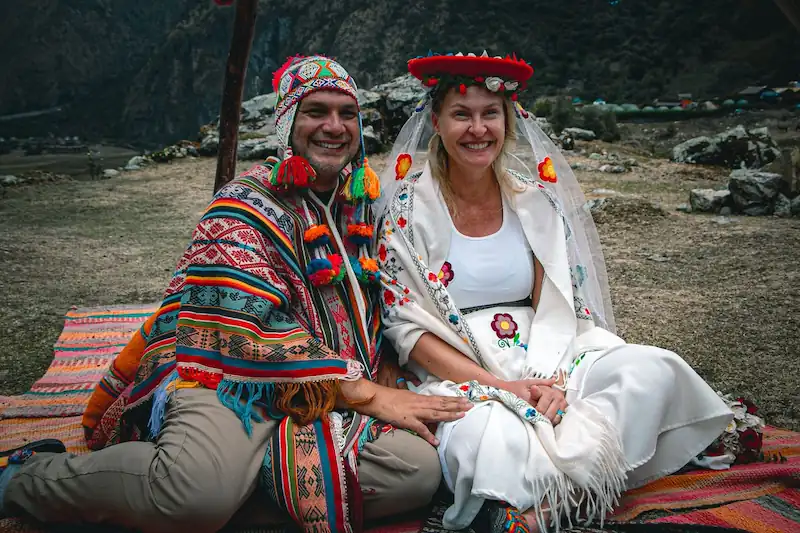
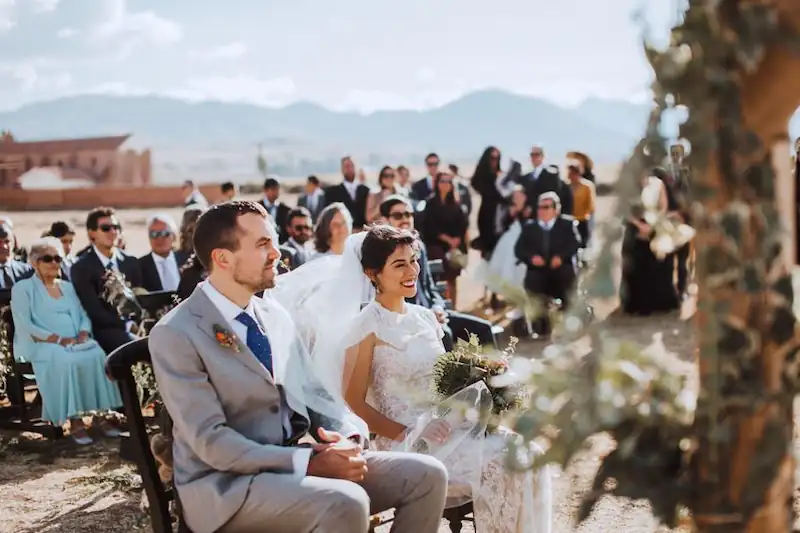
Peruvian weddings are joyful celebrations that bring together family, culture, and meaningful rituals. Many Peruvian wedding traditions reflect a blend of Indigenous heritage and Spanish influence, which can be seen in both the ceremony and the reception. Religious ceremonies, often held in Catholic churches, remain very common, where couples exchange vows and receive blessings in front of their families and close friends.
After the ceremony, the celebration continues with a lively reception that includes music, dancing, and traditional Peruvian food. Symbolic customs such as the exchange of arras (wedding coins) or special family blessings may also take place, representing prosperity, unity, and shared responsibility in marriage. These traditions highlight the importance of community and make Peruvian weddings vibrant and memorable events.
Wedding ceremonies in Peru often include meaningful customs that reflect the country’s cultural heritage and strong family values. Many of these rituals are rooted in religious traditions and symbolic gestures that represent unity, prosperity, and lifelong commitment. These Peruvian wedding traditions not only add emotional depth to the ceremony but also strengthen the connection between the couple and their families.
Many couples in Peru choose to marry in a Catholic church, reflecting the strong influence of Catholicism in the country. During the ceremony, the couple exchanges vows and rings in front of a priest, who offers blessings and guidance for their future together. The church ceremony is often attended by extended family, godparents, and close friends, making it a deeply meaningful moment where the couple publicly commits to their marriage in a spiritual setting.
The exchange of arras is one of the most symbolic traditions during the ceremony. The groom usually presents thirteen coins to the bride, which symbolize prosperity, trust, and the promise to share financial responsibilities in the marriage. The number thirteen traditionally represents abundance and good fortune for the new household. After the coins are blessed by the priest, the bride may return them to the groom as a sign that both partners will support and care for each other throughout their lives.
Family involvement is a central element in Peruvian weddings. Parents or close relatives may offer blessings, short speeches, or emotional messages during the ceremony. In some cases, family members place their hands on the couple while offering prayers or good wishes. These gestures symbolize the support and guidance that the couple will receive from their families as they begin their new life together.
Many ceremonies include readings from religious texts, poems, or personal messages chosen by the couple. These readings are often delivered by siblings, close friends, or godparents and help personalize the ceremony. Prayers may also be included to ask for blessings, harmony, and prosperity for the couple, reinforcing the spiritual and cultural significance of marriage in Peruvian society.
Many Peruvian wedding traditions are shaped by the country’s rich cultural history. Different influences have blended together over centuries. Peru’s heritage includes Indigenous civilizations, Spanish colonial traditions, and modern cultural elements. These influences have shaped how weddings are celebrated today. As a result, many weddings combine religious ceremonies, symbolic rituals, and festive gatherings that reflect both tradition and modern values.
Indigenous customs emphasize community, respect for family, and the celebration of unity, while Spanish influence introduced Catholic ceremonies and traditions such as the exchange of arras. Over time, these elements have merged with contemporary practices, creating weddings that honor the past while adapting to modern lifestyles. This cultural fusion is what makes weddings in Peru unique, meaningful, and full of vibrant traditions.
Wedding receptions are one of the most vibrant parts of Peruvian wedding traditions. After the formal ceremony, the celebration becomes lively and festive. Music, dancing, and food bring family and friends together. Guests share heartfelt moments while celebrating the couple. These gatherings often last several hours and reflect the joyful spirit of weddings in Peru.
One of the most anticipated moments of the reception is the couple’s first dance. First, this dance symbolizes the beginning of their life together as a married couple. Afterward, guests are invited to join the dance floor. As a result, the reception turns into a lively celebration filled with music and joy.
During the reception, close family members and friends often give speeches or toasts in honor of the newlyweds. These messages may include funny stories, heartfelt memories, and good wishes for the couple’s future. This tradition adds a personal and emotional touch to the celebration.
Another common reception tradition is the cutting of the wedding cake. The couple usually performs this moment together, symbolizing cooperation and shared happiness in their marriage. Guests gather around to watch and celebrate as the first slices are served.
Music plays a central role in Peruvian wedding receptions. Live bands or DJs often play a mix of traditional Peruvian music and modern hits to keep guests dancing throughout the night. Group dances are common and encourage everyone to participate, creating a fun and energetic atmosphere.
Food is an essential part of the reception, and guests are usually served a variety of traditional Peruvian dishes. From flavorful main courses to desserts and drinks, the reception meal allows everyone to enjoy Peru’s rich culinary culture while celebrating the couple’s new journey together.
You may also like: Flora and fauna of the andes mountains
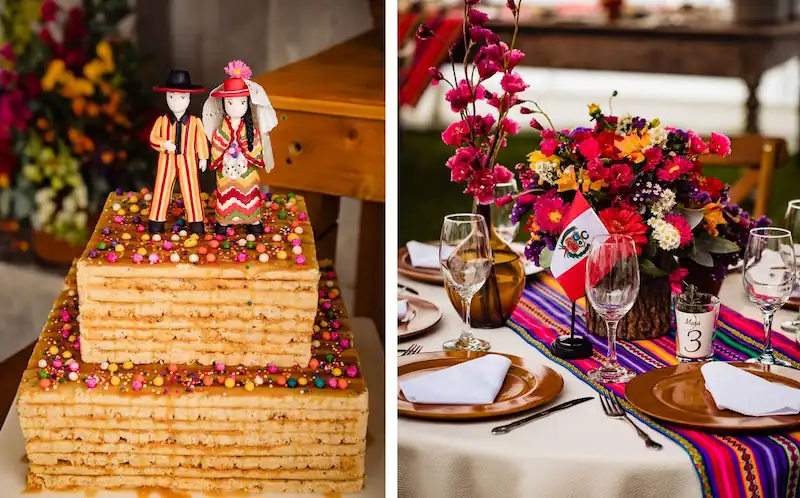
Food and drinks are an essential part of Peruvian wedding traditions. They bring guests together to celebrate and enjoy the country’s culinary heritage. Wedding receptions in Peru often include generous menus with traditional flavors and regional specialties. Many dishes are prepared for large gatherings. Sharing a meal during the celebration symbolizes abundance, hospitality, and the joy of the occasion.
Many weddings include popular Peruvian dishes that reflect the country’s diverse cuisine. Meals may feature roasted meats, rice-based dishes, potatoes, and flavorful sauces. Depending on the region, couples might serve specialties such as roasted chicken, pork, or traditional Andean dishes, allowing guests to experience authentic local flavors.
The wedding cake is a central element of the reception and is often accompanied by a variety of desserts. In addition to the cake, some weddings include traditional sweets or pastries that guests can enjoy after the main meal. These desserts add a festive and sweet touch to the celebration.
Drinks also play an important role during the reception. Guests usually enjoy a variety of beverages while celebrating and making toasts to the newly married couple. In many cases, traditional Peruvian drinks are served alongside other beverages, adding a cultural element to the festivities and encouraging guests to celebrate together.
Music and dancing are central elements of Peruvian wedding traditions. They bring energy and joy to the celebration. After the formal ceremony, the reception becomes a lively event. Guests gather on the dance floor to celebrate the newly married couple. Music creates a festive atmosphere and encourages family members and friends to join the celebration.
The first dance is one of the most special moments of the reception. It symbolizes the beginning of the couple’s life together and is often performed shortly after the reception begins. Guests usually gather around the dance floor to watch before joining in once the dance is finished.
Peruvian wedding receptions often feature a mix of traditional rhythms and modern music. Couples may include popular Latin styles, regional folk music, or contemporary songs that reflect their personal taste. This variety ensures that guests of all ages can enjoy the celebration and participate in the dancing.
As the night continues, group dancing becomes a major part of the reception. Friends and relatives gather on the dance floor, creating a lively and joyful atmosphere that can last for hours. These moments of shared celebration highlight the importance of community and togetherness in Peruvian weddings.
Many Peruvian wedding traditions include symbolic elements and superstitions believed to bring luck, prosperity, and happiness to the newly married couple. These customs often combine cultural heritage, family beliefs, and small rituals that add special meaning to the celebration.
Some of the most common symbols and superstitions seen in Peruvian weddings include:
These traditions add a unique cultural and symbolic layer to weddings in Peru, making each celebration meaningful not only for the couple but also for their families and communities.
Attending a wedding in Peru can be a memorable cultural experience, especially if you are unfamiliar with local customs. Understanding a few aspects of Peruvian wedding traditions can help guests feel more comfortable and fully enjoy the celebration. From dress codes to reception etiquette, small details can make a big difference when participating in such an important event.
Here are some helpful tips if you are invited to a traditional wedding in Peru:
By keeping these tips in mind, guests can better appreciate the joyful atmosphere and cultural richness that make weddings in Peru such special celebrations.
You may also like: Peru in April: complete travel guide
Peruvian wedding traditions beautifully reflect the country’s rich cultural heritage, strong family values, and joyful spirit of celebration. From meaningful ceremony rituals to lively receptions filled with music, dancing, and traditional food, weddings in Peru are much more than a formal event, they are a gathering that unites families and communities.
Understanding these traditions offers a deeper appreciation of how love and commitment are celebrated in Peruvian culture. Whether you are planning a wedding, attending one, or simply exploring cultural customs, these vibrant traditions show how marriage in Peru blends symbolism, joy, and shared celebration into an unforgettable experience.

Hi, I'm Kevin, a Peruvian who loves Andean cultures and is proud of my country. On this blog, I share useful and reliable information so you can discover Peru's history, nature, and authentic traditions.
Leave a comment