Av Retamayoc L-10, San Sebastián 08002
- +51 940 809 144
- Travel Blog
- About Us
- Contact Us
Secure your spot on the Inca Trail 2026. Journey beyond the ordinary Secure your spot today
Av Retamayoc L-10, San Sebastián 08002
Chat to a Andean Road Peru

Peru in March is a fascinating month to experience diversity, showcasing verdant landscapes, cultural celebrations, and a transitional climate that varies by region. While the rainy season begins to wind down in some areas, March offers spectacular scenery with improving weather in the mountains, pleasant temperatures along the coast, and a festive atmosphere in the cities and towns.
Whether you want to explore colonial cities, savor delicious local cuisine, or connect with nature, knowing the weather forecast, key events, and some travel tips in advance is essential for making the most of your trip. This guide provides information to help you plan your own trip to Peru in March.
You may also like: Travel guide to Peru in February

The weather in Peru in March varies considerably depending on the region, due to the country's diverse geography. This month marks a transition period. In the highlands, the rainy season starts to subside toward the end of March.
On the coast, which includes destinations like Lima, Paracas, and Máncora, March features warm temperatures and a humid atmosphere. Highs typically range between 25°C and 30°C, with mostly sunny days. It's a great time to enjoy the beach, outdoor activities, and city tours.
In the highlands, places like Cusco, the Sacred Valley, and Arequipa still experience rain, mainly during the first few weeks of the month. This rainfall is usually moderate, allowing visitors to appreciate lush green landscapes and mountains covered in vegetation. Temperatures are pleasant during the day and cooler at night, so it's recommended to pack warm clothing.
The Amazon rainforest maintains a warm and humid climate throughout March. In cities like Iquitos and Puerto Maldonado, rainfall is frequent, but it also fosters lush biodiversity. Despite the precipitation, many tourist activities continue to operate normally.
In conclusion, Peru in March offers varied weather conditions that suit different types of travelers, provided the itinerary is planned considering the characteristics of each region.
Yes, March can be a great time to travel to Peru. It is ideal for those seeking fewer tourists, more affordable prices, and stunning natural landscapes. Although some regions are still in the rainy season, the month offers attractive advantages for many types of travelers.
One of the main benefits of traveling to Peru in March is the lower tourist traffic compared to the peak season. This allows you to explore cities and attractions more peacefully, find better accommodation options, and enjoy a more authentic experience.
In the highlands, while occasional rain showers are possible, they tend to be short-lived and create spectacular green landscapes. Towards the end of March, the weather begins to stabilize, making it easier to enjoy cultural activities and short excursions. However, some trekking routes may have temporary restrictions, so it's important to check in advance.
The Peruvian coast is especially appealing in March, thanks to its warm temperatures and mostly sunny days, ideal for enjoying beaches, cuisine, and urban life. Meanwhile, the rainforest offers an intense experience of nature and biodiversity, although with a more humid and rainy climate.
In short, Peru in March is a great option for flexible travelers. It is ideal for those who prioritize lush landscapes, smaller tourist crowds, and a more local perspective of the country. Careful planning is still important, based on the region and the activities you choose.
March is an ideal month to travel to Peru, as it combines religious traditions, cultural celebrations, and local festivities. Visiting Peru in March allows you to experience these celebrations with fewer tourists and in a more authentic way.
Holy Week in Ayacucho is celebrated for 10 days, generally between the end of March and the beginning of April, depending on the liturgical calendar. It includes daily processions, solemn masses, and the burning of Judas. The streets are decorated with carpets of flowers and colored sawdust, and visitors can sample traditional dishes from the region.
In Cusco, Holy Week is celebrated similarly, with the procession of the Lord of the Earthquakes as the central event. It takes place in the Plaza de Armas and the main streets of the historic center, with religious activities, music, and typical food. The date varies each year according to the Christian calendar.
The procession of the Lord of Luren usually takes place on the third Sunday of March. It is a solemn, nighttime ceremony where thousands of faithful walk through candlelit streets, creating an atmosphere of profound devotion that attracts tourists interested in religious tourism.
The Grape Harvest Festival is typically celebrated during the second week of March. It includes grape stomping, parades, the crowning of the Grape Harvest Queen, wine and pisco tastings, and cultural performances. It is one of the most attractive events for those seeking cultural and gastronomic tourism.
Some communities and towns celebrate anniversaries or local festivals throughout March with fairs, dances, and traditional music. These celebrations allow travelers to experience an authentic Peru, off the beaten tourist track.
You may also like: Carnivals in Peru 2026: the most colorful celebrations
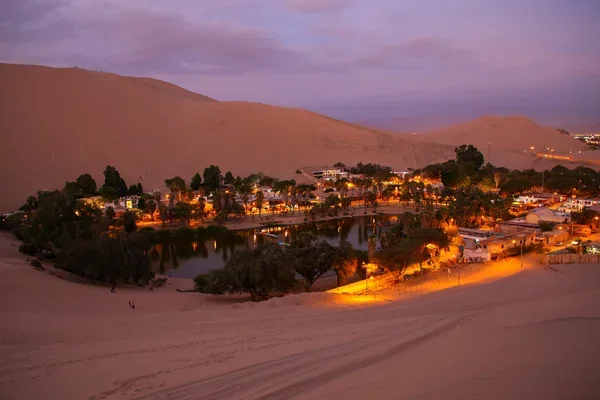
Traveling to Peru in March offers lush green landscapes, fewer crowds, and unique cultural experiences throughout the country.
Cusco and the Sacred Valley boast verdant landscapes after the rainy season. Destinations like Pisac, Ollantaytambo, and Chinchero allow you to enjoy archaeological sites and local markets with fewer tourists, as well as interact with traditional communities.
Machu Picchu is ideal in March, as the number of visitors is lower and the vegetation is at its peak. The rains are usually brief, and the occasional mist adds a special charm to the Inca citadel.
Arequipa has a mild climate in March and a stunning historic center. From the city, the Colca Canyon offers verdant landscapes, spectacular viewpoints, and opportunities to observe condors in flight.
Iquitos and Puerto Maldonado are perfect for exploring the rainforest in March. Although it's the rainy season, the rivers are high and biodiversity is at its peak, ideal for wildlife viewing and nature walks.
The southern coast, including Paracas and Huacachina, offers beaches, the Paracas National Reserve, the Ballestas Islands, and desert activities like sandboarding or buggy rides, with warm weather and fewer tourists.
Traveling to Peru in March can be an incredible experience if you plan your itinerary well and take into account the weather and the month's festivities. Here are some practical tips to help you make the most of your trip.
March marks the end of the rainy season in much of the Andes and the Amazon rainforest, so it's advisable to pack waterproof clothing, water-resistant footwear, and protection for your electronic devices. Rain is often intermittent, so an umbrella or light raincoat will help you continue exploring without interruption.
The weather can vary significantly depending on the region. While the coast is warm and humid, the Andes have mild temperatures during the day and cool nights, and the Amazon rainforest is hot and humid. Wearing layers will allow you to easily adapt to these changes and enjoy your activities without any problems.
Although March isn’t peak season, some holidays, such as Holy Week, can increase demand in destinations like Cusco and Ayacucho. Booking in advance ensures availability and better prices. This is especially important if you want to stay near the main tourist sites or festivals.
Pack sunscreen, insect repellent, and a basic first-aid kit. In high-altitude destinations, such as Cusco or the Sacred Valley, consider taking a couple of days to acclimatize and avoid altitude sickness. Staying hydrated and getting adequate rest will allow you to enjoy your excursions more.
Checking the approximate dates of events like the Vendimia in Ica, the procession of the Lord of Luren, or Holy Week will allow you to plan your trip to experience these celebrations safely and enjoy authentic cultural experiences.
While cards are accepted in many urban areas, you may need to pay in cash at local markets, rural communities, or festival fairs. Carrying Peruvian soles will make shopping and small expenses easier during your trip.
With these tips, your trip to Peru in March will be more comfortable, safe, and full of unique experiences, combining nature, culture, and local traditions in a single journey.
You may also like: Altitude Sickness: What it is, causes, symptoms and how to prevent it
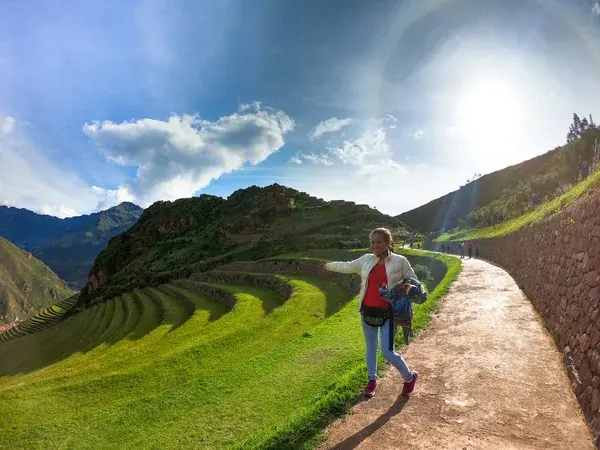
Traveling through Peru in March offers many advantages; it provides a different experience, with fewer tourists and lush green landscapes as the rains bring life to the plants. It offers the opportunity to experience festivities and traditions unique to the Peruvian people, immersed in nature, history, and local customs. From the majesty of Machu Picchu and the Sacred Valley, through Peru, to the Amazon rainforest and the southern coast, there's a lot to accomplish in a single trip during March.
March in Peru allows you to experience festivals like Holy Week in Cusco and Ayacucho, the Grape Harvest Festival and the Lord of Luren in the Ica region, as well as lesser-known celebrations that allow you to delve into the country's rich culture. With planning, appropriate clothing, and a little flexibility, anyone can make the most of this month, knowing they're visiting a diverse country with a wide range of options to enjoy Peru safely and, ultimately, to experience Peru in a different way.

Hi, I'm Kevin, a Peruvian who loves Andean cultures and is proud of my country. On this blog, I share useful and reliable information so you can discover Peru's history, nature, and authentic traditions.
Leave a comment