Av Retamayoc L-10, San Sebastián 08002
- +51 940 809 144
- Travel Blog
- About Us
- Contact Us
Secure your spot on the Inca Trail 2026. Journey beyond the ordinary Secure your spot today
Av Retamayoc L-10, San Sebastián 08002
Chat to a Andean Road Peru
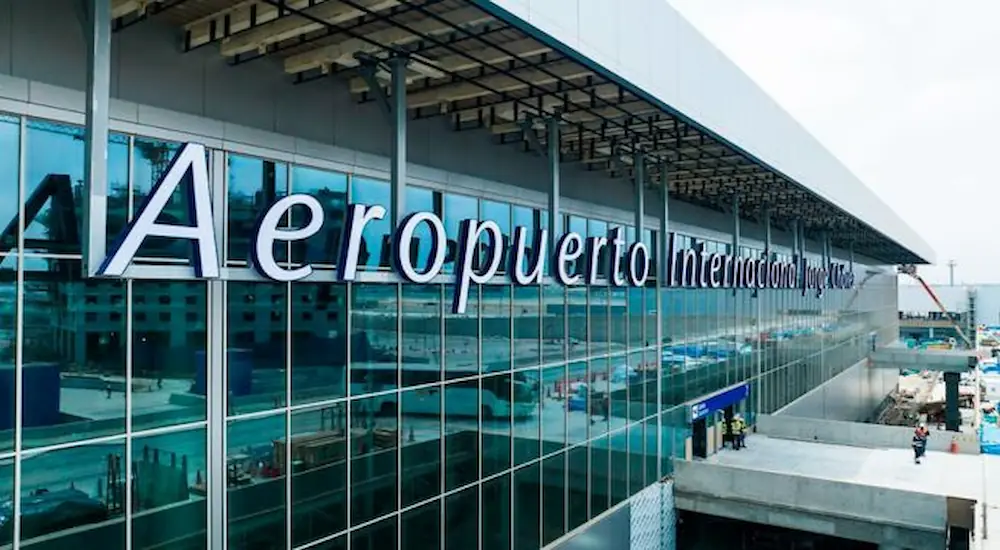
Peru has become an increasingly connected destination, welcoming travelers from around the world through its expanding air network. The international airports in Peru play a key role in this growth, serving as main gateways to vibrant cities like Lima, historic Cusco, and the unique Amazonian hub of Iquitos.
These airports not only connect Peru with major global destinations, but also make travel within the country more accessible and efficient across its diverse regions, from the coast to the Andes and the Amazon. In this article, you will discover the main international airports in Peru, their key features, and their role in supporting tourism and business.
You may also like: Qhapaq Ñan: the great road network of the Inca Empire
Peru has several international airports strategically located across its main regions, making it easier for travelers to access both major destinations and more remote areas. These airports serve as key entry points and connect the country with important global routes.
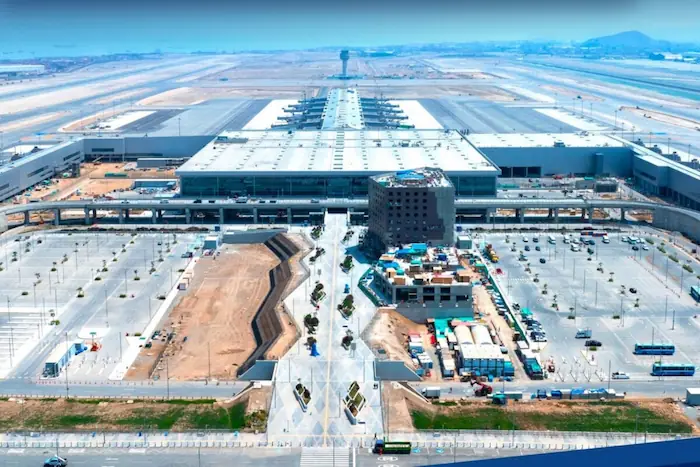
Located in Callao, just minutes from downtown Lima, Jorge Chávez International Airport is the main air hub of Peru and the busiest in the country. It handles the majority of international traffic, offering direct connections to North America, South America, and Europe. The airport features modern facilities, ongoing expansion projects, and a wide range of services for international travelers.
Situated in the southeastern Andes at over 3,000 meters above sea level, this airport is the primary gateway to Machu Picchu. Due to its altitude and location within the city, operations are limited, but it remains one of the most important airports for tourism in Peru. There are ongoing plans to replace it with a new international airport in Chinchero.
Located about 8 km from downtown Arequipa, this airport serves southern Peru and provides access to attractions like the Colca Canyon. It operates domestic and some international flights, mainly within South America, and supports both tourism and regional business travel.
Positioned in the highlands near Lake Titicaca, this airport is located around 45 minutes from the city of Puno. It plays a key role in connecting travelers to one of Peru’s most iconic natural attractions and offers domestic and limited international connectivity.
Located in northern Peru, this airport serves as a gateway to popular beach destinations like Máncora and Vichayito. It supports domestic routes and some international charter or seasonal flights, contributing to the growth of tourism in the region.
Situated near the coast, about 10 km from Trujillo’s city center, this airport connects travelers to important archaeological sites such as Chan Chan and Huacas del Sol y la Luna. It handles domestic and limited international operations.
Located in the Amazon region, this airport is the main gateway to Iquitos, a city inaccessible by road. It plays a crucial role in connecting the Peruvian Amazon with the rest of the country and offers some international routes, mainly within South America, as well as strong domestic connectivity.
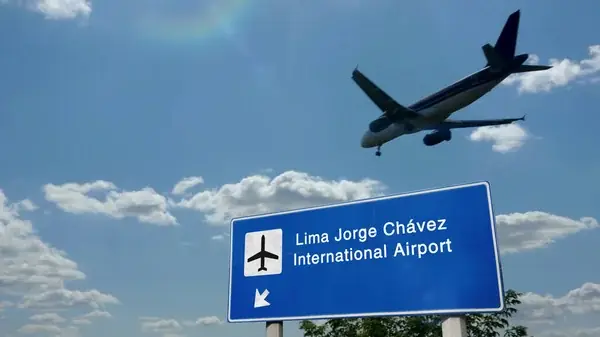
The main international airport in Peru is Jorge Chávez International Airport, located in Lima. It is the busiest and most important air hub in the country, handling the majority of international passenger traffic and serving as the primary gateway for travelers arriving from abroad.
Thanks to its strategic location and extensive flight network, the airport connects Peru with major cities across the Americas and Europe, while also functioning as the main hub for domestic routes. Its ongoing expansion and modernization projects continue to strengthen its position as the central pillar of air transportation in Peru.
Peru is well connected to the world through a wide network of international flights, with most routes operating from Lima, the country’s main aviation hub. From here, travelers can access direct connections to major cities across the Americas and Europe, supported by both full-service and low-cost airlines.
One of the largest airline groups in Latin America, operating flights to around 145 destinations in 27 countries. It uses Lima as a major hub, offering extensive connections within South America as well as routes to the United States and Europe. It provides different travel classes, including economy, premium economy, and business class, with prices typically ranging from $150 to $900+ USD depending on the route, season, and booking time.
A global carrier with a network of over 300 destinations worldwide. It operates direct flights between Lima and major U.S. cities such as Miami and Dallas, making it a key option for travelers heading to North America. The airline offers a full-service experience with multiple cabin classes, and fares usually range from $400 to $1,200+ USD.
Serving more than 300 destinations globally, Delta connects Peru with key hubs like Atlanta. It is known for its onboard service, reliability, and modern fleet. Travelers can choose from economy to premium cabins, with ticket prices generally ranging from $450 to $1,300+ USD.
With routes to over 300 destinations in more than 60 countries, United offers strong connectivity via hubs such as Houston and Newark. It is a popular choice for both business and leisure travelers flying between Peru and North America. Prices typically range from $400 to $1,200+ USD, depending on demand and travel class.
A major Latin American airline connecting Peru through hubs like Bogotá. It offers efficient connections across Central and South America, as well as to some destinations in North America. Avianca is known for competitive pricing and frequent regional flights, with fares usually between $200 and $700 USD.
Operating to over 80 destinations across the Americas, Copa Airlines uses Panama City as its main hub, providing seamless connections with short layovers. It is especially popular for travel within Latin America. Prices generally range from $250 to $800 USD, with a reliable and consistent service offering.
A low-cost airline focused on South America, offering direct routes between Peru, Chile, and other nearby countries. It is a popular option for budget travelers, with base fares typically ranging from $80 to $400 USD. Additional services such as baggage and seat selection are charged separately.
A fast-growing ultra low-cost carrier operating in several South American countries. It offers very competitive base fares, often starting from $50 USD, with final prices reaching up to $300 USD depending on extras. It is ideal for short international trips within the region.
Spain’s flagship airline, connecting Lima with Madrid and providing access to over 120 destinations in Europe and beyond. It is a key option for transatlantic travel, offering a full-service experience with multiple cabin classes. Long-haul fares usually range from $700 to $1,500+ USD.
Another important airline linking Peru with Spain, operating direct flights between Lima and Madrid. It offers competitive pricing on transatlantic routes and serves as an alternative to other European carriers. Prices typically range from $650 to $1,400+ USD depending on the season and availability.
These airlines provide a strong mix of global and regional connectivity, allowing travelers to reach Peru from virtually anywhere while offering flexible options based on budget, comfort, and travel preferences.
You may also like: Visit Peru in the winter for a unique and peaceful journey

International travelers arriving in Peru, mainly through Lima, must meet certain entry requirements depending on their nationality and purpose of travel. While policies may vary, most visitors can enter the country for tourism without major complications if they comply with the following:
It is always recommended to verify the latest requirements before traveling, as immigration and health regulations may change depending on international policies.
International airports in Peru, especially in Lima, offer a wide range of facilities and services designed to ensure a comfortable and efficient travel experience. From modern terminals to upgraded infrastructure, these airports are equipped to handle both international and domestic passengers with ease.
Travelers can expect services such as restaurants, duty-free shops, currency exchange, ATMs, and free Wi-Fi in most major airports. In addition, many terminals provide VIP lounges, baggage services, medical assistance, and transportation options including taxis and airport shuttles. Some airports also feature business centers and family-friendly areas, making them suitable for both leisure and business travelers.
Traveling between international and domestic airports in Peru is generally simple, as most major cities operate both types of flights from the same airport terminal or nearby facilities. In Lima, for example, international and domestic flights depart from the same airport, making connections more convenient for travelers.
To move between terminals or continue your journey within the country, you can use airport transfer services, authorized taxis, ride-hailing apps, or hotel shuttles. It is recommended to allow enough connection time, especially when passing through immigration and security checks. For domestic connections to destinations like Cusco or Arequipa, booking flights in advance and confirming terminal information can help ensure a smooth travel experience.
Arriving at international airports in Peru, especially in Lima, can be a smooth experience if you are well prepared. Knowing what to expect upon arrival will help you save time and avoid common inconveniences.
Following these simple tips will help ensure a safe, efficient, and stress-free arrival in Peru.
You may also like: Peruvian wedding traditions: a complete guide
Peru is actively investing in the expansion and modernization of its airport infrastructure to meet growing demand for both tourism and business travel. The most significant developments are taking place in Lima, where Jorge Chávez International Airport is undergoing a major expansion that includes a new terminal, an additional runway, and improved passenger capacity.
Beyond Lima, other regions are also seeing important projects. In Cusco, the construction of the new Chinchero International Airport aims to replace the current airport and enhance access to Machu Picchu. Additional upgrades and modernization efforts are being implemented in cities like Arequipa and Piura, strengthening regional connectivity. These developments position Peru as a more competitive and accessible destination in the global aviation network.

Hi, I'm Kevin, a Peruvian who loves Andean cultures and is proud of my country. On this blog, I share useful and reliable information so you can discover Peru's history, nature, and authentic traditions.
Leave a comment