Av Retamayoc L-10, San Sebastián 08002
- +51 940 809 144
- Travel Blog
- About Us
- Contact Us
Secure your spot on the Inca Trail 2026. Journey beyond the ordinary Secure your spot today
Av Retamayoc L-10, San Sebastián 08002
Chat to a Andean Road Peru
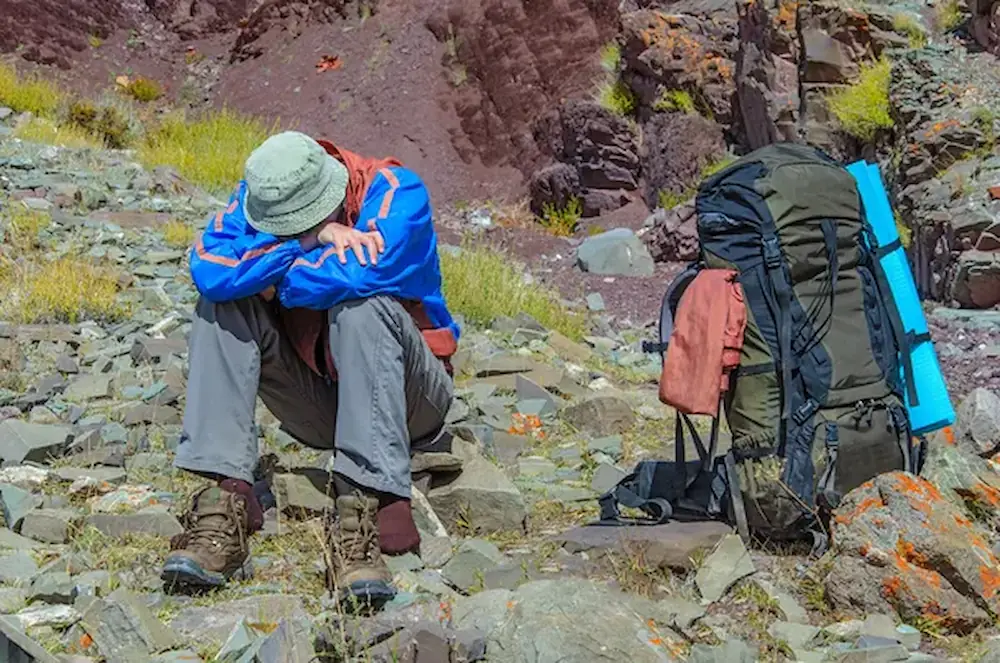
Traveling to high-altitude destinations like Cusco or Machu Picchu is a fantastic experience, provided you, and your body, are free from any surprises, including the adrenaline rush that comes with altitude sickness. Altitude sickness is a common condition affecting many travelers at higher altitudes, especially when there's no time to adjust to the change in altitude.
So, knowing what it is, why it happens, and how to identify its early signs makes all the difference between an unforgettable adventure and one that's a bit of a struggle. This guide describes what altitude sickness is, its causes, the most frequent symptoms, and how to prevent it so you can enjoy your adventure. May the only thing that takes your breath away be the scenery, not the altitude.
Altitude sickness, commonly known as altitude sickness or soroche, is the body's way of reacting to rapid ascents to high altitudes. Above 2,500 meters above sea level, the amount of oxygen in the air decreases, and organ function is affected, causing symptoms such as headaches, fatigue, dizziness, and nausea.
This is because the body needs a period of adaptation to the reduced oxygen supply. As a reaction, there is an increase in respiratory and heart rate, and the body redistributes blood flow. In cases of insufficient acclimatization, these mechanisms are unable to compensate for the lack of oxygen, and altitude sickness develops, affecting the traveler's sense of well-being and physical capacity.
You may also like: Christmas in Peru: Magic you can feel
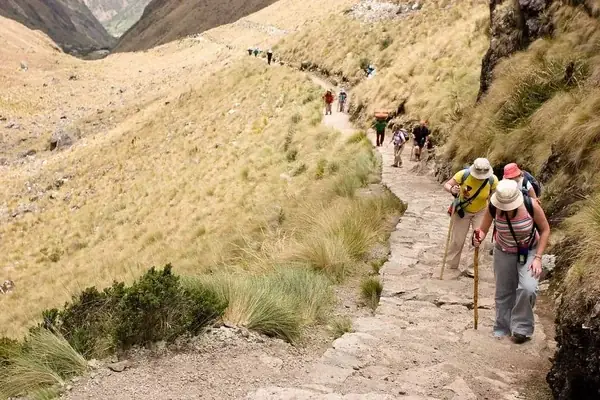
Altitude sickness doesn't affect everyone equally, and its onset depends on several factors. Among the most common causes are:
These factors mean that even if two people ascend to the same place, one may experience altitude sickness while the other does not, depending on how their bodies adapt to the reduced oxygen availability. Taking precautions and acclimatizing properly helps to significantly reduce the risk.
Altitude sickness typically begins to occur at around 2,500 meters above sea level, although some people may experience symptoms a little earlier, especially if they ascend rapidly. Above this altitude, atmospheric pressure decreases, and consequently, so does the amount of oxygen in the air. This forces the body to work harder to maintain adequate oxygen flow to the tissues.
Thus, the risk of altitude sickness increases considerably beyond this point. Symptoms are typical between 3,000 and 3,500 meters, and above 4,000 meters, anyone can experience some degree of altitude sickness if they haven't acclimatized properly. Therefore, it is crucial to ascend gradually and allow the body to adapt, especially in high-altitude tourist destinations.
Altitude sickness can present itself at different levels of intensity, and it's important to recognize them in order to act in time. The three main stages are:
These stages can progress rapidly if precautions are not taken. While mild symptoms usually improve with rest, hydration, and acclimatization, moderate and severe stages require immediate attention and, in many cases, an urgent descent to a lower altitude. Recognizing each level is key to staying safe at high altitudes.
The symptoms of altitude sickness usually appear within the first few hours after arriving at a high altitude. The most common include:
If these symptoms are left untreated, they can progress to more serious signs such as:
Recognizing these signs early is key to taking prompt action, resting, staying hydrated, and allowing the body to acclimatize safely to the altitude.
Altitude sickness typically appears between 6 and 12 hours after arriving at a high altitude; in some people, it can even appear sooner if the ascent was rapid. The timing of symptom onset depends on the altitude reached, the rate of ascent, and the traveler's physical condition. It's common for the first symptoms to appear during the first night at a high-altitude destination.
As for the duration of altitude sickness symptoms, they can last from 24 to 72 hours, provided the traveler maintains their pace and altitude and follows basic recommendations regarding rest and hydration. Generally, the discomfort decreases as the body adapts. However, if more severe symptoms develop or discomfort doesn't improve after 48 hours, then a gradual descent to a lower altitude is recommended to avoid complications.
You may also like: Experience a Magical New Year in Peru

Preventing altitude sickness is possible if you take certain precautions before and during your trip. These are the most effective tips:
Drinking water regularly helps your body adapt better to the lower oxygen levels at higher altitudes. Dehydration intensifies symptoms like headaches, fatigue, and nausea, so it's key to always carry a water bottle and take small sips throughout the day. Avoid excessive caffeine or alcohol, as these accelerate dehydration.
The best way to avoid altitude sickness is to allow your body to adjust gradually. If possible, ascend in stages and spend at least one night at an intermediate point before reaching altitudes above 2,500–3,000 m. This slower pace reduces physiological stress and decreases the likelihood of severe symptoms.
Heavy meals increase the workload on your digestive system, which is already strained by the lack of oxygen. Opt for moderate portions, light foods rich in carbohydrates, which provide quick energy without overloading your body. This helps keep you active and stable while you acclimatize.
Sleeping well is essential for altitude adaptation. During sleep, your body regulates its functions and improves its response to the reduced oxygen. Try to sleep longer than usual during the first few days, avoid strenuous activity in the afternoon, and maintain a calm bedtime routine to promote restful sleep.
In some cases, especially if you know you are prone to altitude sickness or if you will be ascending quickly, a doctor may recommend medications such as acetazolamide. This helps accelerate acclimatization and significantly reduces the occurrence of symptoms. It should always be taken under professional guidance and well in advance of the ascent.
If you start experiencing symptoms of altitude sickness, it's crucial to act quickly to prevent the condition from worsening. While many discomforts can be resolved with simple measures, ignoring them can lead to more serious complications. Follow these steps to find relief and recover safely:
A trip to Peru offers travelers the chance to discover some of the world's most breathtaking tourist destinations, many of them at high altitudes. Cities like Cusco, Puno, and Huaraz are located at over 3,000 meters above sea level. Therefore, altitude sickness can affect any traveler, regardless of age or fitness level. Understanding how it works, what it feels like, and how to prevent it will allow you to enjoy your trip without surprises.
In Peru, altitude sickness often appears in the first few hours or days after arriving in the Andean regions. The key is to be prepared: allow time for acclimatization, stay hydrated, avoid strenuous activity on your first day, and always pay attention to your body's signals. With the right information and a few simple precautions, you can experience mountains, lakes, urban treks, or historic cities without letting the altitude ruin your adventure.
To alleviate the symptoms of altitude sickness, coca leaves are commonly used in the Andes, one of the most traditional and widely used remedies in the region. Consumed for centuries by Andean communities, coca leaves contain natural alkaloids that help improve oxygenation and reduce associated discomforts such as headaches, fatigue, and nausea. They are commonly used in chewed form or as an infusion, as coca leaves are a central element of the local culture and one of the first recommendations locals give to travelers.
Regarding their effectiveness, many visitors experience rapid improvement and a general sense of well-being, especially when combined with good hydration and rest. While they do not replace acclimatization and are not a valid solution for severe cases, they help alleviate the symptoms of those who experience mild cases. It is also worth remembering that, unlike other therapies where higher doses produce more intense effects, it is best to take them in moderation and, above all, consult a doctor if you have any doubts or if you have any pre-existing medical conditions.
You may also like: Inca Calendar Solar: the astronomical wisdom of the inca empire
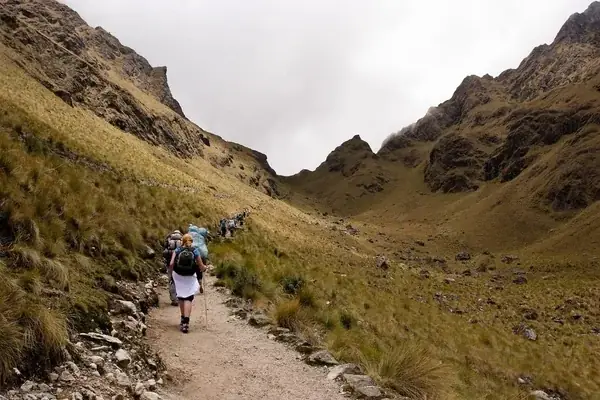
Do not let altitude sickness disrupt your journey. It is easy to have a great time in high places if you have accurate information, plan well, and take preventive action. Monitor yourself for signs of altitude sickness, acclimatize yourself slowly to the change in elevation and make decisions based upon how your body feels. All of these factors will help make your visit to the mountains, lakes or cities in the Andes enjoyable and worry-free. It's important to consider the response of each individual traveler to altitude sickness as there is significant variation in severity of symptoms.
With the right precautions, you should have no reservations about visiting these types of areas. Prepare yourself by being aware of how your body feels and take advantage of every opportunity you have to enjoy these types of activities.

Hi, I'm Kevin, a Peruvian who loves Andean cultures and is proud of my country. On this blog, I share useful and reliable information so you can discover Peru's history, nature, and authentic traditions.
Leave a comment