Chat to a Andean Road Peru

Discovering Peru in February offers a unique experience: the country is in the midst of its rainy season in some regions, but at the same time, it's an ideal time to enjoy lush green landscapes, cultural festivals, and fewer potential tourists at popular tourist destinations. From the azure skies of Cusco to the exuberant and vibrant Amazon rainforest, February offers endless possibilities, allowing you to discover Peru in an authentic, unique, and peaceful way. This guide will help you plan your trip, offering advice on different climates, recommended activities, festivals you might want to attend, and must-see tourist attractions as you embark on your Peruvian adventure.
If you're looking for an authentic cultural experience (like local carnivals, lush green landscapes, and fewer tourists), February can be a great month to visit Peru. Although it's the rainy season in the jungle and highlands, the rains are usually intermittent, allowing you to enjoy excursions, beaches, and cities without the crowds, and with cheaper accommodation and transportation options.
You may also like: Carnivals in Peru 2026: the most colorful celebrations

February is a great time to visit Machu Picchu, as the area boasts lush greenery and vibrant wildlife, and there are fewer tourists. However, rain is fairly common in February, and the Inca Trail is closed. With a raincoat, appropriate footwear, and well-planned morning excursions, you can enjoy the archaeological site at your leisure and take in spectacular views, where the mist creates a magical effect on the ruins.
Peru is a diverse country with different climates depending on the region, so knowing the weather conditions is important to enjoy your trip.
On the coast, encompassing Lima, Paracas, and Mancora, February is usually warm and humid, with average temperatures of 25°C to 30°C. It's an ideal month to enjoy the beaches, water sports, and excursions to coastal destinations like the Ballestas Islands and the Paracas National Reserve. The breeze from the Pacific Ocean makes the days pleasant for walking on the beach or enjoying activities like surfing and kitesurfing.
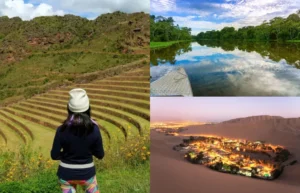
In the highlands, which include Cusco, Arequipa, Puno, and Huaraz, February is the rainy season. Roads can become slippery, and some trekking routes, such as the Inca Trail, may be temporarily closed. But the scenery is spectacular: verdant mountains, frothy rivers, and fewer tourists than during peak season. Furthermore, the cultivated fields are a deep green, which is why they look perfect for photography.
The Peruvian Amazon, including Iquitos and Puerto Maldonado, receives frequent rains in February, but this doesn't prevent wildlife viewing, boat trips, or visits to lodges. The vegetation is at its peak, and the navigable rivers allow exploration of areas that would be inaccessible in the summer. The rainforest comes alive with birds, monkeys, and reptiles that become more active during the rainy season.
Packing the right luggage is key to enjoying your trip without any problems. In February, the weather can be unpredictable, so it's important to bring clothing and accessories that allow you to adapt to different conditions, from rain in the mountains to heat on the coast.
You may also like: Altitude Sickness: What it is, causes, symptoms and how to prevent it
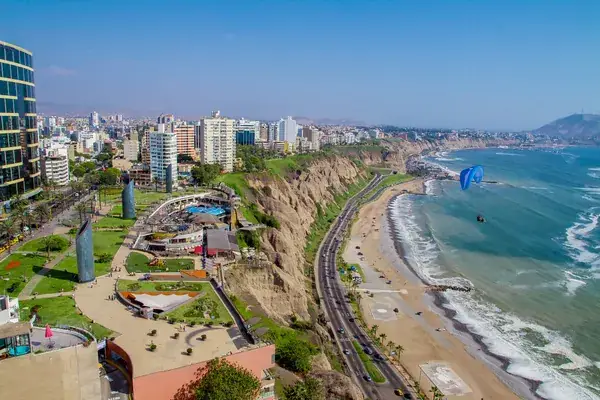
Peru offers a variety of destinations, each with its own unique charm in February. From the capital city with its distinctive cuisine and culture to the Andes and the Amazon rainforest, each marked by its natural beauty, knowing the best destinations will help you plan a well-rounded itinerary and create lasting memories.
The country's capital city is a destination that combines history, culture, and gastronomy in one place. You can explore the historic center, the Miraflores boardwalk, and savor renowned Peruvian cuisine in restaurants considered among the best in the world. And be sure not to miss trying ceviche, anticuchos, or lomo saltado at the local markets. Although February is a humid month, depending on your arrival time, there are days when you can enjoy pleasant strolls through the city.
Cusco is the gateway to Inca culture and the Sacred Valley. In February, the verdant landscapes and untamed rivers make the area truly spectacular. Although the Inca Trail may be closed, alternative routes such as Vinicunca Mountain or excursions to Ollantaytambo and Pisac are perfect. Furthermore, it's an excellent opportunity to interact with local communities and learn about their customs.
Traveling to Machu Picchu in February offers a great advantage: fewer visitors and landscapes teeming with life. While there may be occasional showers, the misty atmosphere adds a magical touch to the ruins. Bring a waterproof jacket and non-slip shoes. It's highly recommended to include hikes to Huayna Picchu or Machu Picchu Mountain in your itinerary.
Arequipa, the "White City," is a perfect place to combine history, architecture, and natural landscapes. The entrance to the Colca Canyon offers the opportunity to observe condors (a type of bird) and enjoy spectacular views. In February, the trails may be wet, while the vegetation is at its most vibrant, making the landscapes even more beautiful.
The Peruvian rainforest in February offers an explosive display of vitality and life. The rivers reach their highest levels, making it easier to enjoy boat trips and wildlife viewing. This time of year is a great opportunity to explore eco-lodges, take night hikes, and visit indigenous communities, all for an authentic cultural experience.
February is a month brimming with music, color, and traditions in Peru. Popular celebrations allow travelers to immerse themselves in the country's culture and experience something different from what's offered by typical tourist itineraries. Below, we tell you about the main festivals you can experience this month:
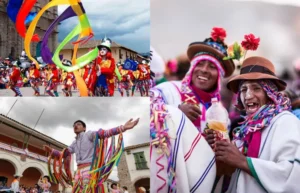
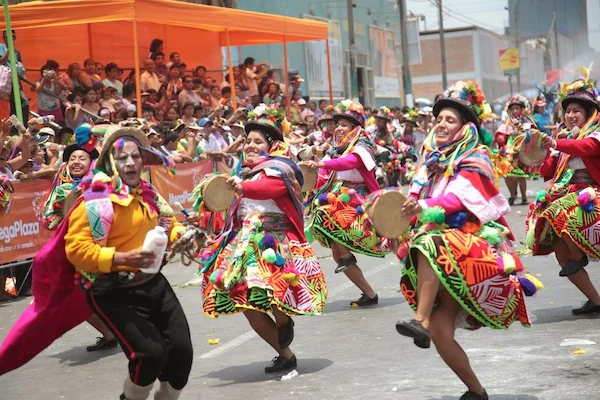
Carnival celebrations in Peru are enthusiastically observed in various regions of the country, but especially in Puno, Cajamarca, and Ayacucho. Carnival festivities include parades, traditional dances, folk music, and games involving water, paint, or talcum powder, in which everyone (locals and tourists alike!) participates. The Puno carnival is enhanced by traditional dances like La Diablada and La Morenada, while Cajamarca is known for its float competitions and the famous "water fights" in the main squares. This offers a unique opportunity to connect with the local community and enjoy the festive, joyful, and colorful atmosphere.
Religious festivals take place in many towns and villages in the highlands and rainforest during February, as part of the ceremonies and rites leading up to Holy Week. These include masses in churches and public squares, with traditional Catholic ceremonies combined with Andean rituals such as offerings to Pachamama (Mother Earth), ritual dances, and more. In cities like Cusco and Ayacucho, visitors can observe special masses, processions of saints, and community activities. Through the explanations of local guides, they can learn about the spirituality and ancestral customs of the Andean peoples.
Major cities like Lima, Arequipa, and Trujillo also host a variety of cultural events, such as concerts of traditional and contemporary music, craft fairs, and art exhibitions. You can also experience gastronomic festivals, where you can sample the region's typical cuisine, which varies with the season, from fresh ceviches to desserts made with tropical fruits. All of this makes for an excellent way to discover Peru's rich cultural and culinary heritage in a setting of recreational and educational activities.
You may also like: Inca Calendar Solar: the astronomical wisdom of the inca empire

Peru in February offers activities for all tastes, from extreme adventures to cultural and nature experiences. Planning according to your interests will allow you to make the most of your trip.
Traveling through Peru requires planning your transportation and accommodations, especially in February, when some routes can be affected by rain. This section will help you choose the best options for your destinations.
Keeping a few practical tips in mind will help you make the most of your trip and enjoy the country's diversity without any problems.
Knowing the advantages of traveling this month will help you decide if February is the best time for your trip and plan activities that make the most of this season.
While traveling in February has many advantages, it's essential to be prepared for some challenges. Knowing them will allow you to better plan your itinerary and enjoy the experience without surprises.
You may also like: 10 Best museums in Cusco to visit
Visiting Peru in February is a unique experience; a combination of lush nature, vibrant culture, and authentic adventures. From the coastal beaches to the Andes and the rainforest, every corner of the country is enchanting during the middle of the month. Following this guide, you'll be ready to enjoy your trip, experience the local festivities, discover extraordinary landscapes, and feel Peru in its truest sense, even during the rainy season. With good planning, caution, and a spark of curiosity, February can be the perfect month to fully immerse yourself in the diversity, beauty, and unique adventures of this country and create memories that will last a lifetime.

Hi, I'm Kevin, a Peruvian who loves Andean cultures and is proud of my country. On this blog, I share useful and reliable information so you can discover Peru's history, nature, and authentic traditions.
Leave a comment