



Peru Travel Destinations
Peru travel destinations bring together breathtaking mountains, lush rainforests, and historic cities in one remarkable country. From ancient Inca sites to world-class cuisine, every experience feels vibrant and unforgettable. Whether you crave adventure, culture, or relaxation, Peru offers moments that stay with you long after your trip. Start planning your journey today and feel why Peru is one of the world’s most captivating destinations.
Unforgettable moments across top Peru travel destinations
As you investigate Peru travel destinations, every moment becomes a special experience. Whether you are witnessing the magnificence of ancient civilizations, walking through the scenery that takes you back in time, or experiencing life with local people, you will always feel something different. It is never just about traveling through Peru, but a more elevated experience of feeling Peru: allowing the colors, the energy, and the history to become a permanent undertaking of your adventure. This is where the adventure unfolds to awaken your senses.
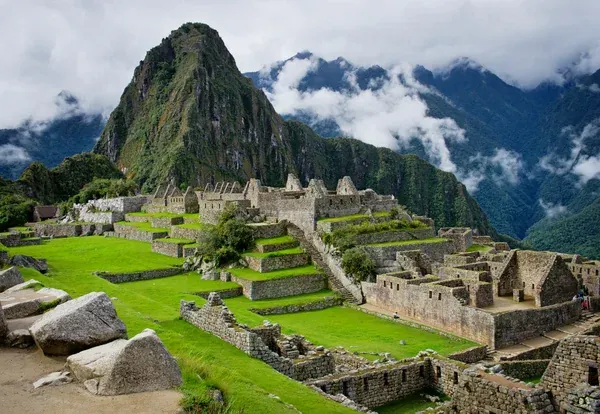
Find the best tours and packages to explore destinations in Peru
Now is the moment to pick the experience that is to become your next great memory. You will find organized, curated tours so you can discover Peru destinations with the best guide, the best route, and the best vibes. Just click on the tour that speaks to you the most and begin living your trip now!

Best time of year to visit Peru top destinations
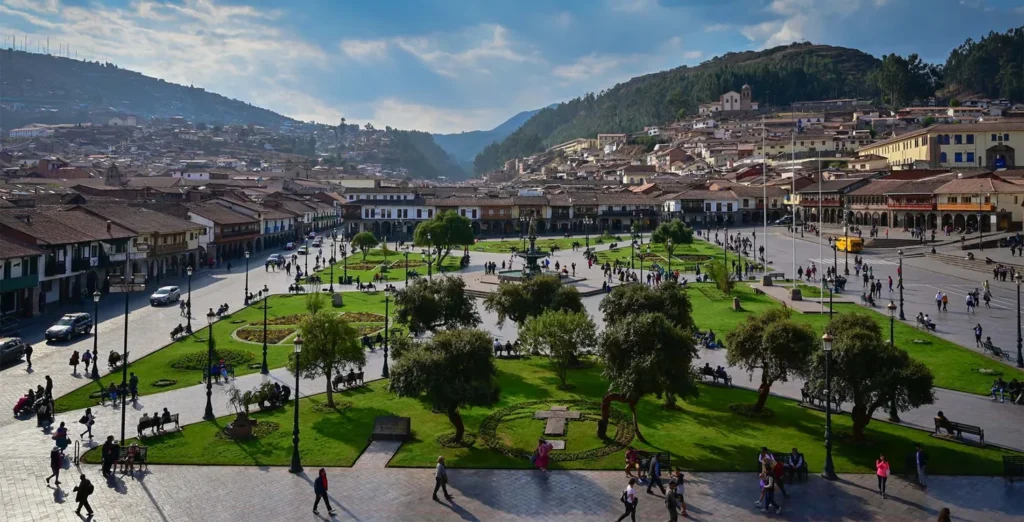
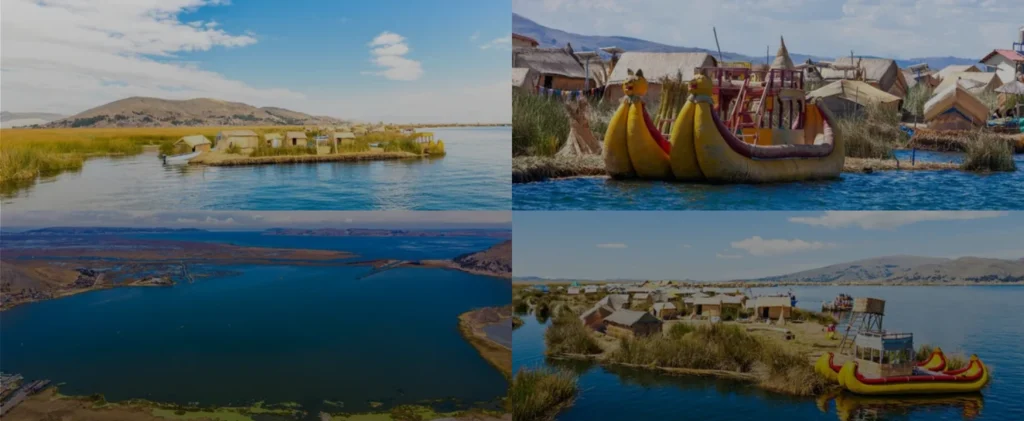
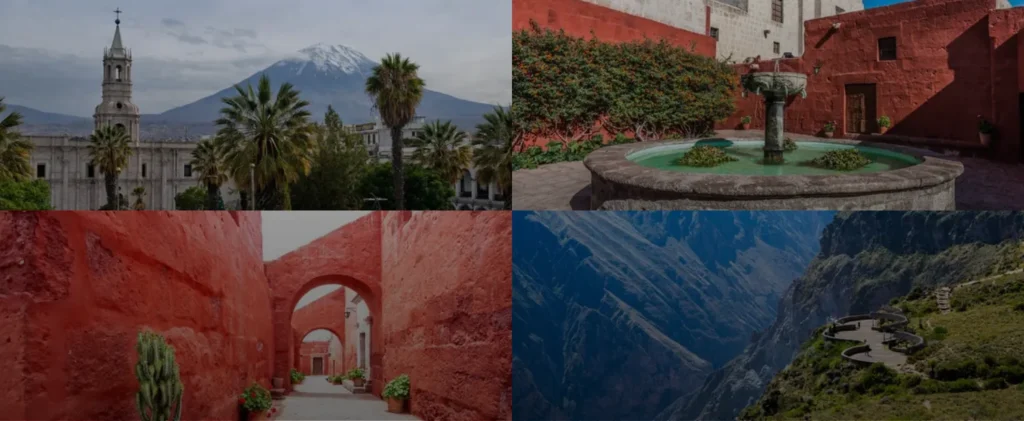
The most favorable time to go to the most popular tourist destinations in Peru will usually be between the months of May and September. The weather is generally dry and there's less chance for clouds. Traveling to these destinations is easier during this season. This time of year is great for visiting places such as Cusco and Machu Picchu, the Sacred Valley, and Arequipa or Puno, and you won't be fiercely battling the rain. Each area is special in its own way depending on the season, and experiencing it during the best time can create an even more special trip.
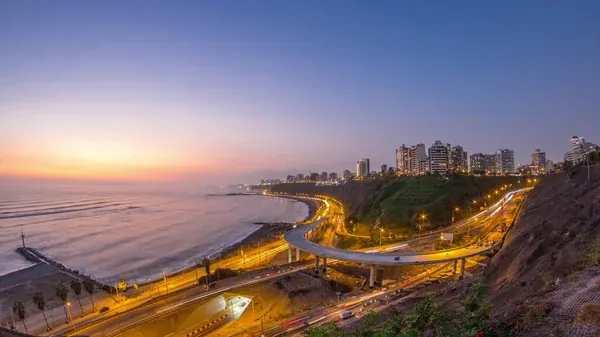
Climate by region in Peru: what to expect in each destination
The weather in Peru varies greatly depending on the region, so understanding these differences helps you travel prepared and avoid surprises.

The peruvian coast
The coast enjoys a predominantly dry and temperate climate. From December to March, you'll find warmer days, perfect for the beach. From May to October, the sky is usually cloudy, but temperatures remain pleasant. It's the region with the most stable climate year-round.
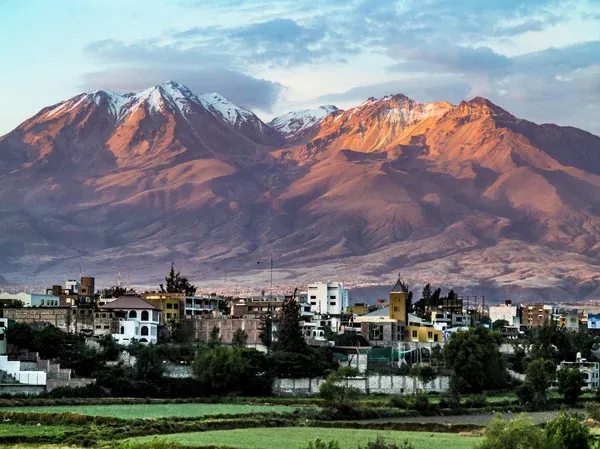
Peruvian highlands
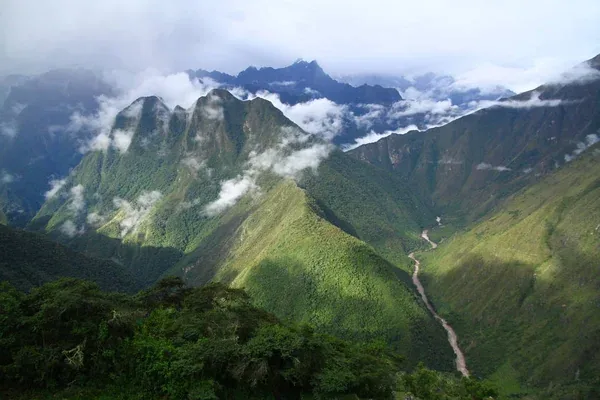
The peruvian highlands range has two very distinct seasons. The dry season, from May to September, offers sunny days, cool nights, and excellent conditions for trekking and archaeological visits. The rainy season runs from November to March, with more frequent rainfall and wet trails. Even so, mornings can be quite pleasant.
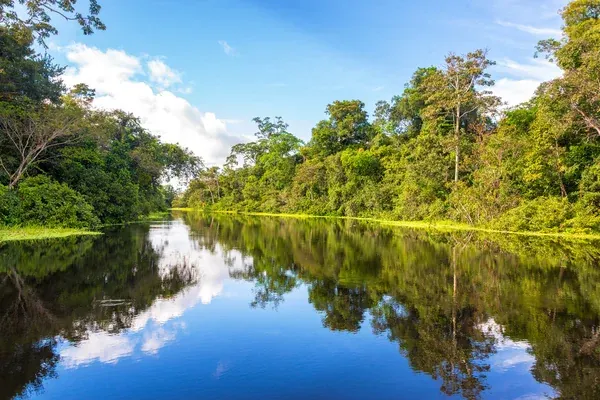
Amazon rainforest
The amazon rainforest a warm and humid climate year-round. Rainfall is heaviest between November and March, while from April to October humidity remains high but rainfall decreases. It's ideal for those seeking lush nature and active wildlife regardless of the season.
Regional cuisine: what dishes to try
Peruvian cuisine varies depending on the region you visit, with each area contributing its own unique and memorable flavors. Sampling typical dishes is a delicious way to connect with the local culture and enjoy your trip from a different perspective. Here are some of the most representative dishes from each region.
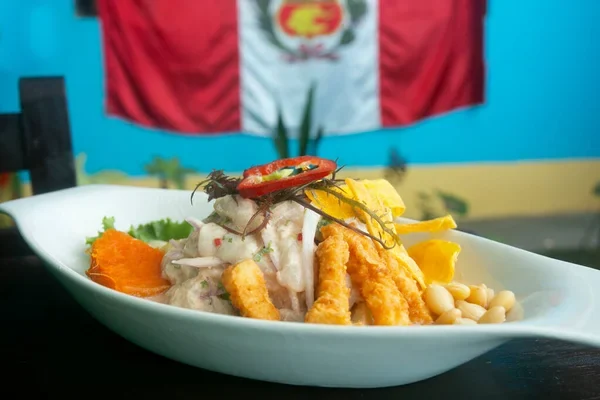
The food peruvian coast
On the coast, the flavors are fresh and seafood-driven. Highlights include ceviche, tiradito, seafood rice, fish stew, and the famous anticuchos, perfect for a relaxed evening. It's the ideal region for those who enjoy citrus dishes and light seafood fare.
The food peruvian highlands
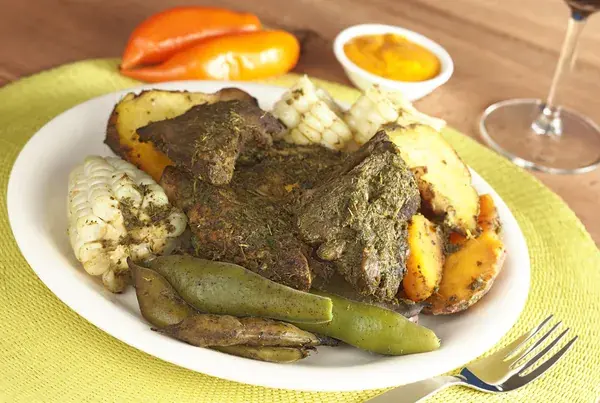
In the highlands, the dishes are more hearty, perfect for the cold climate and long hikes. Try the baked guinea pig, pachamanca, Arequipa-style adobo, fried or grilled trout, and the traditional quinoa soup. The Andean ingredients give this cuisine a deep and comforting flavor.
The food peruvian amazon rainforest
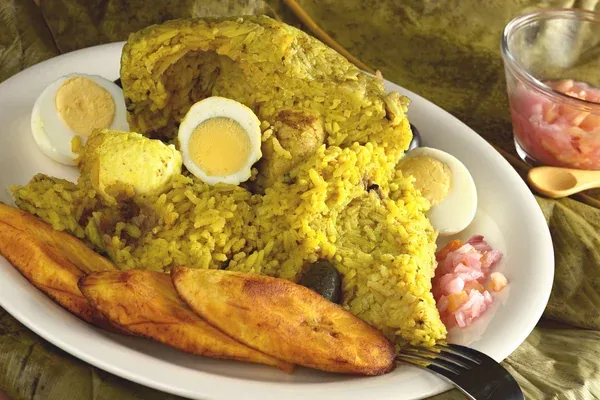
The rainforest surprises with tropical ingredients and traditional techniques. There, you absolutely must try juane, tacacho with cecina, patarashca, inchicapi, and drinks like aguaje or camu camu. It's a cuisine full of aromas, delicate flavors, and a smoky touch that makes it unique.
How to acclimatize when visiting high-altitude destinations in Peru
Traveling to areas like Cusco, Puno, or Huaraz might require a short adjustment period, but with a few simple habits, you can feel much better from day one. Here's how:
- Take it easy for the first 24–48 hours: Avoid strenuous activity as soon as you arrive.
- Stay hydrated: Water helps your body adapt more quickly.
- Pack light: Prioritize soups, fruits, and easily digestible foods.
- Avoid alcohol and heavy meals at first: They can intensify discomfort.
- Get a good night's sleep before your trip: Arriving rested makes a difference.
- Try local herbal teas: Coca tea or Andean herbs can help relieve mild symptoms.
- Ascend gradually if possible: Sleeping at a lower altitude and ascending during the day can facilitate acclimatization.
Requirements and documentation for traveling to destinations in Peru
Before embarking on your journey through Peru's most popular destinations, it's crucial to ensure you have everything in order. This not only facilitates your entry into the country but also makes your trip smoother and prevents setbacks during your travels within Peru. Whether you're coming for adventure, culture, or nature, having the right documents will allow you to enjoy every stage with complete peace of mind.
Requeriments
Before your arrival, there are certain basic requirements that most travelers must meet to enter without problems. These points are essential to ensure a quick and safe entry into the country.
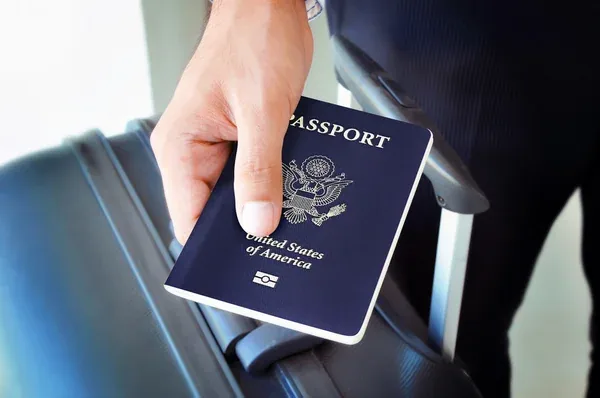
- Valid passport: Most travelers must present a valid passport with a minimum recommended validity of 6 months.
- National ID (South America only): Citizens of countries such as Chile, Argentina, Brazil, Colombia, and Ecuador can enter with just their National Identity Document (DNI).
- Andean Migration Card (TAM): Currently completed digitally upon arrival in the country.
- Visa (only for some countries): Check if your nationality requires a tourist visa before traveling.
- Vaccinations: Not mandatory, but the yellow fever vaccine is recommended if you will be visiting jungle areas.
Documentation
In addition to the required documents, there are certain items that can make your trip safer and more organized. They aren't always requested, but having them on hand can save you from several problems during your journey.
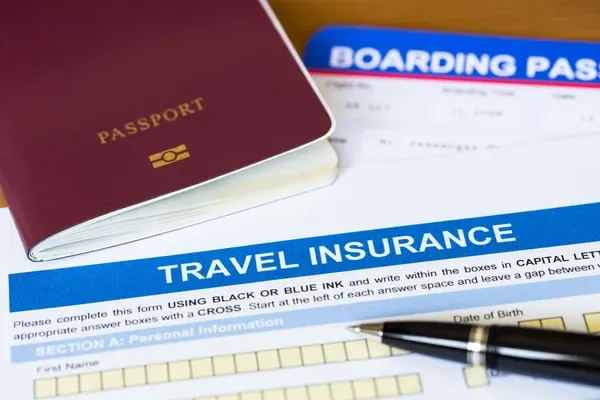
- Travel insurance: Ideal for medical emergencies, cancellations, or lost luggage.
- Digital copies of your documents: Saving them to your email or cloud storage helps in case of any unforeseen circumstances.
- Booking confirmations: Accommodation, tours, or domestic flights may occasionally be requested.
- Secure payment methods: Card and some cash for areas without POS terminals.
Frequently asked questions to help you plan your trip to destinations in Peru
Before traveling, questions always arise about weather, transportation, safety, or costs. To help you plan stress-free, we've compiled the most common questions travelers ask and clear answers to guide you step by step. This way, you can plan your route with greater confidence and enjoy each destination more.
1. How many days is recommended to visit the main destinations in Peru?
It depends on your itinerary, but for a balanced experience, many travelers spend between 7 and 12 days. With that time, you can visit Lima, Cusco, Machu Picchu, and an additional destination like Arequipa or Puno without feeling rushed
2. What vaccines or health precautions are recommended before traveling?
There are no mandatory vaccines for entering Peru, but if you plan to visit the jungle, the yellow fever vaccine is recommended. It's also useful to bring insect repellent, sunscreen, and a small first-aid kit.
3. How common is altitude sickness in travelers?
It's quite common in destinations above 3,000 meters above sea level. Some travelers experience only fatigue or a mild headache, while others feel nothing at all. Gradual acclimatization is usually sufficient for most.
4. What type of plug and voltage is used in Peru?
The standard voltage is 220V, and type A, B, and C plugs are used. If your country uses a different system, it's a good idea to bring an adapter.
5. Is it easy to travel between cities and tourist destinations?
Yes. Peru has interprovincial buses, domestic flights, tourist taxis, and private transfers. For longer routes, tourist buses and flights are the most comfortable options.
6. How do domestic flights work in Peru?
The country has several airlines and frequent routes between Lima, Cusco, Arequipa, Piura, and Iquitos. Prices vary depending on the season, so booking in advance is usually cheaper.